You have been Successfully Subscribed to Newsletter


Benefits of Millets: Why You Should Include Them in Your Diet
June 17, 2026 • 15 Min Read
The benefits of millets include superior blood sugar control, heart health, and weight management. These gluten-free grains offer complete proteins, high fibre, calcium, iron, and antioxidants. Types of millet include major varieties (sorghum, pearl millet) and minor ones (foxtail, barnyard). Proper soaking reduces antinutrients and enhances mineral absorption for optimal health benefits.
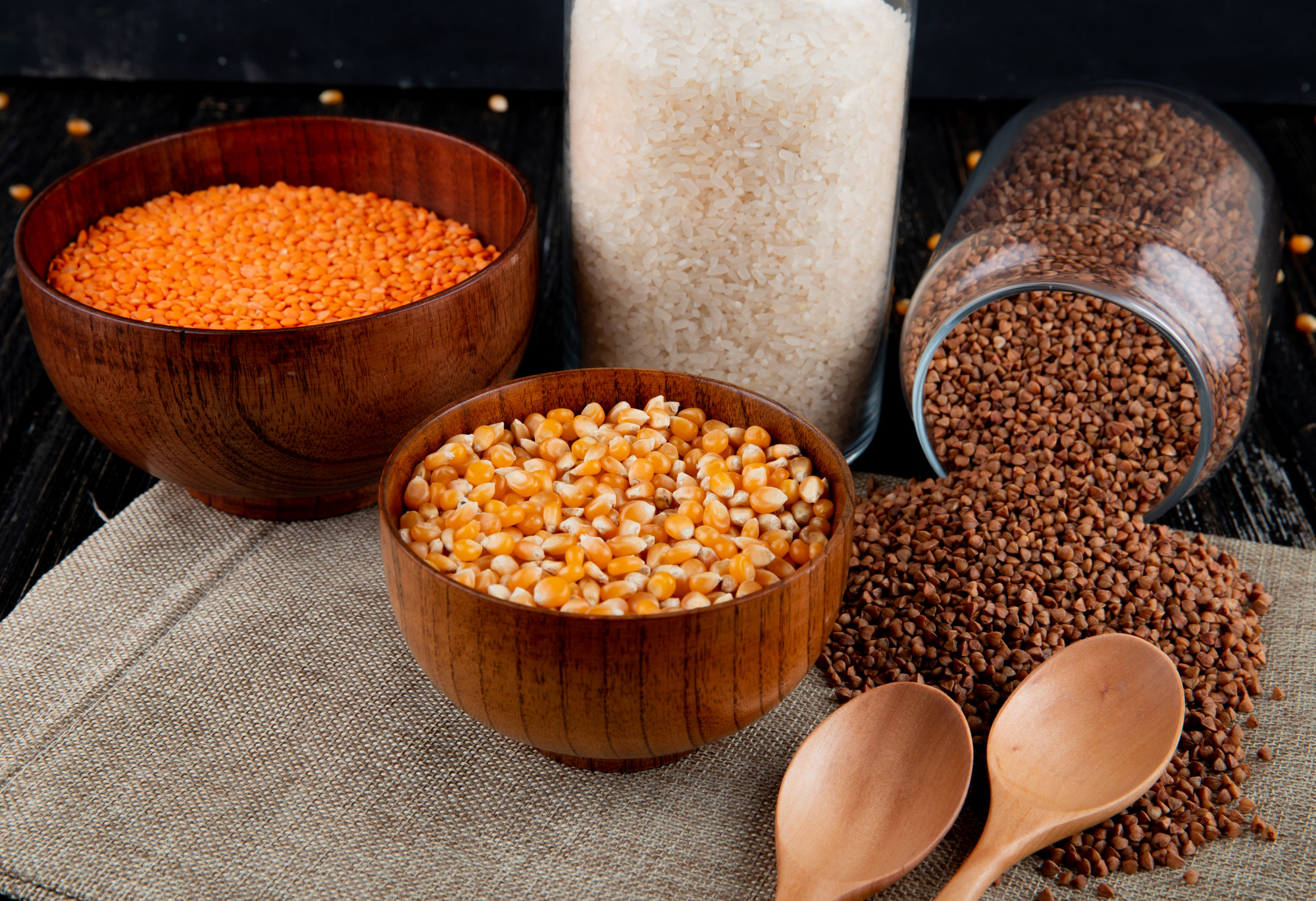
Ancient grains are making a powerful comeback, and millets lead this nutritional revolution. These small but mighty seeds have fed civilisations for over 6,000 years, yet many people still wonder what a millet is and why nutrition experts are raving about their health potential. Unlike trendy superfoods that disappear as quickly as they arrive, millets offer scientifically proven benefits that address modern health challenges.
This comprehensive guide reveals how these remarkable grains can transform your health and why millions of Indians are rediscovering their nutritional heritage.
What Are Millets?
Millets are small-seeded, gluten-free cereal grains that belong to the grass family Poaceae. While technically seeds rather than true grains, they cook and taste like traditional cereals. Understanding what a millet is starts with recognising these drought-resistant crops as nature's nutritional powerhouses that thrive in challenging conditions where rice and wheat struggle.
Types of Millets: Major and Minor Varieties
The classification of types of millet helps you choose the right variety for your nutritional needs. Major millets dominate global production, while minor varieties offer unique health benefits and culinary applications.
Major Millets:
- Sorghum (Jowar): Constitutes 65% of global millet production
- Pearl Millet (Bajra): Contains 8mg iron per 100g, significantly higher than wheat (3.5mg) and rice (0.7mg)
- Finger Millet (Ragi): Provides 344mg calcium per 100g, the highest among all cereals
Minor Millets:
- Foxtail Millet: Highest protein content at 12.3%
- Barnyard Millet: Fast-cooking variety ideal for busy lifestyles
- Little Millet: Excellent source of B vitamins
- Proso Millet: High in essential amino acids
When people ask what the types of millets are, these eight varieties represent the most commonly available options in Indian markets. Each type offers distinct nutritional profiles and cooking characteristics, allowing you to diversify your diet while maximising health benefits.
History and Traditional Uses
Millets originated in North China around 6000 BC and later spread across Asia and Africa, becoming an important part of traditional diets. In India, they were valued for their health benefits, long shelf life, and ability to withstand harsh conditions. They remain deeply rooted in Indian cuisine, appearing in dishes like bajra rotis, jowar khichdi, ragi mudde, and millet-based sweets, highlighting their lasting cultural and nutritional significance.
Nutritional Profile of Millets
Millets deliver exceptional nutritional density that surpasses most conventional grains. Their composition includes 65-75% carbohydrates, 6-8% proteins, 1-1.7% fats, 18-20% dietary fibre, and 2-2.5% minerals, positioning them as nutritionally superior alternatives to wheat, rice, and maize.
Macronutrients: Protein, Fibre, Carbohydrates, Fat
The macronutrient profile reveals why the benefits of millets extend far beyond basic nutrition. These grains provide complete nutrition in balanced proportions.
|
|
|
|
|
|---|---|---|---|
| Protein | 6-13% | 6-7% | 8-12% |
| Fibre | 18-20% | 2-3% | 10-12% |
| Fat | 2-8% | 0.5-1% | 1.5-2% |
| Iron (mg/100g) | 2.2-17.7 | 0.7 | 3.5 |
Micronutrients: Vitamins, Minerals, and Essential Amino Acids
Millets excel in micronutrient density, providing vital minerals often deficient in modern diets. The mineral content varies by variety, with finger millet leading in calcium and pearl millet in iron and zinc.
Key Micronutrients per 100g:
- Calcium: 10-348mg (finger millet highest)
- Iron: 2.2-17.7mg (pearl millet richest)
- Phosphorus: 189-293mg (bone health)
- Magnesium: Essential for heart function
- B Vitamins: Thiamine, niacin, riboflavin
Phytochemicals and Antioxidants
Beyond primary nutrients, millets contain powerful phytochemicals that provide therapeutic benefits. These bioactive compounds include phenolic acids, flavonoids, carotenoids, and polyphenols that act as natural antioxidants.
Darker-coloured varieties like finger, proso, and foxtail millet contain higher antioxidant levels than lighter varieties. Ferulic acid and catechins, prominent phenolic compounds in millets, help neutralise free radicals and reduce cellular damage associated with ageing and chronic diseases.
Health Benefits of Millets
The scientifically proven benefits of millets address multiple health concerns simultaneously, making them ideal for preventive healthcare. Research demonstrates their effectiveness in managing diabetes, heart disease, digestive issues, and weight-related problems.
Blood Sugar Regulation and Diabetes Management
Millets help regulate blood sugar due to their low glycemic index and high fibre content, releasing glucose slowly and preventing spikes. This makes them especially beneficial for people with diabetes or prediabetes. Studies show that regular consumption of millets, such as foxtail millet, can significantly improve fasting and post-meal blood glucose levels over time.
Cardiovascular Health and Cholesterol Reduction
Millets support heart health by lowering LDL cholesterol through fibre, phytosterols, and compounds like policosanols. Their magnesium and antioxidants also help reduce inflammation and maintain healthy blood vessels.
Digestive Health and Gut Microbiome Support
High fibre and prebiotic properties promote good gut bacteria, improving digestion and reducing inflammation. This helps maintain gut health, regular bowel movements, and better nutrient absorption.
Weight Management and Satiety
Millets aid weight management by keeping you full longer and providing steady energy. Their fibre and low glycemic index help prevent overeating and control hunger.
Immunity Boosting Properties
Millets strengthen immunity by supporting gut health and providing essential nutrients like iron and magnesium. Their antioxidants also help protect the body from harmful toxins.
Anti-inflammatory and Antioxidant Effects
Millets are rich in antioxidants like phenolic acids that reduce inflammation and protect cells from damage. They support overall health, including skin, digestion, and metabolic function.
Potential Cancer Prevention Benefits
Millets contain phytochemicals and fibre that may help lower cancer risk by protecting cells and improving digestion. Their antioxidants help prevent DNA damage linked to cancer development.
Bone Health and Essential Minerals
Millets provide key minerals like calcium and magnesium that support strong bones and reduce osteoporosis risk. Finger millet, in particular, is highly beneficial for maintaining bone density.
Millets in Special Diets
Understanding what a millet is becomes crucial for people with specific dietary requirements. These versatile grains accommodate various nutritional needs and restrictions while providing superior nutrition.
Gluten-Free Benefits for Celiac and Gluten Sensitivity
Millets are naturally gluten-free and safe for people with celiac disease or gluten sensitivity. They support digestion, immunity, and blood sugar control without triggering harmful reactions.
Role in Vegetarian and Vegan Diets
Millets provide plant-based protein with essential amino acids along with fibre, minerals, and B vitamins. They help support muscle repair and overall nutrition without animal products.
Use in Weight Loss and Diabetic Meal Plans
Millets like foxtail, kodo, and finger millet help manage weight and diabetes due to their low glycemic index and high fibre. They release energy slowly, aiding blood sugar control and keeping you full longer.
How to Prepare and Incorporate Millets in Your Diet
Proper preparation maximises the benefits of millets while ensuring optimal taste and digestibility. Understanding cooking techniques helps you seamlessly integrate these nutritious grains into daily meals.
Cooking Millets: Soaking, Toasting, and Simmering Tips
Always soak millets overnight or sprout them before cooking to reduce antinutrients and enhance mineral absorption. Soaking activates enzymes that neutralise compounds like phytic acid that can inhibit nutrient absorption.
Basic Cooking Method:
- Soak 1 cup of millet overnight
- Rinse thoroughly twice
- Add 2 cups of water or broth
- Bring to a boil, then simmer for 20 minutes
- Optional: Toast in a dry pan before cooking for a nutty flavour
Various Culinary Uses: Whole Grains, Flours, and Snacks
Millets adapt seamlessly to diverse culinary applications. Traditional uses include bajra rotis, jowar khichdi, ragi mudde, and millet laddoos, while modern applications include pasta, snacks, and non-dairy beverages.
Popular Applications:
- Whole grains: Porridge, upma, khichdi, salads
- Flours: Rotis, pancakes, baked goods, dosas
- Processed: Noodles, crackers, breakfast cereals
- Beverages: Millet milk, fermented drinks
Recipes and Meal Ideas
Breakfast recipes
Multi millet upma - Use barnyard, little, or foxtail millet; sauté mustard, urad dal, chana dal, curry leaves, onion, green chilli, ginger, and vegetables, add water, salt, then stir in millet and cook 8–10 min until fluffy.
Fermented millet dosa - Soak bajra, urad dal, chana dal, and fenugreek 6–8 hours; grind, ferment overnight, then cook thin dosas on a tawa for probiotic rich, high protein breakfast.
Ragi porridge - Mix ragi flour with water or milk, cook to a thick porridge, swirl in jaggery, cinnamon, and coconut, and top with fruits and nuts.
Lunch and dinner recipes
Foxtail millet “rice” - Wash foxtail millet, cook with 2–2.5 parts water until fluffy, and use in biryani, pulao, or curries instead of rice.
Sorghum crackers - Make dough with sorghum flour, salt, spices, and a little oil or water; roll thin, cut, and bake/roast until crisp for a gluten friendly snack.
Light millet khichdi - Cook any millet with moong dal, turmeric, ginger, and vegetables until soft; finish with mustard cumin tempering and ghee for easy digestion
These versatile applications make it simple to incorporate different types of millet throughout your day while enjoying varied flavours and textures.
Potential Downsides and How to Mitigate Them
While the benefits of millets are substantial, awareness of potential concerns ensures safe, optimal consumption. Understanding these limitations helps you make informed dietary choices.
Antinutrients and Mineral Absorption
Millets contain antinutrients like phytic acid, tannins, and enzyme inhibitors that can reduce mineral absorption. These compounds bind to minerals like iron, calcium, zinc, and magnesium, potentially limiting their bioavailability.
However, these concerns arise primarily when millets become the sole grain consumed daily without proper preparation. With balanced diets and correct preparation methods, antinutrient effects are typically minimal.
Soaking and Sprouting to Reduce Antinutrients
Traditional processing methods effectively reduce antinutrients while enhancing flavour and nutrition. Soaking overnight for 8-12 hours significantly decreases phytic acid levels and improves mineral absorption.
Effective Methods:
- Soaking: 8-12 hours at room temperature
- Sprouting: 24-48 hours for enhanced nutrition
- Fermentation: Traditional dosa and idli preparation
- Roasting: Light toasting before cooking
These time-tested techniques, used for generations in Indian cuisine, maximise nutritional benefits while minimising potential concerns.
Allergic Reactions and Considerations
Some millets contain goitrogens that may interfere with thyroid function, particularly pearl millet. People with thyroid disorders should consume these varieties in moderation and maintain adequate iodine intake.
High fibre content may cause digestive discomfort, like bloating, if consumed in large quantities suddenly. Gradually increase millet consumption to allow digestive adaptation, and ensure adequate water intake to support fibre digestion.
Future and Research on Millets
The growing recognition of the benefits of millets drives continued research into their potential as functional foods and sustainable crops for climate change adaptation.
Nutraceutical Potential and Functional Foods
Millets are increasingly valued as nutraceutical ingredients due to their exceptional micronutrient density and bioactive compounds. Their climate-resilient nature and adaptation to low-input agriculture position them as key crops for sustainable nutrition.
Current research focuses on fortifying millets with additional vitamins and minerals, creating probiotic millet beverages, and developing functional foods that extend beyond basic nutrition to provide specific health benefits.
Breeding and Biofortification Efforts
Scientific breeding programs are developing nutrient-dense varieties suited for changing climatic conditions. The world's first biofortified pearl millet variety, Dhanashakti, provides enhanced iron (42 ppm) and zinc (32 ppm) content.
Recent biofortified hybrids deliver 73-91 mg/kg iron and 39-46 mg/kg zinc, providing twofold higher iron than modern wheat varieties. Future research will use genomic tools and CRISPR technology to develop high-yielding, stress-tolerant varieties.
Climate Resilience and Sustainability
Millets demonstrate superior environmental sustainability compared to major cereals. They emit lower carbon footprints, with pearl millet and sorghum producing 3,218-3,358 kg CO2 eq/ha versus 3,700-9,900 kg CO2 eq/ha for major cereals.
These crops require minimal water (20-60 cm versus 100-300 cm for rice), tolerate high salinity and temperature, and mature in just 60-90 days. As global temperatures rise by 4-5°C by century's end, millets offer climate-smart solutions for food security.
Your Path to Comprehensive Health Protection
Millets support long-term health through better nutrition and preventive care, but maintaining wellness also means being prepared for unexpected medical needs. A balanced lifestyle works best when paired with the right health protection.
With Royal Sundaram Health insurance, you can enjoy extensive coverage that includes hospitalisation, health checkups, and critical illness support. Royal Sundaram's wide network of over 12,500 hospitals and strong claim settlement record ensure you receive quality care without financial worries.
Frequently Asked Questions
Millets support blood sugar control, heart health, digestion, weight management, and immunity due to their high fibre and nutrient content.
Yes, millets are naturally gluten-free and safe for people with celiac disease or gluten intolerance.
Millets have a low glycemic index and release glucose slowly, helping prevent blood sugar spikes.
Yes, their high fibre and protein content promote fullness and help control appetite.
Millets are rich in fibre, protein, calcium, iron, magnesium, B vitamins, and antioxidants.
Soaking, sprouting, or fermenting millets improves nutrient absorption and reduces antinutrients.
Excessive or improperly prepared millets may affect mineral absorption or digestion, so balanced intake is important.
You can include millets in everyday meals simply by making porridge, using millet flour in rotis or pancakes, adding cooked millets to salads and curries, and trying modern options like millet waffles or baked grain snacks.

Discover the perfect insurance plan for you!
Get your free quote now!
Get StartedBy Clicking on Get Started, You agree to our Terms and Conditions and override DNC/NDNC registration.
More like this
View more