You have been Successfully Subscribed to Newsletter


Amazing Benefits of Mint Leaves for Wellness
May 15, 2026 • 15 Min Read
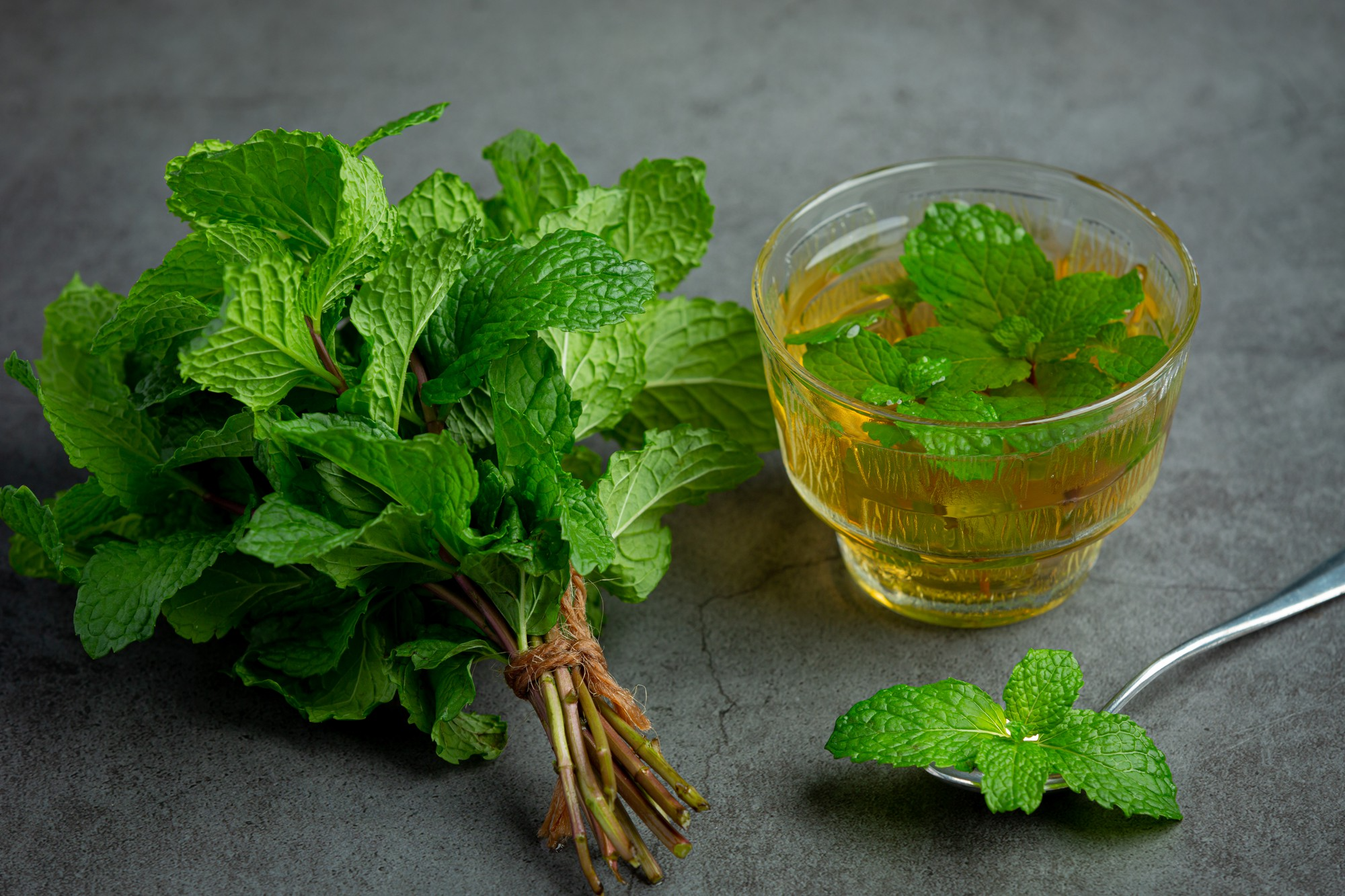
Fresh mint leaves have graced Indian kitchens and traditional medicine practices for thousands of years. This aromatic herb, known as 'pudina' in Hindi, offers more than just flavour enhancement. Scientific research reveals that the benefits of mint leaves extend across multiple body systems, from digestive relief to cognitive enhancement.
The global mint market reached $7.74 billion in 2025, with Asia Pacific leading consumption patterns. This growth reflects mounting scientific evidence supporting mint's therapeutic properties. Let's explore how this versatile herb can naturally support your health and wellness journey.
What Are Mint Leaves?
Mint belongs to the Lamiaceae family and represents one of humanity's oldest known herbs. This aromatic plant family includes approximately 15 to 20 distinct species, each offering unique flavour profiles and therapeutic compounds. India stands among the world's largest mint producers, contributing significantly to global mint oil production.
The herb's cooling sensation comes from menthol, a natural compound that activates temperature-sensing receptors in your mouth and skin. This mechanism explains why mint feels refreshing and provides the foundation for many of its health benefits.
Types of Mint: Peppermint, Spearmint, and Others
Different mint varieties offer distinct characteristics and applications.
|
|
|
|
|
|
|---|---|---|---|---|
| Peppermint |
|
Greenish-purple lance-shaped leaves | Strong, cooling menthol taste | Digestive issues, aromatherapy |
| Spearmint |
|
Round, greyish-green leaves | Milder, sweeter flavour | Culinary applications, beverages |
| Apple Mint |
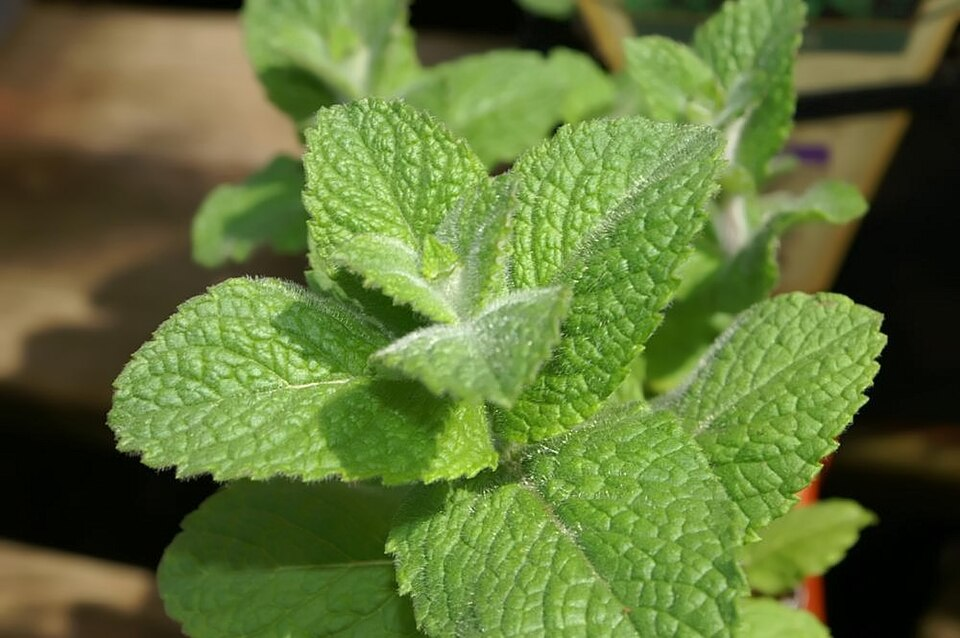
|
Fuzzy, rounded leaves | Apple-like aroma | Teas, garnishes |
| Orange Mint |
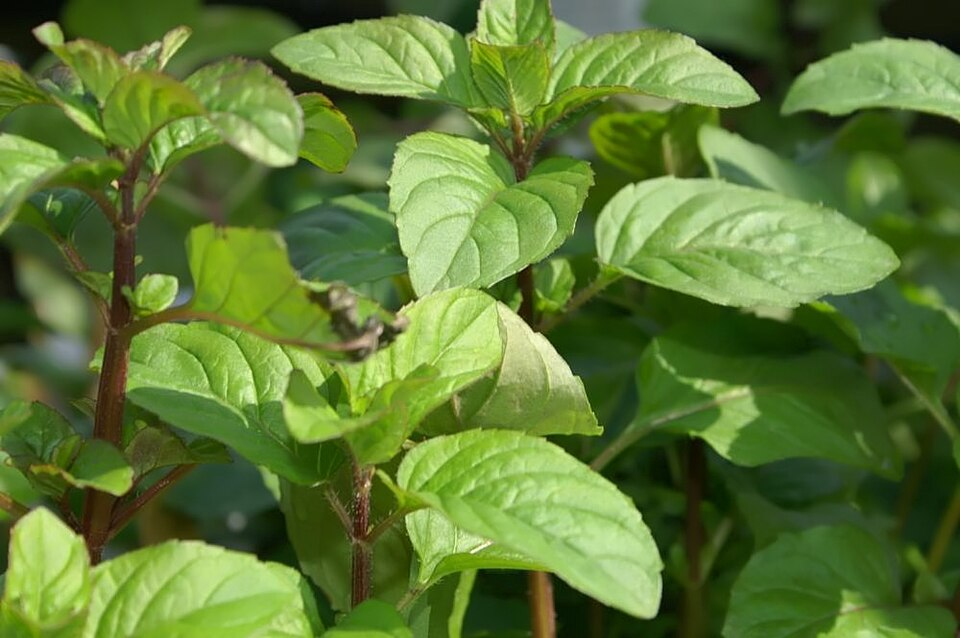
|
Smooth, oval leaves | Citrus undertones | Desserts, flavouring |
| Chocolate Mint |
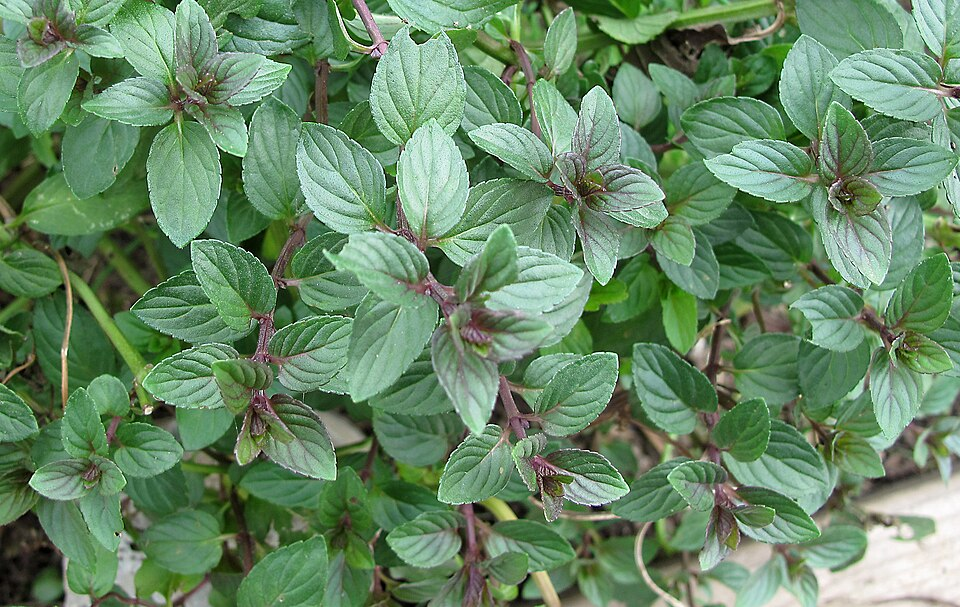
|
Dark green leaves | Faint chocolate notes | Specialty teas, confections |
How Mint Leaves Are Used: Fresh, Dried, Oils, and Capsules
Fresh mint provides superior flavour and nutrient content compared to dried versions. However, processing methods create various forms suitable for different applications.
Fresh Mint Applications:
- Direct consumption in foods and beverages.
- Topical applications for skin conditions.
- Steam inhalation for respiratory relief.
- Traditional medicine preparations.
Processed Forms:
- Dried herbs: Concentrated flavour for teas and seasoning.
- Essential oils: Highly concentrated compounds for therapeutic use.
- Capsules: Standardised doses for medical applications.
- Extracts: Concentrated solutions for various uses.
Nutritional Profile of Mint Leaves
Mint leaves pack impressive nutritional density despite their low calorie content. Two tablespoons of fresh mint provide substantial amounts of essential vitamins and minerals that support overall health.
Per 100 g, mint contains 70 calories, 3.8 g protein, 14.9 g carbohydrates, and 0.94 g fat. This nutritional profile makes mint an excellent addition to healthy eating patterns without adding significant calories.
Key Vitamins and Minerals in Mint
The health benefits of pudina stem partly from its rich micronutrient content.
|
|
|
|
|---|---|---|
| Vitamin C | 13.32 mg | Immune support, collagen synthesis |
| Vitamin A | 202 µg | Vision health, immune function |
| Calcium | 199 mg | Bone health, muscle function |
| Potassium | 458 mg | Heart health, blood pressure regulation |
| Iron | 11.9 mg | Oxygen transport, energy production |
| Magnesium | 63 mg | Muscle function, nerve transmission |
| Folate | 105 µg | DNA synthesis, red blood cell formation |
Antioxidant Content and Its Importance
Mint contains exceptionally high antioxidant levels, providing robust protection against cellular damage. The primary antioxidant compound is rosmarinic acid:
- Rosmarinic acid: Offers antioxidant and anti-inflammatory properties.
- Vitamin C: Water-soluble antioxidant.
- Vitamin E: Fat-soluble antioxidant.
- Flavonoids: Plant compounds with protective properties.
These antioxidants neutralise free radicals that can damage cells and contribute to chronic diseases. The combination of vitamins C and E provides comprehensive antioxidant coverage for both water- and fat-soluble cellular components.
Digestive Health Benefits
The medical benefits of mint leaves for stomach-related issues stem from menthol's ability to relax digestive tract muscles and reduce inflammation. Menthol blocks calcium channels in smooth muscle tissue, helping relieve digestive spasms and discomfort.
Relief from Irritable Bowel Syndrome (IBS)
Clinical research demonstrates peppermint oil's effectiveness for IBS management. Studies consistently show significant symptom improvement when patients use standardised peppermint oil capsules.
Research Findings:
- 40% symptom reduction after four weeks of peppermint oil treatment.
- 24.3% improvement with placebo treatment.
- Significant benefits for pain, constipation, bloating, and gas.
- Multiple clinical trials support these findings.
The research, by the National Centre for Biotechnology Institute (NCBI), specifically used peppermint oil capsules rather than tea or fresh leaves. Capsules provide measured doses and ensure the oil reaches the intestines without stomach acid degradation.
Indigestion and Stomach Upset
Mint leaves address various digestive disorders through multiple mechanisms. Traditional uses include treatment for heartburn, cramping, flatulence, nausea, and general digestive discomfort:
- Reduced stomach muscle spasms.
- Decreased inflammation in the digestive tract.
- Improved bile flow for fat digestion.
- Reduced nausea and vomiting.
- Relief from gas and bloating.
Mechanism: Menthol's Effect on Digestive Muscles
Scientific research reveals how menthol produces its digestive benefits. The compound works through specific cellular mechanisms that directly affect smooth muscle function:
- Calcium channel blockade: Prevents excessive muscle contractions.
- Pain receptor modulation: Reduces sensitivity to digestive discomfort.
- Acetylcholine antagonism: Counters nerve signals causing spasms.
- Serotonin pathway interference: Reduces overactive digestive responses.
These mechanisms help explain why menthol can calm overreactive digestive systems commonly seen in IBS and similar conditions.
Brain Function and Mental Health
The benefits of mint leaves extend to brain health through both aromatic compounds and direct consumption effects. Mint's scent stimulates the hippocampus, the brain region controlling memory and learning, which triggers increased alertness and attention.
Improved Memory and Alertness
Scientific studies demonstrate mint's ability to enhance cognitive performance. Research participants showed:
- Enhanced memory consolidation.
- Improved attention span.
- Reduced mental fatigue.
- Increased alertness levels.
- Better learning capacity.
A study published in the International Journal of Neuroscience found that peppermint essential oil significantly increased alertness and improved memory retention in test subjects.
Anxiety and Stress Reduction through Aromatherapy
Controlled clinical trials demonstrated mint's anxiety-reducing properties. A 2022 study examined peppermint oil's effects on anxiety in hospital patients with acute coronary syndrome. Results showed:
- 64 participants in hospital waiting rooms.
- Significantly reduced anxiety in the peppermint group.
- Clear evidence of aromatherapy benefits.
The calming aroma helps activate parasympathetic nervous system responses, promoting relaxation and stress reduction.
Respiratory and Cold Symptom Relief
Mint's respiratory benefits primarily come from menthol's interaction with nasal and throat receptors. The cooling sensation from menthol activates TRPM8 receptors responsible for detecting cool temperatures. This activation creates a refreshing feeling that can temporarily alleviate congestion symptoms.
Menthol's Role in Nasal Breathing and Congestion Sensation
Menthol works as a natural decongestant by reducing inflammation and creating the sensation of improved airflow. However, this effect primarily involves sensory perception rather than actual physical decongestant action:
- TRPM8 receptor activation: Creates a cooling sensation.
- Perceived congestion relief: Improves breathing sensation.
- Anti-inflammatory effects: May reduce tissue swelling.
- Mucous membrane stimulation: Can help clear nasal passages.
Steam inhalation with mint leaves provides the most effective delivery method for respiratory benefits. The combination of warm steam and menthol vapours helps open nasal passages and soothe irritated tissues.
Limitations and Expectations for Cold Relief
Despite mint's popularity for cold treatment, scientific evidence shows mixed results. The American Lung Association notes that studies don't consistently support menthol for managing cold symptoms or asthma.
Limitations:
- Menthol creates a sensation of clearer breathing without objective improvement.
- No proven effectiveness for actual congestion reduction.
- Limited scientific support for cold symptom management.
- May mask symptoms without addressing underlying causes.
Oral Health Benefits
The health benefits of pudina for oral care combine immediate aesthetic improvements with longer-term protective effects. Rosmarinic acid and other compounds of mint help fight bacteria responsible for plaque buildup, gum disease, and tooth decay.
Masking Bad Breath vs. Antibacterial Effects
Mint addresses bad breath through both immediate masking and underlying bacterial reduction:
Immediate Effects:
- Menthol masks unpleasant odour.
- Creates a fresh, clean mouth sensation.
- Stimulates saliva production.
- Provides a cooling sensation.
Long-term Benefits:
- Antibacterial compounds fight odour-causing bacteria.
- Salicylic acid content helps reduce bacterial growth.
- Rosmarinic acid provides antimicrobial protection.
- Regular use can reduce overall bacterial load.
Studies show that regular peppermint mouth rinse use significantly reduces bad breath over time.
Mint in Dental Care Products vs. Fresh Leaves
Commercial dental products and fresh mint leaves offer different concentrations and delivery methods for oral health benefits.
|
|
|
|
|
|---|---|---|---|
| Fresh leaves | Moderate | Natural compounds present | Chewing, tea preparation |
| Toothpaste | Standardised | Added antibacterial agents | Daily brushing routine |
| Mouthwash | Concentrated | Enhanced antimicrobial formula | Targeted bacterial reduction |
| Chewing gum | Variable | Limited duration | Breath freshening |
Benefits for Breastfeeding Mothers
Research supports peppermint's effectiveness for addressing common breastfeeding challenges. Topical peppermint applications prove more effective than placebo treatments and compare favourably with traditional remedies like lanolin.
Reducing Nipple Pain and Cracks with Mint Applications
Clinical trials consistently show peppermint's effectiveness for nipple trauma prevention and treatment. Research results:
- Meta-analysis confirms significant nipple trauma reduction.
- Peppermint water is more effective than breast milk applications.
- Reduced cracking risk with regular peppermint water use.
- Pain intensity decreased from 8.55 to 1.32 on a 10-point scale after 14 days.
The studies used peppermint water rather than pure essential oil, providing gentler treatment suitable for sensitive breast tissue.
Research Insights and Usage Guidelines
Proper preparation and application ensure safety for both mother and infant. Following evidence-based guidelines maximises benefits while minimising risks.
Preparation Method:
- Soak fresh mint leaves in water overnight.
- Strain to remove plant material.
- Apply to affected areas after nursing.
- Allow to air dry before next feeding.
Safety Precautions:
- Always remove residue before nursing.
- Never allow direct infant ingestion of peppermint oil.
- Use peppermint water, not concentrated oil.
- Consult healthcare providers for persistent problems.
Skin and Hair Benefits
The medical benefits of mint leaves extend to comprehensive skincare support through antioxidant, antimicrobial, and anti-inflammatory mechanisms. Mint's skin benefits come from its rich antioxidant content.
Acne Treatment and Anti-Inflammatory Effects
Mint contains salicylic acid and demonstrates strong antibacterial properties against acne-causing organisms. Research published in the Journal of Natural Products confirms mint's antimicrobial effectiveness.
Acne-Fighting Properties:
- 70% success rate against acne-causing bacteria.
- Natural salicylic acid content.
- Anti-inflammatory compounds reduce redness.
- Oil production regulation.
- Pore-clearing effects.
Hydrating and Anti-Ageing Properties
Studies highlighted mint's ability to improve skin hydration and combat signs of ageing through antioxidant protection:
- 15% increase in skin moisture content.
- Improved blood circulation.
- Free radical damage prevention.
- Reduced fine line appearance.
- Enhanced skin brightness.
The Journal of Advanced Research documented mint extracts' hydrating potential, showing measurable improvements in skin moisture levels. Antioxidants help prevent cellular damage that contributes to premature ageing.
Healing Wounds and Fading Dark Spots
Mint's natural healing compounds support skin repair and pigmentation improvement:
- Accelerated wound healing.
- Reduced inflammation at injury sites.
- Up to 20% reduction in dark spots.
- Even skin tone promotion.
- Soothing effects for minor cuts and insect bites.
Additional Health Benefits
Beyond primary therapeutic applications, mint offers additional health support through immune system enhancement and allergy symptom relief. The herb's rich antioxidant profile and anti-inflammatory compounds provide broad health protection that extends beyond specific organ systems.
Immune System Support through Antioxidants
Mint's vitamin and antioxidant content supports immune function through multiple pathways. Benefits include:
- Vitamin C: Enhances white blood cell function.
- Vitamin A: Maintains mucous membrane integrity.
- Antioxidants: Protect immune cells from damage.
- Phosphorus: Supports cellular energy production.
- Anti-inflammatory compounds: Reduce immune system stress.
These nutrients work together to strengthen the body's natural defence mechanisms and reduce infection risk.
Allergy Symptom Relief and Anti-Inflammatory Effects
Rosmarinic acid, mint's primary anti-inflammatory compound, shows promise for seasonal allergy management, according to studies. Benefits include:
- Reduced runny nose symptoms.
- Decreased itchy eye irritation.
- Improved breathing during allergy season.
- Anti-inflammatory effects on respiratory tissues.
- Natural antihistamine-like properties.
How to Use Mint Leaves Safely
Understanding proper usage methods and safety precautions ensures you maximise mint's benefits while avoiding potential adverse effects.
Culinary Uses and Recipes
Traditional Indian cuisine incorporates mint in numerous preparations that provide both flavour and health benefits. Traditional preparations include:
- Stuffed paranthas: Fresh mint mixed into bread dough.
- Mint chutney: Ground mint with spices and herbs.
- Sambhar: South Indian curry with mint garnish.
- Masala idli: Steamed rice cakes with mint seasoning.
- Refreshing drinks: Mint-infused beverages and teas.
- Add fresh mint leaves to food just before serving to preserve their nutritional content.
- Stems can flavour stocks and sauces but should be removed before serving due to their tougher texture.
Forms of Mint for Health: Leaves, Oils, Capsules
Different mint preparations offer varying concentrations and bioavailability.
|
|
|
|
|
|---|---|---|---|
| Fresh leaves | 1–2 tablespoons daily | Culinary, mild digestive support | All ages |
| Peppermint tea | 1 cup (236 ml) max daily for nursing mothers | General wellness, relaxation | All ages |
| Peppermint oil (adults) | 0.2–0.4 ml three times daily | IBS, digestive issues | Adults only |
| Peppermint oil (children 8+) | 0.1–0.2 ml three times daily | Mild digestive support | Ages 8 and up |
Disclaimer: Consult healthcare providers for personalised recommendations.
Precautions: GERD, Skin Irritation, Allergies
While mint is generally safe for most people, certain conditions require caution or complete avoidance. Important contraindications:
Your Journey to Natural Wellness
As over 65% of Indian consumers now prefer plant-based medicines due to growing awareness of synthetic drug side effects, the benefits of mint leaves make it a well-researched traditional option. The Indian government's allocation of over ₹4,300 crore to the AYUSH ministry reflects official recognition of traditional medicine's value.
Natural health solutions like mint can support your wellness journey, but unexpected health challenges may require professional medical care. In such situations, Royal Sundaram comes as a boon. With over 2 crore+ customers, 2000+ employees, and 145+ branches nationwide, the company offers health-insurance plans that cover hospitalisation, day-care procedures, ambulance services, domiciliary and AYUSH treatments, with lifetime renewability and options like no-claim bonuses and family-floater coverage.
FAQs
Mint supports digestion, enhances mental alertness, freshens breath, improves skin health, and offers anti-inflammatory and antioxidant effects, making it a versatile herb for wellness and daily use.
Peppermint oil studies show menthol relaxes intestinal muscles and reduces IBS symptoms, though most evidence supports oil capsules rather than raw leaves. Mint tea may ease mild indigestion but is less clinically proven.
Mint may worsen GERD, trigger allergies, or cause skin irritation when using concentrated oils. Pregnant and breastfeeding women should use caution, especially with supplements or essential oils, due to limited safety data.
Research indicates topical mint gels or solutions can reduce nipple cracks and pain by soothing inflammation. Some studies show effects comparable to lanolin, though results vary, and proper application guidelines remain important.
Aromatherapy research suggests a mint scent may enhance alertness and reduce anxiety, but evidence is limited. Improvements appear modest, and cognitive or stress benefits should be viewed as supportive rather than definitive.
Menthol creates a cooling sensation that makes breathing feel easier, but it does not unblock nasal passages physiologically. Mint offers subjective comfort but should not be considered a true decongestant.
Mint provides antibacterial and anti-inflammatory effects that may help acne, soothe irritation, support hydration, reduce ageing signs, and promote wound healing, especially when used in diluted oils or gentle formulations.
Mint contains vitamins A and C, folate, iron, calcium, fibre, and antioxidants. These nutrients contribute to immunity, skin health, cellular protection, and overall wellness when consumed regularly in moderation.
You can add mint to teas, chutneys, salads, or infused water, use supplements cautiously, and avoid excess essential oil use. Monitor for reflux or allergies and follow recommended supplement dosages.

Discover the perfect insurance plan for you!
Get your free quote now!
Get StartedBy Clicking on Get Started, You agree to our Terms and Conditions and override DNC/NDNC registration.
More like this
View more