You have been Successfully Subscribed to Newsletter


Health Benefits of Yoga Asanas
June 04, 2026 • 15 Min Read
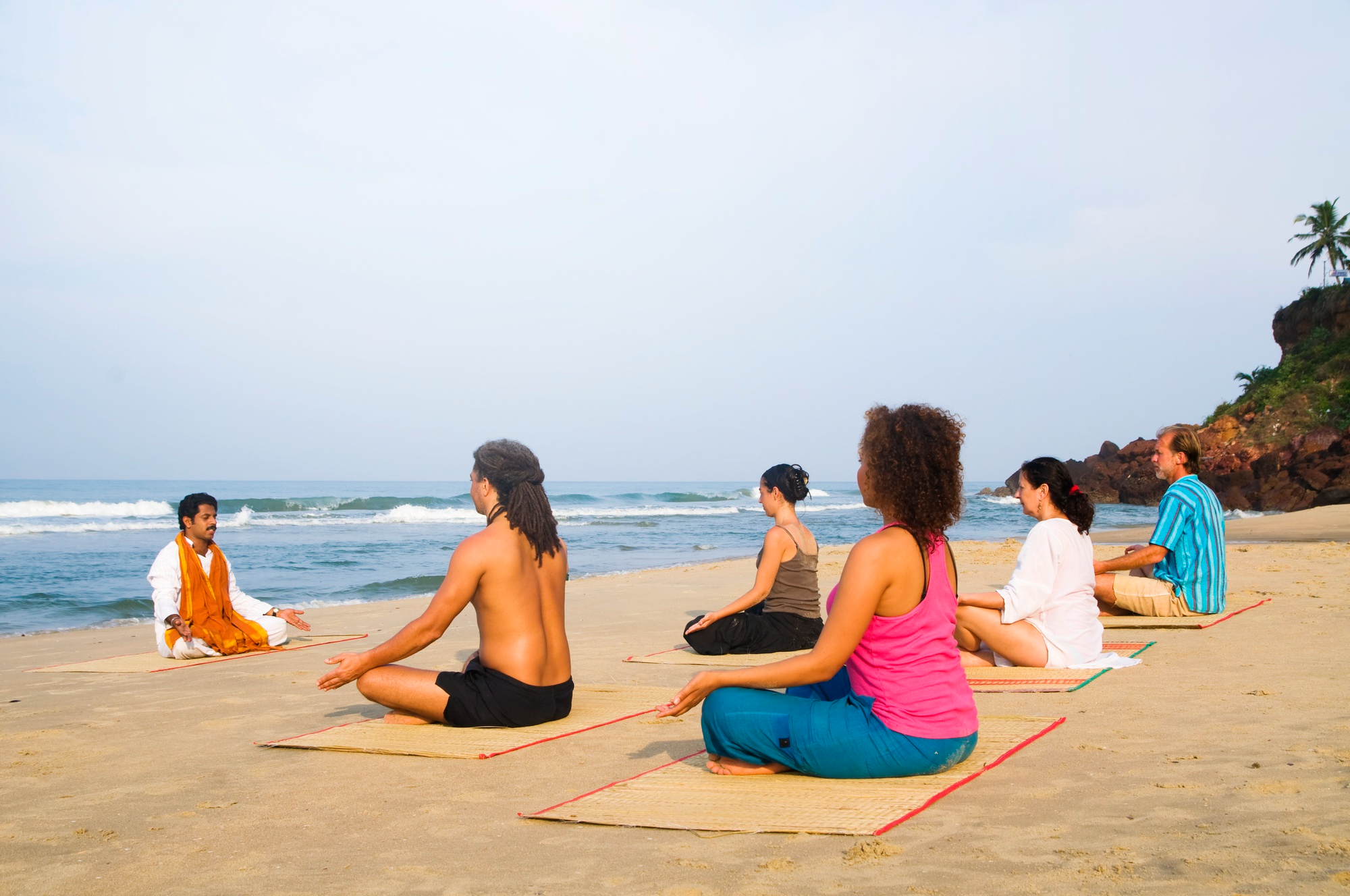
Your body stores stress in ways you might not realise. Tight shoulders from long work hours, shallow breathing during rush-hour traffic, and restless sleep patterns all signal that your physical and mental systems need support. Ancient yoga practices offer proven solutions that modern research continues to validate. This comprehensive guide explores how specific yoga poses can address your health concerns while building strength, flexibility, and inner peace.
What Are Yoga Asanas?
Yoga asanas are physical postures that form the foundation of yoga practice, combining movement with breath awareness to create lasting health benefits. These poses, developed thousands of years ago, serve as powerful tools for physical conditioning and mental clarity.
Definition and Origin of Yoga Asanas
The word "asana" comes from Sanskrit, meaning "seat" or "posture." Originally designed to prepare the body for meditation, these poses have grown into a complete system for health and wellness. Yoga itself dates back 4,000 to 8,000 years, developed in India as an ancient science of movement to improve life both mentally and physically. The benefits of yoga asana extend far beyond simple stretching, creating a bridge between physical movement and spiritual awareness.
Key characteristics of traditional asanas include:
- Steady positioning that can be held comfortably
- Breath coordination that supports the pose
- Mental focus that calms the mind
- Progressive difficulty that builds strength over time
Overview of Yoga Practice and Its Elements
Modern yoga practice combines several elements that work together to create comprehensive health benefits. These components include physical postures (asanas), breathing techniques (pranayama), meditation, and ethical principles that guide daily life.
The eight-fold path of yoga provides a complete framework:
|
|
|
|
|---|---|---|
| Ethical restraints | Yama | Social guidelines |
| Personal observances | Niyama | Individual practices |
| Physical postures | Asana | Body preparation |
| Breath control | Pranayama | Energy regulation |
| Sense withdrawal | Pratyahara | Inner focus |
| Concentration | Dharana | Mental training |
| Meditation | Dhyana | Sustained awareness |
| Union | Samadhi | Complete integration |
The benefits of Sukhasana and other foundational poses become more apparent when practised within this complete system, as each element supports and strengthens the others.
Physical Benefits of Yoga Asanas
Regular yoga builds strength, flexibility, mobility, and cardiovascular health through measurable improvements backed by research on practitioners' wellness gains.
Improved Flexibility and Balance
Yoga boosts flexibility, with better sit-and-reach scores after just six weeks. Tree Pose (Vrikshasana) improves balance by strengthening stabilisers, enhancing proprioception, lengthening muscles, increasing joint mobility, releasing fascia, and adapting neural pathways.
Increased Strength and Muscle Tone
Yoga develops functional strength via isometric holds and bodyweight resistance, confirmed by a 2021 meta-analysis; Bhujangasana (Cobra Pose) targets the posterior chain, glutes, hamstrings, chest opening, and spinal flexibility through endurance, overload, core integration, and daily movement patterns.
Pain Relief and Injury Healing (Back Pain, Arthritis)
Yoga helps 80% of practitioners heal pain via circulation, reduced inflammation, and better alignment; Chakrasana (Wheel Pose) decompresses the spine for back relief while gentle movements maintain arthritis joint mobility and strengthen muscles.
Improved Posture and Spinal Health
Yoga counters desk posture issues by enhancing brain posture centres per a 2020 review, with spinal alignment, core strength, hip flexor lengthening, and shoulder mobility; Savasana resets neutral spine alignment and releases tension.
Boosted Cardiovascular and Respiratory Health
Yoga reduces blood pressure and improves heart rate variability via movement and pranayama, yielding lower resting rates, better circulation, less inflammation, and stress management for arterial protection.
Weight Management and Metabolism Benefits
Yoga aids weight control through mindful eating, cortisol reduction, lean muscle building, and sleep improvement; Chakrasana stimulates metabolism-regulating endocrine glands.
Mental and Emotional Benefits of Yoga Asanas
The mental health benefits of yoga practice are as significant as the physical improvements, with research showing measurable changes in brain chemistry and stress hormone levels. These psychological benefits often motivate people to continue their practice long-term.
Stress Reduction and Anxiety Relief
Yoga provides a powerful antidote to modern stress through multiple biological mechanisms. Practice lowers cortisol production while increasing endorphin release, creating natural stress relief without medication.
After eight weeks of yoga practice, participants showed significant reductions in self-reported stress levels and stress reactivity, along with increased mindfulness. This stress reduction occurs through both physical movement and breathing practices.
Stress relief mechanisms include:
- Parasympathetic nervous system activation that promotes relaxation
- Mindful breathing that interrupts stress response patterns
- Physical tension release that reduces muscle-held stress
- Present-moment awareness that breaks worry cycles
Enhanced Sleep Quality
Sleep quality improvements represent one of the most appreciated benefits of yoga asana for practitioners dealing with insomnia or restless sleep. A Johns Hopkins study shows that consistent bedtime yoga routines help achieve the right mindset for quality sleep.
Yoga improves sleep through several pathways:
- Reduced cortisol levels that interfere with sleep cycles
- Muscle relaxation that prepares the body for rest
- Mind calming that reduces racing thoughts
- Improved circadian rhythm regulation
Improved Mood, Self-Esteem, and Mental Clarity
Yoga creates measurable improvements in mood through increased GABA production in the brain. A Boston University study found that 12-week yoga practice produced larger improvements in mood and anxiety compared to metabolically matched walking exercise.
Regular yoga practitioners demonstrate significantly better mental health scores compared to non-practitioners, with improvements in:
- Self-esteem through body awareness and acceptance
- Emotional regulation through mindfulness training
- Mental clarity through focused concentration practice
- Positive body image through non-competitive movement
Mindfulness and Emotional Regulation
Yoga cultivates mindfulness, the ability to observe thoughts and emotions without being overwhelmed by them. This skill proves invaluable for managing difficult emotions and making better decisions under pressure.
Mindfulness benefits include:
- Emotional awareness without reactive responses
- Improved decision-making through clearer thinking
- Reduced emotional volatility through better regulation
- Increased compassion for self and others
Spiritual and Relational Benefits of Yoga Asanas
Beyond physical and mental health, yoga practice opens doorways to spiritual growth and improved relationships. These deeper benefits often surprise practitioners who initially approach yoga for fitness reasons alone.
Increased Compassion and Connection
Yoga cultivates compassion through self-awareness, with teaching linked to enhanced physical, mental, emotional, spiritual, and relational benefits; yoga classes build community connections that often form lasting support networks and friendships.
Spiritual Well-being and Awareness
Yoga promotes spiritual development via discipline, concentration, and introspection without religious requirements. Sirsasana (Headstand) powerfully stimulates pituitary/pineal glands while classical texts emphasise sustained practice for patience, gratitude, self-understanding, and purpose.
The Role of Consistency and Practice Frequency
Consistency trumps duration for deeper benefits, as research shows frequent home practice builds cumulative neural pathways and habits more effectively than sporadic long sessions, favouring sustainable routines over burnout-prone schedules.
How Practice Approach Affects Benefits
Your approach to yoga practice significantly influences the benefits you receive. Factors like frequency, timing, instruction quality, and practice environment all affect outcomes and determine whether you achieve your health goals.
Impact of Frequency and Duration of Practice
Current research suggests practising yoga at least twice weekly for anxiety and depression reduction, though optimal frequency varies by individual goals and experience level. The Ministry of AYUSH recommends about 30 minutes daily for building strength, flexibility, and balance.
Practice frequency guidelines:
|
|
|
|
|---|---|---|
| Beginners | 2-3 times per week | 20-30 minutes |
| Intermediate | 4-5 times per week | 30-45 minutes |
| Advanced | Daily practice | 45-90 minutes |
| Seniors | 3-5 times per week | 20-30 minutes |
Disclaimer - Frequency recommendations are general guidelines and may vary based on individual needs and health conditions.
Benefits of Practising With a Certified Teacher
Qualified instruction significantly enhances yoga's benefits while reducing injury risk. Teachers who have gone through proper certification demonstrate deeper integration of yoga's subtle aspects beyond physical postures.
The Yoga Certification Board, established by the Ministry of AYUSH, ensures that certified professionals meet international standards. This certification system helps practitioners find qualified instructors who understand proper alignment, safety modifications, and progression principles.
Time of Day and Its Influence on Outcomes
Traditional yoga practice aligns with early morning hours to leverage natural body rhythms, while mass demonstrations like those on International Day of Yoga specifically occur from 6:30 AM to 7:45 AM.
However, practice timing should align with your schedule and energy patterns. Some people benefit more from evening practice that helps transition from work stress to relaxation.
Home Practice Versus Guided Sessions
Both home practice and studio classes offer unique advantages.
Home practice advantages:
- Personalised pace that matches your needs
- Convenient scheduling that fits busy lifestyles
- Cost effectiveness over time
- Cost effectiveness over time
Studio class advantages:
- Professional guidance for safety and progression
- Community support and motivation
- Structured learning with proper sequencing
- Equipment access for props and variations
Popular Yoga Asanas and Their Specific Benefits
Each yoga asana targets specific health goals while building overall body awareness and wellness through targeted alignment and engagement.
Sukhasana (Easy Pose) for Relaxation and Posture
Sukhasana, sitting cross-legged with an upright spine, delivers immediate stress relief, improves posture awareness, opens the chest for better breathing, and gradually enhances hip flexibility while preparing for meditation.
Tadasana (Mountain Pose) for Strength and Alignment
Tadasana builds postural awareness, strengthens the core, improves balance through even weight distribution, enhances breathing via chest opening, and develops mental focus through sustained stillness as the foundation for all standing poses.
Adho Mukha Svanasana (Downward Dog) for Spine and Circulation
Downward Dog lengthens the spine for decompression, stretches hamstrings, strengthens shoulders via weight-bearing, boosts circulation through mild inversion, and reduces stress with its calming full-body stretch.
Bhujangasana (Cobra Pose) for Spinal Flexibility and Digestion
The Cobra Pose strengthens back muscles, opens the chest for deeper breathing, stretches abdominals to stimulate digestion, counters forward head posture, and relieves hip flexor tension from prolonged sitting.
Trikonasana (Triangle Pose) for Flexibility and Digestion
Triangle Pose enhances lateral spine flexibility, opens hips, strengthens the core, stimulates digestion through twisting, and improves balance with its asymmetrical leg positioning and multi-muscle stretch.
Other Notable Asanas: Sirsasana, Halasana, Malasana
Advanced poses offer additional benefits for experienced practitioners who have developed proper strength and flexibility foundations.
Sirsasana (headstand) is known as the "king of asanas":
- Improved circulation through complete inversion
- Core strengthening through balance requirements
- Mental clarity through increased brain blood flow
- Confidence-building through fear confrontation
The benefits of Sirsasana require significant preparation and should only be attempted with qualified instruction to prevent neck injury.
Halasana (Plow Pose) benefits include spinal flexibility improvement and nervous system calming through forward folding action.
Malasana (Garland Pose) provides grounding energy and hip opening that proves particularly beneficial for people who sit extensively.
Yoga for Different Ages and Fitness Levels
Yoga's adaptability makes it suitable for practitioners across all ages and fitness levels. Proper modifications ensure that everyone can experience the benefits of yoga asana safely and effectively.
Modifications for Seniors and Beginners
Senior practitioners represent a growing segment of the yoga community, with 21% of adults aged 60 and older practising yoga according to recent studies. Popular styles for seniors include chair yoga, restorative yoga, and gentle Hatha yoga.
Senior-friendly modifications include:
- Chair support for balance-challenging poses
- Props usage for accessibility and comfort
- Shorter hold times to prevent fatigue
- Joint-friendly alternatives for high-impact poses
Precautions for Medical Conditions
People with medical conditions should consult healthcare providers before beginning yoga practice. While yoga proves beneficial for many conditions, certain poses may require modifications or avoidance depending on individual health status.
Common precautions include:
- High blood pressure: Avoid prolonged inversions
- Neck injuries: Skip headstands and aggressive neck movements
- Pregnancy: Modify core work and avoid prone positions
- Herniated discs: Limit forward folding and twisting
Choosing the Right Class or Practice Style
Yoga offers numerous styles that cater to different goals, temperaments, and physical abilities. Understanding these differences helps you select practices that align with your needs and preferences.
Popular styles include:
|
|
|
|
|---|---|---|
| Hatha | Gentle | Beginners, seniors |
| Vinyasa | Moderate | Fitness-oriented practitioners |
| Restorative | Very gentle | Stress relief, healing |
| Ashtanga | High | Athletic, experienced practitioners |
| Iyengar | Variable | Alignment focus, injury recovery |
Disclaimer - Style recommendations are general guidelines. Individual preferences and needs may vary.
Getting Started and Staying Consistent
Beginning a yoga practice requires patience, realistic expectations, and gradual progression. Understanding how to start safely and maintain consistency helps ensure long-term success and continued benefits.
Tips for Beginners
New practitioners should start slowly with foundational poses that build strength and flexibility gradually. Beginning with 1-2 sessions weekly allows your body to adapt while establishing sustainable habits.
Essential beginner guidelines:
- Start with basic poses like Tadasana and gentle stretches
- Focus on breathing rather than perfect form initially
- Use props for support and comfort when needed
- Listen to your body and rest when necessary
- Set realistic goals for gradual improvement
Importance of Regular Practice
Building a sustainable routine creates cumulative benefits that compound over time. Even modest, consistent practice schedules establish foundations for lasting physical health and mental well-being improvements.
Regular practice benefits include:
- Progressive flexibility gains that continue over months
- Strength building that supports daily activities
- Stress management skills that improve life quality
- Body awareness that prevents injuries
Finding a Qualified Instructor
Proper instruction ensures safety while maximising the benefits of yoga asana through correct alignment and appropriate progressions. The Yoga Certification Board provides internationally recognised certification that ensures quality standards.
When selecting an instructor, consider:
- Certification credentials from recognised programs
- Teaching experience with your population (beginners, seniors, etc.)
- Communication style that matches your learning preferences
- Safety emphasis in pose instruction and modifications
Your Path to Complete Wellness Protection
Take your yoga practice to the next level with Royal Sundaram health insurance backing your health goals. Get comprehensive protection for hospital stays, day-care procedures, pre- and post-hospitalisation costs, plus AYUSH treatments like yoga therapy. Benefit from wellness check-ups, loyalty bonuses for claim-free years, and tax savings under Section 80D. Safeguard your path to vitality today at Royal Sundaram Health Insurance.
Frequently Asked Questions
Practice yoga asanas 2-3 times weekly for noticeable benefits in flexibility and stress reduction. Beginners start with 20-30 minute sessions, gradually increasing frequency.
Yes, yoga aids chronic pain recovery, like back pain and arthritis, through better circulation and movement. Consult a healthcare provider before starting with injuries.
Yoga reduces stress, anxiety, and improves mood/sleep by lowering cortisol and boosting GABA. Eight weeks of practice enhances mindfulness and emotional regulation.
Certified teachers enhance safety and benefits through proper alignment and modifications. Home practice works, but instructors maximise physical and mental gains.
Yes, with modifications like chair yoga for seniors. All ages benefit when poses match capabilities and limitations.
Start with Sukhasana (Easy Pose), Tadasana (Mountain Pose), and Savasana (Corpse Pose) for posture, awareness, and relaxation. These build foundations safely.
Yoga focuses on stretching, building strength, and increasing awareness, with many people noticing improved flexibility. Balanced poses help fix postural issues caused by everyday habits.
Yoga supports weight control via metabolism boost, mindful eating, and stress reduction. It builds muscle and curbs cortisol-driven fat storage in balanced lifestyles.

Discover the perfect insurance plan for you!
Get your free quote now!
Get StartedBy Clicking on Get Started, You agree to our Terms and Conditions and override DNC/NDNC registration.
More like this
View more