You have been Successfully Subscribed to Newsletter


Blueberry Benefits for Overall Wellness
May 19, 2026 • 15 Min Read
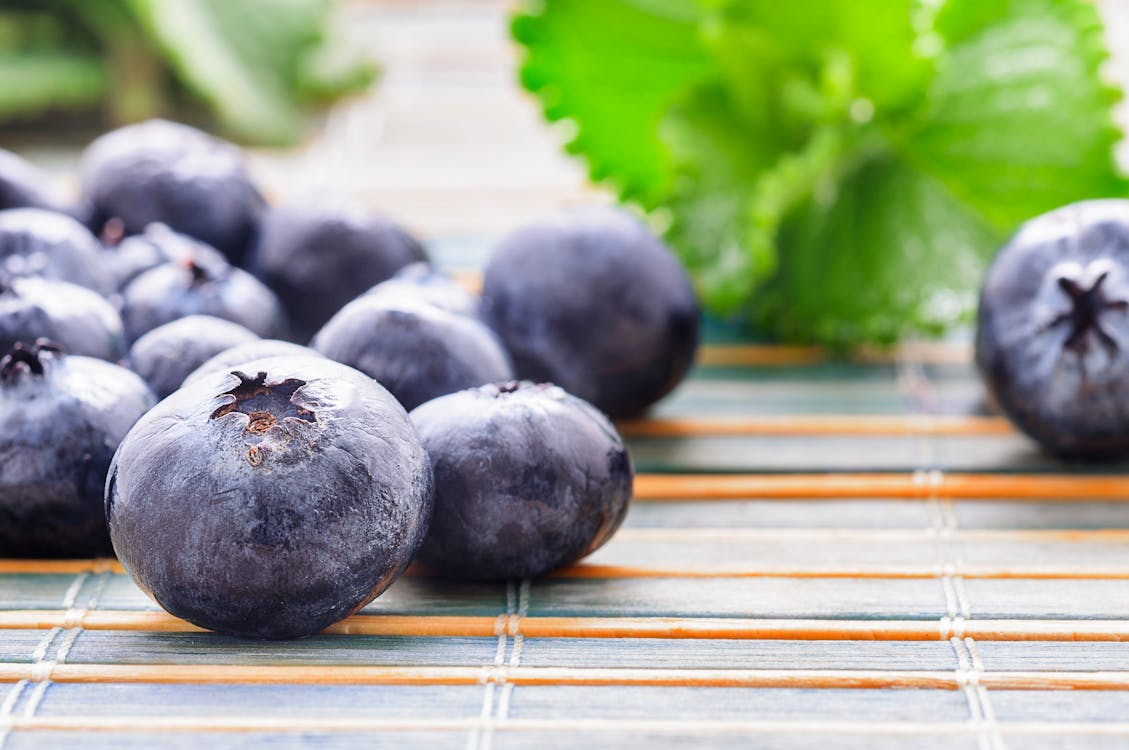
Blueberries stand out as nutritional powerhouses that deliver measurable health improvements backed by solid scientific research. These tiny fruits pack an impressive array of vitamins, minerals, and antioxidants that work together to promote better heart health, sharper brain function, and stronger immune systems. The growing body of research surrounding blueberry benefits reveals why these berries deserve a permanent place in your daily routine. Let's explore what makes these berries so special and how you can harness their wellness potential.
What Are Blueberries?
Blueberries belong to the genus Vaccinium and represent one of nature's most nutrient-dense fruits. These perennial flowering plants produce distinctive blue or purple berries covered in a natural protective coating called "bloom" that gives them their characteristic appearance.
Originally native to North America, blueberries now grow in various climates worldwide. The plants range dramatically in size, from small 10-centimetre shrubs to towering 4-metre bushes.
Types of Blueberries: Highbush vs Wild
The two main categories of blueberries offer distinct nutritional profiles and growing characteristics:
|
|
|
|
|---|---|---|
| Scientific Name | Vaccinium angustifolium | Vaccinium corymbosum |
| Size | Smaller berries | Larger berries |
| Growing Pattern | Low-growing bushes | Tall cultivated plants |
| Availability | Limited seasons | Widely available |
| Climate Adaptation | Cold, harsh climates | Various climates |
Wild blueberries contain approximately twice the antioxidant concentration of their cultivated cousins. This higher concentration developed as these berries adapted to harsh climates in Maine and Canada, naturally increasing their anthocyanin content. The challenging growing conditions forced these plants to produce more protective compounds, resulting in superior nutritional density.
Highbush blueberries dominate commercial production due to their larger size and abundant growth. While they contain fewer antioxidants per berry, they remain excellent sources of essential nutrients and offer greater accessibility for regular consumption.
Seasonal Availability
Fresh blueberries have specific growing seasons that vary by region. In India, the blueberry season typically runs from April to June, with some regions like Himachal Pradesh and the Nilgiri Hills extending harvest into September.
Individual quick freezing preserves most of the blueberry nutritional value, retaining vitamin C, phenolic compounds, and antioxidant capacity, allowing year-long availability.
Nutritional Profile of Blueberries
Blueberries deliver impressive nutrition in a low-calorie package. These berries provide essential vitamins, minerals, and powerful plant compounds that support multiple aspects of health and wellness.
Vitamins, Minerals, and Fibre
One cup of fresh blueberries provides substantial portions of daily nutritional needs:
|
|
|
|---|---|
| Vitamin C | 14.06 mg |
| Vitamin K | 27.98 mcg |
| Manganese | 0.49 mg |
| Dietary Fibre | 3.58 g |
Calories and Macronutrients
Blueberries offer excellent nutritional density with minimal caloric impact:
|
|
|
|---|---|
| Calories | 82.65 kcal |
| Carbohydrates | 21.01 g |
| Protein | 1.07 g |
| Fat | 0.48 g |
| Calcium | 8.7 mg |
This macronutrient profile makes blueberries ideal for weight management and blood sugar control. The low calorie content combined with high nutrient density allows you to satisfy sweet cravings while supporting overall health goals.
Key Antioxidants: Anthocyanins and Flavonoids
Anthocyanins give blueberries their distinctive blue colour and provide their most significant health benefits. These powerful antioxidants belong to the flavonoid family and offer protection against cellular damage caused by free radicals.
These compounds cross the blood-brain barrier, making them particularly effective for supporting cognitive function and protecting against age-related brain changes. The antioxidant capacity of blueberries extends beyond anthocyanins to include various other flavonoids that work synergistically to provide comprehensive cellular protection.
Top Health Benefits of Blueberries
Blueberry benefits extend across multiple body systems, making these berries valuable additions to any health-focused diet.
Heart Health and Blood Pressure Reduction
Blueberries offer measurable cardiovascular benefits, particularly for blood pressure management. The anthocyanins in blueberries help regulate blood pressure through several mechanisms:
- Improved Arterial Flexibility: Reduced stiffness in blood vessels
- Better Blood Flow: Enhanced circulation throughout the body
- Oxidative Stress Protection: Reduced damage to heart blood vessels
- Anti-Inflammatory Effects: Lower inflammation in the cardiovascular system
Brain Function, Memory, and Cognitive Support
The ability of anthocyanins to cross the blood-brain barrier allows these compounds to directly protect brain cells from oxidative damage. This protection may help reduce age-related cognitive decline and support long-term brain health. Key cognitive improvements include:
- Enhanced Memory Function: Better short-term and working memory
- Improved Reaction Times: Faster cognitive processing
- Better Executive Function: Enhanced decision-making abilities
- Increased Brain Activity: Greater activation in cognitive regions
Blood Sugar Management and Anti-Diabetes Effects
Blueberries offer significant benefits for blood sugar control and diabetes prevention. The berries have a low glycaemic index, causing gradual rather than rapid blood sugar increases. Regular consumption provides several diabetes-related benefits:
- Improved Insulin Sensitivity: Better cellular response to insulin
- Lower HbA1c Levels: Better long-term blood sugar control
- Reduced Fructosamine: Improved short-term glucose management
- Lower Diabetes Risk: Consuming ≥2 servings weekly reduces type 2 diabetes risk
Antioxidant Protection and Anti-Ageing Effects
Blueberries rank among the highest antioxidant sources of any common fruit or vegetable. These antioxidants protect cells from free radical damage that contributes to ageing, cancer, heart disease, and other chronic conditions. The protective mechanisms include:
- DNA Damage Prevention: Reduced cellular mutations
- Free Radical Neutralisation: Protection against oxidative stress
- Anti-Inflammatory Action: Lower chronic inflammation levels
- Cellular Repair Support: Enhanced natural recovery processes
Weight Management Support
The combination of low calories, high nutrients, and substantial fibre content makes blueberries valuable for weight management. The fibre promotes satiety while the natural sweetness helps satisfy cravings for less healthy options.
Exercise Recovery and Muscle Damage Reduction
Blueberries may improve exercise performance and reduce inflammatory markers that contribute to muscle damage. The anti-inflammatory properties of anthocyanins help speed recovery following intense physical activity. Athletes and fitness enthusiasts may benefit from consuming blueberries before and after workouts to support optimal recovery and maintain consistent training schedules.
Other Potential Health Benefits
Beyond the abovementioned blueberry benefits, these berries offer additional wellness support across various body systems.
- Eye Health and Vision Support: Blueberries may support eye health by helping protect retinal cells, preserving visual function, and maintaining key vision proteins.
- Bone Health and Vitamin K Benefits: Their natural vitamin K content may aid healthy bone metabolism and support proper calcium use in the body.
- Anti-Inflammatory and Immunity Support: The fruit’s anti-inflammatory and immune-supporting properties may help the body manage chronic inflammation over time.
- Potential Anticancer Protection: Early research suggests blueberry compounds may help protect cells from damage and may play a role in reducing the growth of harmful cells.
- Liver and Lung Wellness Support: Their antioxidant activity may offer general support for liver and lung health by helping reduce oxidative stress.
How to Use Blueberries
Incorporating blueberries into your daily routine offers flexibility and convenience. These versatile berries adapt to various meal patterns and preparation methods while maintaining their nutritional benefits.
- Breakfast Additions: Mix into cereal, oatmeal, or yogurt
- Smoothie Ingredients: Blend with other fruits for nutrition boosts
- Salad Toppings: Add sweet-tangy flavour to green salads
- Main Course Accents: Include in grain bowls or meat dishes
- Snack Options: Eat fresh as standalone snacks
Fresh vs Frozen Blueberries: Nutrient Retention
Both fresh and frozen blueberries provide excellent nutritional value.
|
|
|
|
|---|---|---|
| Fresh | Peak flavour, immediate consumption | Seasonal availability, shorter shelf life |
| Frozen | Year-round availability, convenient | Slight texture changes, minimal nutrient loss |
| Dried | Long shelf life, portability | Often contains added sugars |
Using Blueberry Leaf Tea and Supplements
Blueberry leaf tea contains vitamin C and anthocyanins. These compounds in wild blueberry leaves might help reduce inflammation related to cognitive disorders.
Freeze-dried blueberry supplements typically provide 22-50 grams daily doses in research studies. However, whole berries offer additional benefits from fibre and other compounds not present in concentrated supplements.
Disclaimer: Always consult healthcare providers before starting any supplement regimen, especially if you have existing medical conditions or take medications.
Growing and Storing Blueberries
Home cultivation and proper storage extend access to fresh blueberries while maintaining their nutritional quality.
Basic Guide to Growing Blueberries at Home
Blueberries thrive in specific growing conditions that can be managed in home environments:
Soil requirements:
- pH range: 4.5–5.5 (acidic conditions)
- Well-drained soil with good organic content
- Container mix: 60% cocopeat, 20% peat moss, 20% perlite
Climate considerations:
- Optimal temperature range: 18°C–25°C
- Traditional varieties need 600–1000 chill hours
- Low-chill varieties tolerate temperatures up to 40°C
Best Practices for Storing and Freezing Blueberries
Proper storage techniques preserve both flavour and nutritional content:
- Refrigerate immediately after purchase
- Keep berries dry to prevent mould growth
- Use shallow containers to prevent crushing
- Rinse only before consumption, not before storage
The process to freeze blueberries at home is quite simple:
- Wash berries and allow complete drying
- Arrange in single layer on cookie sheet
- Freeze until solid, then transfer to freezer bags
- Store frozen berries for up to 10 months
These storage methods help maintain the blueberry nutritional value while extending shelf life significantly.
Precautions and Side Effects
While blueberries are generally safe for most people, certain individuals should exercise caution. Understanding potential blueberry side effects helps ensure safe consumption for everyone.
Potential Allergic Reactions
Blueberry allergies remain uncommon but can occur. Some people may be sensitive to salicylates, compounds naturally present in high amounts in blueberries. These compounds are chemically similar to aspirin's active ingredient. Possible allergic symptoms include:
- Itching and hives
- Facial or throat swelling
- Difficulty breathing
- Severe reactions like anaphylaxis (rare)
Blueberries also contain Lipid Transfer Proteins, which can cause severe allergic reactions in sensitive individuals. These proteins appear in many food groups and may trigger cross-reactivity.
Interactions With Medications
Blueberries may interact with certain medications, particularly those affecting blood sugar levels. Both blueberry fruit and leaves can lower blood glucose, potentially causing dangerous drops when combined with diabetes medications.
Individuals taking blood-thinning medications should consult healthcare providers before significantly increasing blueberry consumption, as vitamin K content may affect medication effectiveness.
Who Should Consult a Doctor Before Consuming Blueberries
Specific groups should seek medical advice before adding blueberries to their diet:
- People with known food allergies or salicylate sensitivity
- Individuals taking diabetes medications
- Those on blood-thinning medications
- Anyone with chronic health conditions requiring dietary restrictions
Disclaimer: All views and information in this blog are for general informational purposes only and should not be taken as professional advice. Please verify any details independently and consult qualified experts before making dietary changes.
Your Path to Better Health Through Smart Choices
Blueberry benefits extend far beyond their delicious taste, offering scientifically backed support for heart health, brain function, and blood sugar management. These remarkable berries provide practical solutions for common health concerns while delivering essential nutrients in a convenient, accessible form.
Royal Sundaram General Insurance understands that your health journey deserves protection. Their health insurance plans provide comprehensive coverage for medical expenses, ensuring that your focus remains on maintaining wellness rather than worrying about healthcare costs.
FAQs
Frozen blueberries retain most of their nutritional value, including vitamin C, anthocyanins, and antioxidant capacity. Individual quick freezing preserves these nutrients effectively.
Yes, blueberries may help reduce blood pressure. The anthocyanins in blueberries improve blood vessel function and reduce arterial stiffness, contributing to better cardiovascular health.
Blueberries contain anthocyanins and various flavonoids that protect cells from free radical damage. These antioxidants help prevent cellular ageing, reduce inflammation, and lower the risk of chronic diseases.
Blueberries help support cognitive function and memory. The anthocyanins cross the blood-brain barrier, providing direct neuroprotection and potentially reducing age-related cognitive decline.
Blueberries have a low glycaemic index of 53 and improve insulin sensitivity. Regular consumption helps reduce HbA1c levels and lowers the risk of developing type 2 diabetes.
Most people tolerate blueberries well, but some may experience allergic reactions to salicylates or Lipid Transfer Proteins. Symptoms can include itching, hives, swelling, or breathing difficulties.
Store fresh blueberries in the refrigerator immediately after purchase, keeping them dry to prevent mould. For freezing, wash and dry berries completely, arrange in single layers on cookie sheets until frozen, then transfer to freezer bags.
Their colour comes from natural pigments called anthocyanins and anthocyanidins, which reflect blue-violet light and give the berries their distinctive hue.
They’re rich in vitamin C, vitamin K, manganese and fibre, all of which support immunity, bone health, metabolism and smooth digestion.

Discover the perfect insurance plan for you!
Get your free quote now!
Get StartedBy Clicking on Get Started, You agree to our Terms and Conditions and override DNC/NDNC registration.
More like this
View more