You have been Successfully Subscribed to Newsletter


Amazing Brinjal Benefits: Complete Nutrition Guide
June 16, 2026 • 15 Min Read
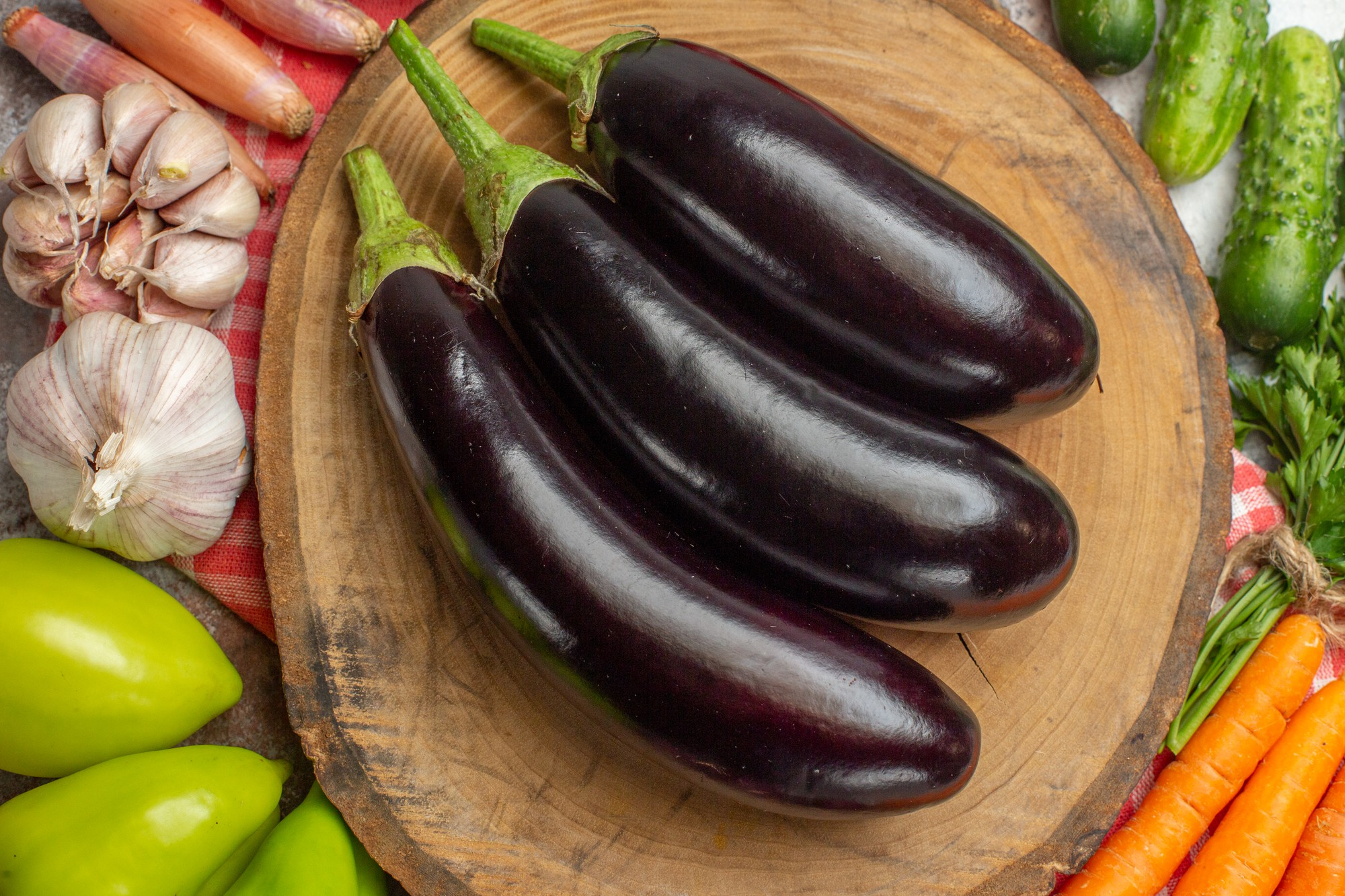
Brinjal benefits include excellent heart health support, blood sugar control, and weight management. With just 24 calories per 100g, brinjal offers impressive nutritional value, including antioxidants, fibre, and essential minerals. India produces 12.61 million metric tons annually, making it widely accessible. While brinjal side effects include oxalate content and potential allergies, proper cooking methods maximise benefits.
Known as the "King of Vegetables" across India, brinjal holds a special place in kitchens from Kashmir to Kerala. This purple powerhouse has nourished Indian families for thousands of years, appearing in ancient Ayurvedic texts and finding its way into countless regional dishes. Beyond its culinary versatility, modern science confirms what traditional wisdom always knew - brinjal benefits extend far beyond taste.
India leads global brinjal production, with 12.61 million metric tons produced annually. This abundance makes brinjal an accessible superfood for millions, offering exceptional brinjal nutritional value at affordable prices across the country. In this blog, you will discover the health benefits of brinjal, its nutritional profile, and how adding it to your diet can support overall wellness.
Introduction to Brinjal
Brinjal represents one of India's most cherished vegetables, combining rich cultural heritage with impressive health benefits. Understanding its botanical background and nutritional composition helps you make informed dietary choices.
What is Brinjal? Botanical and Cultural Overview
Brinjal, scientifically known as Solanum melongena L., belongs to the Solanaceae family and thrives as an annual plant across subtropical and tropical regions. This remarkable vegetable originated in India, where large-fruited cultivars were first domesticated thousands of years ago. Botanist De Candolle confirmed in 1886 that brinjal has been cultivated in India since ancient times, establishing the Asian region as its birthplace.
The vegetable showcases incredible diversity across India, with 15-20 distinct varieties available in different colours, shapes, and sizes. Regional names reflect this cultural significance - Bengali speakers call it "Begun," Hindi speakers know it as "Baigan," Sanskrit texts refer to it as "Vartaku," and Marathi communities use "Vangi."
Nutritional Profile of Brinjal (Per 100 grams)
The impressive brinjal nutritional value becomes clear when examining its comprehensive nutrient profile. This low-calorie vegetable packs substantial nutrition into every serving.
|
|
|
|
|---|---|---|
| Calories | 24 kcal | 1.14% |
| Protein | 0.98g | 1.75% |
| Carbohydrates | 5.88g | - |
| Fibre | 3g | 7.9% |
| Fat | 0.18g | 0.19% |
| Potassium | 229mg | 6.74% |
| Manganese | 0.23mg | 10% |
| Copper | 0.081mg | 9% |
| Vitamin B6 | 0.084mg | 6.46% |
| Vitamin C | 2.2mg | 2.44% |
Health Benefits of Brinjal
The remarkable brinjal benefits stem from its unique combination of vitamins, minerals, antioxidants, and bioactive compounds. Scientific research validates many traditional uses while uncovering new therapeutic applications.
Rich Source of Vitamins, Minerals, and Fibre
Brinjal provides essential B-complex vitamins, including pantothenic acid (vitamin B5), pyridoxine (vitamin B6), thiamin (vitamin B1), and niacin (vitamin B3). These vitamins support fat, protein, and carbohydrate metabolism while maintaining nervous system function. The vegetable also supplies vitamin K for bone health and blood clotting.
The mineral profile includes significant amounts of potassium for blood pressure regulation, manganese for enzyme function, and copper for iron absorption. With 3 grams of dietary fibre per 100g serving, brinjal supports digestive health and helps maintain stable blood sugar levels.
High in Antioxidants Including Nasunin and Polyphenols
The deep purple skin contains powerful anthocyanins, particularly nasunin, which protects brain cell membranes from oxidative damage. These antioxidants combat free radicals, reduce inflammation, and may slow ageing processes while boosting overall immunity.
Chlorogenic acid, another potent antioxidant in brinjal, demonstrates high free radical-fighting capacity. This compound also helps lower LDL (bad) cholesterol and possesses antimutagenic properties, potentially protecting cells from cancerous mutations while offering antiviral benefits.
Supports Heart Health and Controls Cholesterol
The fibre, potassium, flavonoids, and antioxidants in brinjal work together to promote cardiovascular health. Studies from the Institute of Biology of São Paulo State University, Brazil, demonstrated brinjal's effectiveness in treating high blood cholesterol levels.
Helps Manage Blood Sugar and Benefits Diabetes
With its low glycemic index and high fibre content, brinjal excels at blood sugar regulation. The dietary fibre slows sugar absorption in the bloodstream, preventing rapid spikes and crashes that challenge diabetic management.
Aids in Weight Loss and Satiety
Brinjal's impressive weight management benefits come from its low calorie density and high fibre content. One cup of cooked brinjal contains just 20 calories while providing substantial satiety through its fibre content.
Promotes Digestive Health and Prevents Constipation
The 3 grams of dietary fibre per 100g serving includes both soluble and insoluble fibre types. Insoluble fibre adds bulk to stool and promotes regular bowel movements, while soluble fibre supports beneficial gut bacteria growth.
Enhances Bone Strength and Density
Brinjal contains moderate amounts of bone-supporting minerals, including potassium, magnesium, and manganese. These minerals serve as cofactors in metabolic pathways essential for maintaining strong bone structure and density.
May Improve Brain Function and Cognitive Health
Nasunin, the primary anthocyanin in brinjal skin, demonstrates neuroprotective properties that support brain health. This antioxidant protects brain cell membranes from oxidative damage while facilitating nutrient transport into cells and waste removal.
Potential Cancer-Fighting Properties
Research identifies compounds like solasodine rhamnosyl glycosides (SRGs) in brinjal that show anti-cancer potential in laboratory studies. These compounds may trigger cancer cell death and reduce tumour growth, particularly showing promise against skin cancer when applied topically.
Culinary Uses and Ways to Include Brinjal in Your Diet
Brinjal's versatility shines through India's diverse regional cuisines, offering countless ways to incorporate its benefits into daily meals. Understanding proper cooking techniques maximises both flavour and nutritional value.
Common Indian Recipes Featuring Brinjal
Indian cuisine celebrates brinjal through numerous traditional preparations that showcase regional cooking styles and flavour preferences.
|
|
|
|
|
|---|---|---|---|
| North India | Baingan Bharta | Roasted and mashed | Tomatoes, onions, spices |
| Punjab | Bharwan Baingan | Stuffed with spices | Dry spices, herbs |
| South India | Gutti Vankaya | Stuffed curry | Peanuts, sesame, tamarind |
| Bengal | Begun Bhaja | Pan-fried slices | Turmeric, mustard oil |
| Maharashtra | Bharli Baingan | Stuffed with peanuts | Ground peanuts, jaggery |
| Tamil Nadu | Ennai Kathirikai | Oil-cooked stuffed | Coconut, curry leaves |
Healthy Cooking Methods to Retain Nutrients
Proper cooking techniques preserve the valuable nutritional value of the brinjal while making nutrients more bioavailable for absorption.
Optimal Cooking Methods Ranking:
- Roasting/Grilling - Retains maximum antioxidants and vitamins
- Steaming - Preserves water-soluble vitamins effectively
- Baking - Ideal for stuffed preparations with minimal oil
- Sautéing - Quick cooking with minimal nutrient loss
- Pressure Cooking - Reduces cooking time, maintains moisture
Always pierce the skin before roasting to allow steam to escape and prevent bursting. Keeping the skin intact during cooking preserves the highest concentration of antioxidants, particularly nasunin and other beneficial compounds.
Tips for Cooking Brinjal Without Excess Oil
Traditional brinjal preparations often involve deep frying, which significantly increases calorie content and may reduce beneficial compounds. Healthier alternatives maintain flavour while preserving nutritional benefits.
Oil-Reduction Techniques:
- Salt Pre-treatment: Slice and salt brinjal 30 minutes before cooking to reduce oil absorption by 40-50%
- Air Frying: Uses 80% less oil than traditional deep frying methods
- Grilling: Natural cooking without added fats enhances smoky flavours
- Steaming: Zero-oil method that maintains moisture and nutrients
- Pressure Cooking: Reduces oil requirements while maintaining texture
Potential Side Effects and Precautions
While brinjal benefits are substantial, certain individuals should exercise caution due to specific brinjal side effects and health considerations. Understanding these limitations ensures safe consumption.
Kidney Stone Risk Due to Oxalates
Brinjal contains moderate to high levels of oxalates, which can contribute to calcium oxalate kidney stone formation in susceptible individuals. Those with a history of kidney stones should limit consumption.
Oxalates bind with calcium in the digestive system, potentially forming crystals that may develop into stones in predisposed individuals. Drinking adequate water and consuming calcium-rich foods alongside brinjal can help reduce oxalate absorption.
Possible Allergic Reactions and Sensitivities
Some individuals may experience allergic reactions to compounds in brinjal, particularly non-protein metabolites that can trigger sensitivity responses. Common symptoms include throat itching, skin rashes, digestive discomfort, and voice hoarseness.
As a member of the nightshade family, brinjal contains glycoalkaloids, including solanine. While amounts in mature brinjal are generally safe, sensitive individuals may experience reactions even to normal consumption levels.
Considerations for Digestive Issues
Ayurvedic medicine classifies brinjal as heavy and moist, potentially aggravating Pitta dosha in individuals prone to acidity or heat-related conditions. It may also affect Vata dosha when consumed excessively, leading to bloating or digestive discomfort.
Precautions for Pregnant and Breastfeeding Women
While brinjal offers nutritional benefits during pregnancy when consumed moderately, traditional theories suggest limiting intake during this period. The vegetable's slower digestion may cause gastric complications for nursing mothers and potentially affect breastfed infants.
Pregnant women can include brinjal occasionally as part of a varied diet, but should consult healthcare providers about appropriate serving sizes. Breastfeeding mothers should monitor for any digestive issues in their babies after consumption.
Drug Interactions and Consultation Advisories
Individuals with inflammatory conditions like arthritis, those taking multiple medications, or people with digestive disorders should consult healthcare providers before regular brinjal consumption. The oxalate content requires medical guidance for those with a history.
Brinjal in Traditional Medicine and Ayurvedic Uses
Traditional medicine systems recognise brinjal's therapeutic potential beyond its nutritional benefits. Ayurvedic classification and bioactive compounds provide insight into its medicinal applications.
Ayurvedic Perspectives and Medicinal Properties
In Ayurveda, brinjal is known as "Vartaka" and classified with specific properties that influence its therapeutic effects. The vegetable possesses Katu and Tikta rasa (pungent and bitter tastes), Ushna virya (hot potency), and Laghu, Teekshna guna (light and piercing qualities).
Bioactive Compounds and Their Potential Therapeutic Effects
Brinjal's medicinal potential stems from its rich phytochemical profile, including flavonoids, anthocyanins, ascorbic acid, and steroid alkaloids. These compounds contribute to its traditional therapeutic applications.
Traditional practitioners use various parts of the brinjal plant - roots, stalks, skin, and leaves - for preparing medicines. The dried shoots serve multiple purposes, while fresh plant parts may be applied to wounds and cuts for healing support.
Chinese traditional medicine similarly recognises therapeutic applications for all parts of the brinjal plant, reflecting cross-cultural acknowledgement of its medicinal value beyond nutritional benefits.
Your Path to Comprehensive Health Protection
Brinjal is a nutritious vegetable that can support a healthy diet, but good wellness also means being prepared for medical needs. Comprehensive health protection becomes important when unexpected illnesses or hospital visits arise.
Royal Sundaram Health Insurance offers health plans for Indian families with our 12,500+ network hospitals, a high claim settlement ratio, cashless hospitalisation, and coverage for pre- and post-hospitalisation expenses. Our plans help reduce financial stress when you need care.
Frequently Asked Questions
Yes, brinjal benefits include excellent blood sugar control due to its low glycemic index and high fibre content. The fibre slows sugar absorption while polyphenols may improve insulin sensitivity, making it valuable for type 2 diabetes management.
The brinjal nutritional value includes vitamin K, B-complex vitamins, potassium, manganese, copper, and powerful antioxidants like nasunin. It provides 3 g of fibre and just 24 calories per 100 g serving.
Absolutely. Brinjal promotes satiety through high fibre and water content while providing only 20-25 calories per cup. This combination helps reduce overall calorie intake and supports healthy weight management goals.
Brinjal side effects include oxalate content that may contribute to kidney stones in susceptible individuals. Some people may experience allergic reactions or digestive discomfort. Limit consumption to 1-2 times weekly if you have a history of kidney stones.
Use healthy cooking methods like grilling, roasting, or steaming instead of deep frying. Try traditional recipes like Baingan Bharta, stuff small brinjals with spices, or add them to curries and stews for enhanced nutrition.
Yes, brinjal supports cardiovascular health through fibre, potassium, and antioxidants that help reduce LDL cholesterol, improve blood vessel function, and regulate blood pressure, potentially lowering heart disease risk.
Research suggests the antioxidant nasunin protects brain cell membranes from oxidative damage while promoting nutrient transport. Regular consumption may support memory, learning capacity, and overall cognitive function through improved blood flow to the brain.
Brinjal can provide useful nutrients like fibre, folate, and antioxidants, but it should be eaten in moderation and well-cooked. Some pregnant women may experience acidity, bloating, or digestive discomfort, so it is best to check with a healthcare provider if you have any concerns.

Discover the perfect insurance plan for you!
Get your free quote now!
Get StartedBy Clicking on Get Started, You agree to our Terms and Conditions and override DNC/NDNC registration.
More like this
View more