You have been Successfully Subscribed to Newsletter


Does Stress Cause Pimples? The Complete Truth
May 18, 2026 • 15 Min Read
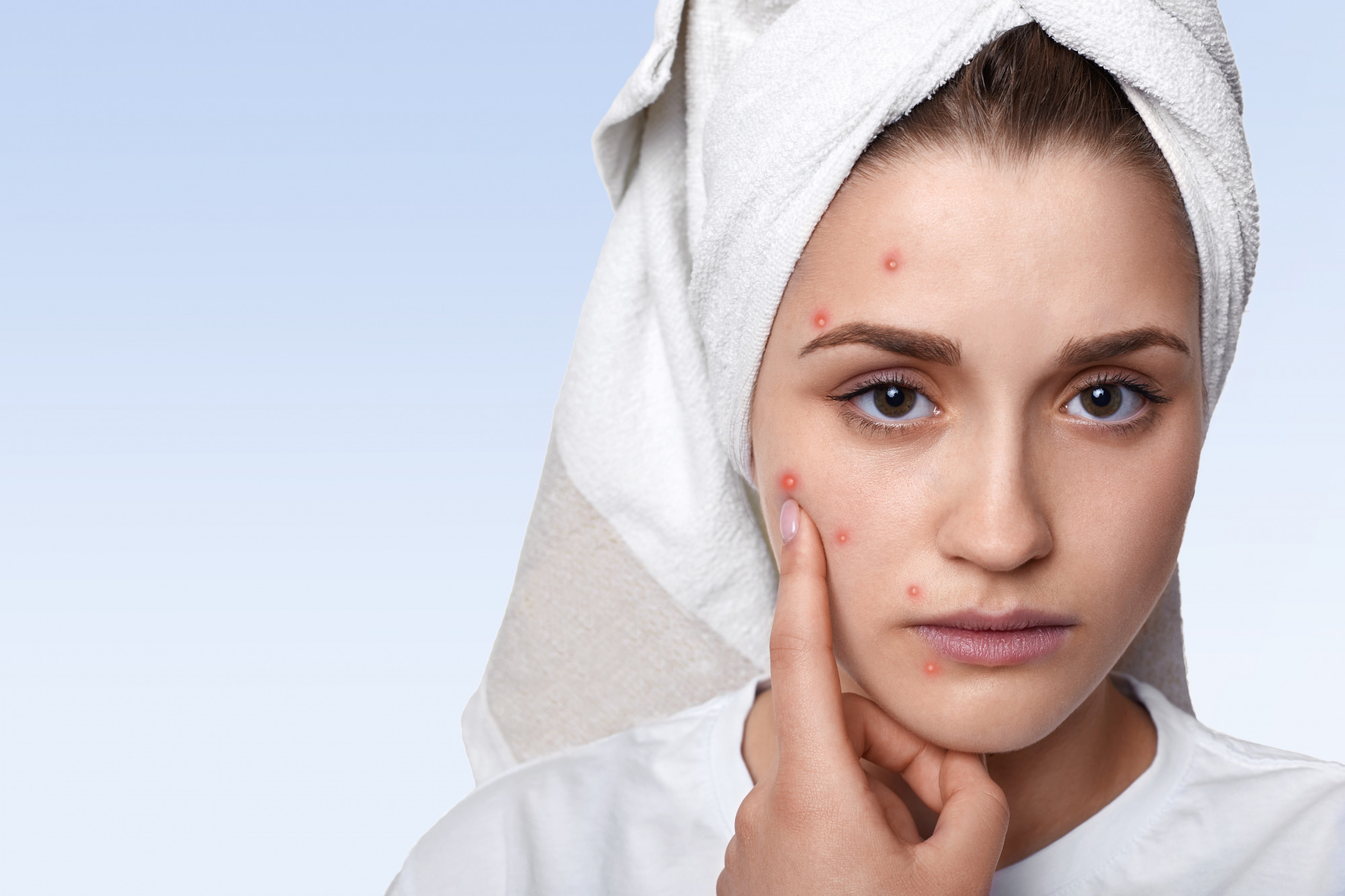
Many people blame their latest breakout on yesterday's stressful presentation or last week's exam pressure. While stress feels like the obvious culprit when pimples appear during challenging times, the relationship between mental pressure and skin problems runs deeper than most realise.
"Does stress cause pimples?" is not a simple yes-or-no question. The connection involves complex hormonal pathways, inflammatory responses, and behavioural changes that create the perfect storm for acne flare-ups. Understanding this relationship helps you take control of both your mental well-being and skin health.
Understanding Pimples and Acne
Acne develops when hair follicles become clogged with oil, dead skin cells, and bacteria, creating various types of lesions that range from mild comedones to severe cystic formations. This common skin condition affects people of all ages, though it peaks during adolescence and can persist into adulthood.
What Are Pimples and How Do They Develop?
Pimples form through a multi-step process that begins in your hair follicles. Your sebaceous glands produce sebum, an oily substance that normally helps protect your skin. When these glands produce too much oil, it mixes with dead skin cells and creates a plug that blocks the pore.
The blocked follicle becomes an ideal environment for Propionibacterium acnes (P. acnes) bacteria to multiply. These bacteria trigger an inflammatory response, causing the red, swollen bumps we recognise as pimples. This process can happen at any age, though hormonal changes during puberty activate sebaceous glands more intensely.
Types of Pimples and Acne Severity
Dermatologists classify acne lesions into several distinct categories based on their appearance and severity. Understanding these differences helps determine appropriate treatment approaches.
The following table outlines the main types of acne lesions:
| Blackheads | Dark spots with open pores | Mild |
| Whiteheads | Flesh-coloured closed bumps | Mild |
| Papules | Small red, tender bumps | Moderate |
| Pustules | Pus-filled lesions with white centres | Moderate |
| Nodules | Large, painful lumps under the skin | Severe |
| Cysts | Deep, pus-filled lesions | Severe |
Disclaimer: Severity classifications may vary based on individual assessment. Consult a dermatologist for a proper diagnosis.
Does Stress Cause Pimples?
Can stress cause pimples directly? Current research indicates that stress doesn't create acne in people with completely clear skin, but it significantly worsens existing breakouts and triggers new flare-ups. The relationship works through multiple biological pathways that affect oil production, inflammation, and healing processes.
The Science Behind Stress and Skin
When you experience stress, your body activates the hypothalamic-pituitary-adrenal (HPA) axis, releasing hormones that prepare you for fight-or-flight responses. This ancient survival mechanism affects your skin in ways that can worsen acne.
Studies consistently show strong correlations between stress levels and acne severity. Indian research found a significant association of acne with stress (P = 0.001), providing statistical evidence for what many people experience personally.
The bidirectional relationship creates a challenging cycle: stress worsens acne, while having acne creates more stress. This psychological burden affects 29% of children whose quality of life is directly impacted by their skin condition.
How Stress Hormones Affect Sebum Production
Cortisol, your primary stress hormone, directly stimulates sebaceous glands to produce more sebum. This increased oil production creates ideal conditions for pore clogging and bacterial growth. The oil produced under stress also tends to be thicker and stickier, making it harder for your skin to naturally shed dead cells.
Corticotropin-releasing hormone (CRH) acts as the coordinator for your stress response. Beyond triggering cortisol release, CRH directly affects sebaceous glands, increasing both oil production and inflammatory responses in your skin.
Inflammation and Slower Healing Due to Stress
Stress hormones promote inflammation throughout your body, including your skin. This inflammatory response makes existing pimples redder, more swollen, and more painful. Can stress cause pimples on the face to worsen beyond their typical severity? Absolutely, through these inflammatory pathways.
Research demonstrates that psychological stress can delay wound healing by up to 40%, meaning your acne lesions take longer to resolve. This delayed healing allows more time for bacterial infection and increases the risk of scarring.
Factors That Contribute to Pimples Alongside Stress
Multiple factors work together with stress to create and worsen acne breakouts. Understanding these contributors helps you develop a comprehensive approach to clearer skin.
Hormones and Genetic Factors
Androgens like testosterone increase sebum production, particularly during puberty and menstrual cycles. If both your parents had acne, you face a higher chance of developing it too, as genetic variations affect how your sebaceous glands respond to hormonal triggers.
Indian studies show that 48% of patients had first-degree relatives with present or past acne history, confirming the strong hereditary component of this condition.
Environmental and Lifestyle Influences
Your daily environment and habits significantly impact acne development. Indian cultural practices sometimes contribute to skin problems, with 40% of patients reporting aggravation after using cosmetics, including skin-lightening agents and traditional oils.
Key lifestyle factors include:
- High-glycemic foods that spike insulin levels
- Dairy products that may increase inflammation
- Pollution exposure that clogs pores
- Smoking, reported in 14% of acne patients
- Inadequate sleep that disrupts hormone balance
Other Acne Aggravators Like Heat, Sweating, and Skincare Habits
Heat and humidity create challenging conditions for acne-prone skin.
% of patients experienced exacerbations after sweating, while 26.4% noticed worsening following sun exposure.
Stress often leads to poor skincare habits, including:
- Neglecting regular cleansing routines
- Compulsive skin picking (dermatillomania)
- Using harsh products that strip skin barriers
- Touching the face more frequently
Managing Stress to Improve Skin Health
Effective stress management forms a crucial part of comprehensive acne treatment. The connection between mental well-being and skin health means addressing both aspects simultaneously often yields better results than focusing on skincare alone.
Effective Stress-Reduction Techniques
Daily stress management practices help lower cortisol levels and reduce acne flare-ups.
Evidence-based techniques include:
- Meditation and mindfulness: Even 10 minutes daily can lower stress hormones
- Deep breathing exercises: Activate parasympathetic nervous system responses
- Yoga: Combines physical activity with stress reduction
- Regular exercise: Improves hormone balance and reduces inflammation
- Adequate sleep: 7-8 hours nightly supports skin repair processes
Given that 53% of urban Indians experienced stress impacting their daily lives, implementing these techniques becomes particularly important for overall health.
Lifestyle Changes to Support Clearer Skin
Supporting your skin health requires consistent lifestyle modifications that address both stress and acne triggers:
Dietary Modifications:
- Choose low-glycemic foods like whole grains and vegetables
- Include anti-inflammatory foods rich in omega-3 fatty acids
- Stay well-hydrated throughout the day
- Limit dairy and high-sugar processed foods
Skincare Routine:
- Use gentle, non-comedogenic cleansers twice daily
- Apply moisturiser appropriate for your skin type
- Never skip sunscreen, even on cloudy days
- Avoid touching or picking at your face
When to Seek Professional Help for Acne
Professional intervention becomes necessary when over-the-counter treatments fail after several weeks of consistent use. Warning signs that require dermatological consultation include:
- Painful, cystic lesions that don't respond to home treatment
- Scarring or dark spots from previous breakouts
- Acne affecting self-esteem or causing social withdrawal
- Persistent breakouts lasting more than three months
Common Treatments for Pimples and Acne
Effective acne treatment often requires a combination of topical medications, lifestyle changes, and sometimes systemic therapies. The approach varies based on severity, skin type, and individual response patterns.
Over-the-Counter Options
Several proven ingredients are available without a prescription for mild to moderate acne:
| Benzoyl Peroxide | Kills bacteria, reduces oil | Inflammatory acne |
| Salicylic Acid | Unclogs pores, exfoliates | Blackheads, whiteheads |
| Adapalene | Normalises skin cell turnover | Comedonal acne |
| Azelaic Acid | Reduces bacteria, inflammation | Sensitive skin types |
Disclaimer: Effectiveness may vary by individual. Start with lower concentrations to minimise irritation.
Prescription Treatments Depending on Severity
Moderate to severe acne often requires prescription medications. Dermatologists typically follow a stepwise approach, starting with topical treatments and progressing to systemic options when necessary.
Topical retinoids remain first-line therapy, often combined with benzoyl peroxide or antibiotics to enhance effectiveness. For severe cases, oral isotretinoin provides powerful results under careful medical supervision.
The Role of Dermatologists in Acne Management
Dermatologists provide comprehensive care that addresses both immediate treatment needs and long-term skin health. They can identify triggers specific to Indian skin types, which may present differently with more post-inflammatory hyperpigmentation.
Professional treatment becomes particularly important given that acne affects quality of life and can lead to permanent scarring without proper intervention.
Your Path to Healthier Skin Coverage
Taking care of your skin health involves more than just topical treatments and stress management. Comprehensive healthcare coverage ensures you can access professional dermatological care when needed, without worrying about the financial burden of ongoing treatments.
While stress can aggravate pimples and acne flare-ups, a simple way to stay stress-free is with Royal Sundaram health insurance, which handles major illnesses and health worries so you can focus on clear skin and daily wellness.
Frequently Asked Questions
Stress alone doesn't typically create acne in people with completely clear skin, but it significantly worsens breakouts in those already prone to acne by increasing oil production and inflammation.
Cortisol stimulates sebaceous glands to produce more sebum, making skin oilier and more likely to clog pores, while also promoting inflammatory responses that worsen existing lesions.
Yes, stress hormones can delay wound healing by up to 40%, meaning acne lesions persist longer and are more likely to become infected or leave scars.
Regular exercise, 7-8 hours of sleep, meditation, yoga, a low-glycaemic diet, and consistent, gentle skincare routines all help reduce stress-related acne flares.
Stress-worsened acne responds to standard treatments like topical retinoids and benzoyl peroxide, but addressing stress simultaneously through therapy or stress management techniques improves long-term outcomes.
Yes, consistent stress management through relaxation techniques, adequate sleep, and regular exercise often leads to fewer and milder breakouts over time.
Heat and humidity increase sweating and oiliness, making pore clogging more likely, especially when stress has already elevated sebum production and inflammatory responses.

Discover the perfect insurance plan for you!
Get your free quote now!
Get StartedBy Clicking on Get Started, You agree to our Terms and Conditions and override DNC/NDNC registration.
More like this
View more