You have been Successfully Subscribed to Newsletter


Why Horse Gram Is Good for Your Health
May 15, 2026 • 15 Min Read
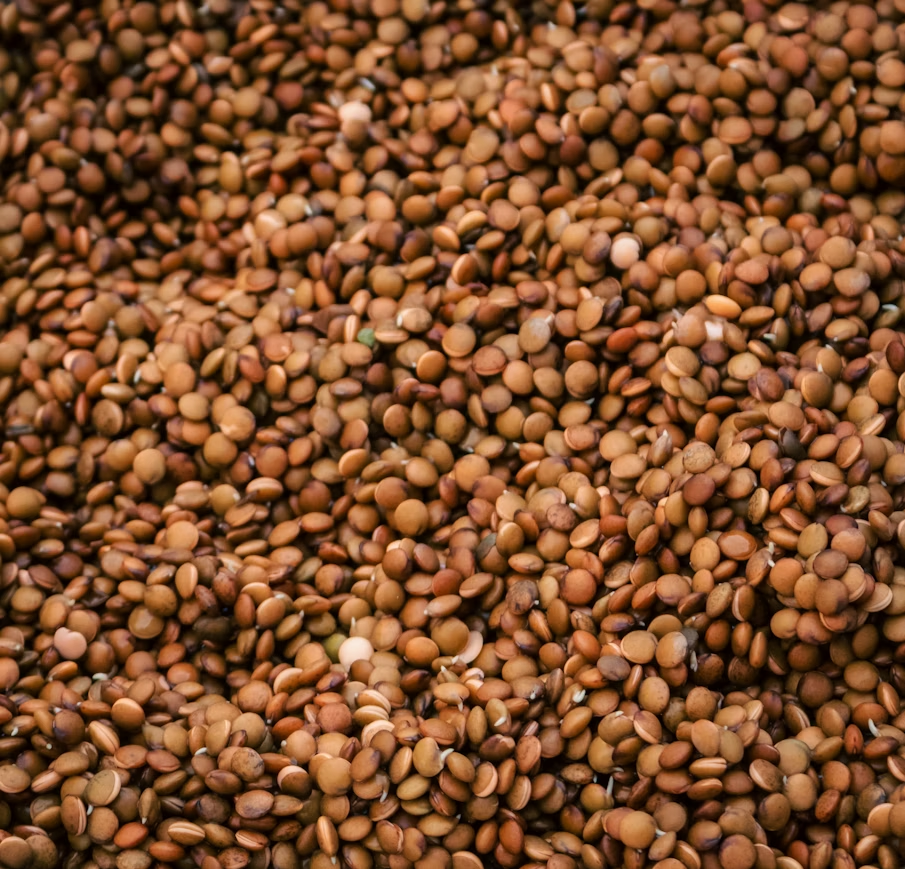
What is horse gram? Known scientifically as Macrotyloma uniflorum, this humble legume packs more protein than most pulses and delivers unique therapeutic compounds found nowhere else. From supporting weight loss to preventing kidney stones, horse gram benefits extend far beyond basic nutrition, offering natural solutions for modern health challenges.
What is Horse Gram?
Horse gram (also known as kollu) represents one of nature's most resilient nutritional gifts, combining ancient wisdom with modern health science. This remarkable legume has sustained populations through droughts and famines while providing exceptional therapeutic benefits that continue to amaze researchers today.
Botanical Overview and Origin
Horse gram originated in Peninsular India and spread throughout tropical southern Asia as a cornerstone crop. This perennial climbing plant grows to approximately 60 cm in height, featuring compound trifoliate leaves and small yellowish flowers that develop into brown pods containing the nutritious seeds. Key botanical characteristics include:
- Self-pollinating annual herb
- Drought-resistant capacity through antioxidant and osmolyte biosynthesis (the cellular process where small organic molecules like proline, sugars, and polyols are created to manage water balance and protect cells from environmental stresses)
- Nitrogen-fixing properties that enrich soil fertility
- Natural pest resistance due to dual-function proteins
Different Names Across Regions
Horse gram's cultural significance spans India's diverse linguistic landscape, reflecting its widespread acceptance and traditional importance. The following table shows regional variations:
|
|
|
|---|---|
| Tamil Nadu | (Kollu) |
| Karnataka | (Hurali) |
| Kerala | (Muthira) |
| Andhra Pradesh | (Ulavalu) |
| Maharashtra | (Hulage) |
| Odisha | (Kolatha) |
Nutritional Profile of Horse Gram
Horse gram delivers exceptional nutritional density, containing more protein than most legumes while maintaining remarkably low fat content.
Macronutrients: Protein, Carbohydrates, Fat and Fibre
Horse gram's macronutrient profile positions it as an ideal protein source for vegetarian diets and weight management programmes. The high protein content supports muscle development while complex carbohydrates provide sustained energy release.
|
|
|
|---|---|
| Protein | 22 g |
| Carbohydrates | 58 g |
| Dietary Fibre | 5.3-16.3 g |
| Fat | 0.6 g |
| Calories | 321 kcal |
The protein content ranges from 22-24%, placing horse gram among the highest protein legumes available. This complete amino acid profile makes it particularly valuable for growing children and active adults, though it remains low in methionine and tryptophan.
Key Micronutrients: Calcium, Iron, Phosphorus, Vitamins
Horse gram provides exceptional mineral density, particularly calcium content that surpasses most other legumes. This mineral profile supports bone health, blood formation, and numerous metabolic processes.
|
|
|
|
|---|---|---|
| Calcium | 269 mg | Highest among legumes, bone health |
| Iron | 8.76 mg | Prevents anaemia, oxygen transport |
| Phosphorus | 296 mg | Bone/teeth health, energy production |
| Thiamine (B1) | 0.32 mg | Energy metabolism support |
| Riboflavin (B2) | 0.24 mg | Cellular energy production |
| Niacin (B3) | 1.82 mg | Nervous system function |
An essential trace mineral, molybdenum, rarely found in significant amounts in other foods, supports enzyme function and helps process toxins.
Phytonutrients and Antioxidants
Horse gram contains powerful bioactive compounds that provide disease protection and anti-ageing benefits. These natural plant chemicals work as potent antioxidants, protecting cells from oxidative damage and supporting longevity.
Key phytonutrients include multiple phenolic acids such as vanillic, caffeic, p-coumaric, ferulic, and syringic acids. Flavonoids like quercetin, kaempferol, and myricetin provide anti-inflammatory and cardiovascular protection.
Health Benefits of Horse Gram
Horse gram offers scientifically backed health benefits that address modern lifestyle challenges.
Supports Weight Loss and Metabolism
Horse gram benefits include powerful weight management properties through multiple mechanisms.
- Thermogenic Effects: Natural fat-burning properties attack fatty tissues directly
- Metabolic Boost: Enhanced calorie burning throughout the day
- Satiety Enhancement: High protein and fibre content reduces overall food intake
- Blood Sugar Stability: Prevents insulin spikes that promote fat storage
Controls Blood Sugar and Insulin Resistance
Raw, unsprouted horse gram seeds lower the glycaemic index by delaying carbohydrate digestion and reducing insulin resistance. This makes horse gram particularly valuable for pre-diabetic and diabetic individuals seeking natural blood sugar management.
The bioactive phenolic acids and flavonoids help reduce blood sugar levels by inhibiting protein-tyrosine phosphatase 1 beta enzyme. Complex carbohydrates provide steady energy release without causing dangerous blood sugar spikes.
Promotes Heart Health by Lowering Cholesterol
Cardiovascular benefits of horse gram include significant improvements in lipid profiles. The dietary fibre reduces LDL cholesterol absorption while bioactive polyphenols and phytates manage cholesterol levels and elevate beneficial HDL cholesterol. Saponin compounds provide additional cholesterol-lowering and anti-inflammatory properties, supporting overall cardiovascular health through multiple pathways.
Aids Digestion and Relieves Constipation
High dietary fibre and resistant starch content make horse gram excellent for digestive health management. The fibre regulates bowel movements, alleviates constipation, and supports beneficial gut bacteria growth.
Traditional use includes treating flatulence, indigestion, and intestinal parasites. The prebiotic effects promote healthy gut microbiome balance, supporting overall digestive function and nutrient absorption.
Helps Prevent and Dissolve Kidney Stones
Powerful antioxidants inhibit calcium phosphate salt crystallisation while eliminating harmful free radicals from kidney cells. Traditional preparation methods maximise these benefits:
- Mild diuretic properties promote increased urine flow
- Tannins and saponins studied for stone formation inhibition
- Regular consumption helps maintain kidney health
Anti-Inflammatory and Immunity-Boosting Effects
Bioactive compounds provide natural anti-inflammatory properties that help reduce chronic inflammation and alleviate joint pain. The rich iron, zinc, and antioxidant content strengthen immune system function.
High vitamin C and iron content support proper immune function. Vitamin C is essential for immune system health, and iron is crucial for immune cell production and function.
Supports Bone Health and Menstrual Wellness
Horse gram contains the highest calcium amount among pulses, providing exceptional bone strengthening and fortification. Essential minerals like calcium, phosphorus, and magnesium contribute to bone density maintenance and osteoporosis prevention.
For women's health, horse gram helps provide relief from menstrual problems, including heavy bleeding, irregular periods, and severe cramps. Iron helps maintain haemoglobin levels while its natural emmenagogue properties stimulate healthy menstrual flow.
Respiratory Benefits: Cold, Cough and Asthma Relief
Ayurvedic medicine recommends horse gram soup for common cold, fever, bronchitis, and asthma relief. The warming nature helps extract phlegm, control fever, and reduce respiratory congestion.
Traditional preparation combines boiled horse gram with pepper for asthmatic patients, providing natural bronchodilation and anti-inflammatory effects for respiratory comfort.
Liver Detoxification and Skin Health
Raw seeds contain flavonoids and polyphenols safeguard the liver and gall bladder filtering functions. Antioxidants and phytochemicals protect liver cells, neutralise free radicals, and reduce oxidative stress.
High antioxidant content may protect skin cells from oxidative damage, while essential minerals and vitamins support skin vitality. Astringent properties help treat skin conditions and maintain a healthy complexion.
Therapeutic Potential and Medicinal Uses
Horse gram's therapeutic applications extend far beyond basic nutrition, offering clinically studied compounds that support various health conditions. Traditional medicine systems have recognised these benefits for millennia.
Traditional and Ayurvedic Applications
In Ayurveda, horse gram balances Vata and Kapha doshas through its warming, grounding properties. The spicy taste (katu rasa) and astringent after-digestion (kashaya rasa) enhance digestive fire (Agni) and stimulate metabolism. Traditional therapeutic uses include:
- Kidney Stones and Urinary Diseases: Primary traditional application
- Respiratory Conditions: Cough, asthma, bronchitis relief
- Digestive Disorders: Piles, constipation, indigestion
- Inflammatory Conditions: Joint pain, swelling reduction
Bioactive Compounds and Their Effects
Horse gram contains an impressive array of bioactive substances that provide therapeutic effects. The phenolic compounds, including kaempferal-3-O-β-D-glucoside, β-sitosterol, and stigmasterol, help the body by slowing the growth of harmful cells and fighting off germs that can cause infections. The comprehensive bioactive profile includes:
- Phenolics and flavonoids: For antioxidant protection
- Alkaloids and carotenoids: For cellular health
- Prebiotics and dietary fibres: For gut health
- Tannins and phytosterols: For cholesterol management
- Saponins and terpenoids: For anti-inflammatory effects
How to Use Horse Gram
Proper preparation maximises horse gram benefits while minimising digestive discomfort. Traditional methods reduce anti-nutrients and improve the bioavailability of essential nutrients.
Preparation Methods
Always soak horse gram overnight for 8-12 hours to reduce anti-nutritional chemicals like phytic acid and proteolytic enzyme inhibitors. Pressure cook with three cups of water for 4-5 whistles, adding salt only after cooking to prevent hardening.
- Soaking: 12-18 hours; optimum duration
- Sprouting: Drain, cover in cloth for 24-36 hours
- Cooking: High-temperature short-time (HTST) treatment reduces phytic acid
Sprouted horse gram provides enhanced nutrition and easier digestibility compared to unsprouted varieties.
Popular Dishes and Recipes
Regional cuisines showcase horse gram's versatility through time-tested recipes that maximise both flavour and nutrition. These traditional preparations often combine complementary ingredients that enhance digestibility and therapeutic benefits.
|
|
|
|
|---|---|---|
| Kollu Rasam | Horse gram water, tamarind, spices | Digestive, respiratory health |
| Protein Soup | Cooked gram, onion, garlic, pepper | Weight management, satiety |
| Healthy Paratha | Gram flour, wheat, vegetables | Complete protein, fiber |
| Traditional Sundal | Sprouted gram, coconut, spices | Easy digestion, probiotics |
Rasam preparation uses the nutrient-rich cooking water, ensuring no minerals are lost. The cooked horse gram can be used for other dishes, maximising nutritional value from each batch.
Ready-to-Eat and Value-Added Products
Modern food processing creates convenient horse gram products without compromising nutrition. Idly premix with rice, black gram dal, and horse gram shows high acceptability with enhanced protein content and a one-month shelf life.
Bread enriched with horse gram germinated flour provides higher protein, fat, fibre, polyphenols, and antioxidants. Ready-to-eat products like instant soup mix, cookies, and biscuits offer convenient nutrition for vulnerable populations.
Possible Side Effects and Precautions
Understanding kollu benefits and side effects ensures safe consumption while maximising health benefits.
Phytic Acid and Anti-Nutrients Impact
Phytic acid inhibits protein digestibility and reduces the bioavailability of calcium, zinc, iron, and magnesium. This anti-nutrient causes the 'hard-to-cook' phenomenon and decreases mineral absorption rates. Reduction strategies include:
- Soaking activates phytase to neutralise phytic acid.
- Sprouting significantly decreases anti-nutrient content.
- Cooking and roasting further reduce problematic compounds.
- De-husking removes the outer layers containing the highest concentrations.
Digestive Issues: Flatulence and Bloating
Horse gram contains natural plant-based sugars called raffinose oligosaccharides that may cause gas and bloating during digestion, especially in large amounts. High fibre and oligosaccharide content can lead to digestive discomfort without proper preparation. Management strategies:
- Start with small portions and gradually increase intake.
- Always soak before cooking to reduce the natural plant-based sugars called oligosaccharides that cause excessive bloating and gas.
- Use digestive spices like cumin, ginger, and asafoetida.
- Consume sprouted versions for better digestibility.
Allergy Risks
Some individuals may experience allergic reactions, including itching, swelling, and difficulty breathing. Rare cases of legume allergy require careful monitoring after initial consumption.
Warning signs include skin rashes, digestive upset, or respiratory symptoms following consumption. Discontinue use and consult healthcare providers for severe reactions.
Recommended Consumption Guidelines
Moderate consumption remains key to enjoying kollu benefits while avoiding potential side effects. Individual tolerance varies based on digestive health, preparation methods, and overall diet composition.
Consume horse gram moderately during pregnancy, as large amounts could increase body heat unnecessarily. Pregnant women should consult healthcare providers before adding significant amounts to their diet. Avoid horse gram if you have:
- Active gout (high uric acid levels)
- Hyperacidity or gastric ulcers
- Bleeding disorders
- Known legume allergies
Disclaimer: Consumption recommendations are for general guidance. Consult healthcare providers for personalised dietary advice.
Agricultural and Environmental Significance
Horse gram cultivation supports sustainable agriculture while providing food security in challenging environments.
Drought Resistance and Soil Health Benefits
Horse gram thrives in extreme heat and prolonged drought periods through antioxidant and osmolyte biosynthesis capabilities. This drought-resistant capacity allows cultivation in sub-humid to semi-arid climates with a minimal 300-600 mm annual rainfall.
As a leguminous crop, horse gram adds nitrogen to soil, increasing fertility and enriching soil organic carbon content. This supports succeeding crop growth while reducing environmental pressure on agricultural systems and decreasing chemical fertiliser requirements.
Use as Forage and Cover Crop
At all growth stages, stems, leaves, and young pods provide valuable animal fodder. Intercropping with maize reduces labour costs for de-weeding while naturally suppressing weed growth.
Your Path to Wellness
Horse gram may look simple, but it delivers powerful benefits, from weight loss and better sugar control to stronger bones and improved digestion. When you soak it well and enjoy it in traditional dishes like kollu rasam or sundal, you get maximum nutrition with minimal discomfort. Whether you're looking to boost everyday wellness, support specific health goals, or add a resilient superfood to your routine, horse gram fits naturally into your Indian kitchen and lifestyle.
Horse gram benefits extend beyond nutrition to include natural health protection, but unexpected health challenges can still arise. Comprehensive health insurance ensures medical expenses don't burden your family during health emergencies. Secure your family's health and financial future with Royal Sundaram Health Insurance today.
FAQs
Yes, horse gram supports weight loss through high protein content that increases satiety hormones while reducing hunger hormones.
Horse gram helps control blood sugar by slowing carbohydrate digestion and reducing insulin resistance.
Soak horse gram for 12-18 hours, then pressure cook or sprout for enhanced nutrition. Soaking reduces anti-nutrients like phytic acid, while sprouting increases bioavailability and digestibility of essential nutrients.
Kollu side effects include potential digestive discomfort from natural plant-based sugars called oligosaccharides, which cause gas and bloating. Proper soaking and gradual introduction minimise these effects.
Horse gram demonstrates antiurolithiatic activity, making kidney stones soluble while preventing new formation. Traditional use includes diuretic properties that promote urine flow, with tannins and saponins inhibiting stone formation.
Horse gram can be part of a healthy daily diet due to its high nutritional value. Start with 30-50 g daily, maintaining moderation to avoid digestive discomfort. Pregnant women and those with hyperacidity should exercise caution with quantities.
Ayurvedic medicine uses horse gram for kidney stones, respiratory conditions like asthma and bronchitis, digestive disorders, and as a natural detoxifier.
Horse gram provides the highest calcium content among legumes, plus phosphorus and magnesium for optimal bone density. This combination supports bone strength, prevents osteoporosis, and provides essential minerals for maintaining healthy skeletal structure throughout life.

Discover the perfect insurance plan for you!
Get your free quote now!
Get StartedBy Clicking on Get Started, You agree to our Terms and Conditions and override DNC/NDNC registration.
More like this
View more