You have been Successfully Subscribed to Newsletter


How Is Chemotherapy Done: Everything You Need to Know
June 02, 2026 • 15 Min Read
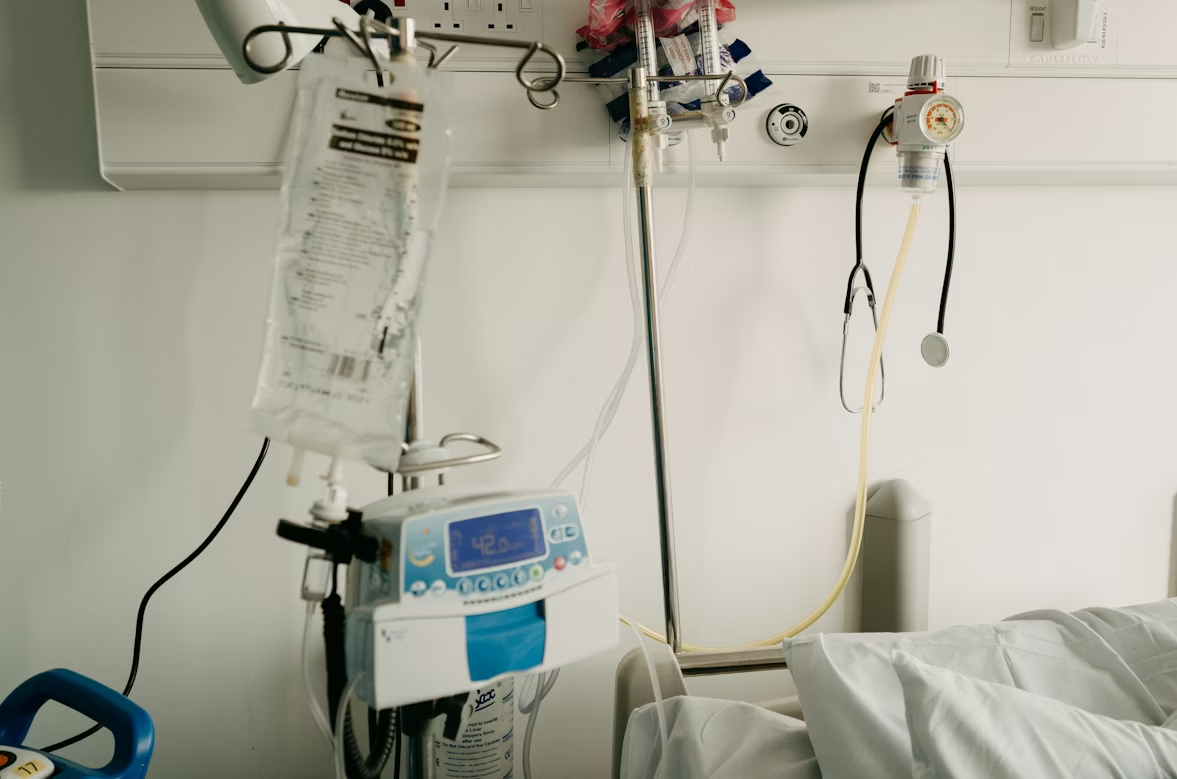
Cancer treatment can feel overwhelming when you first hear the word "chemotherapy." Many patients and families worry about what lies ahead, but understanding the process helps reduce anxiety and builds confidence. With that, understanding how chemotherapy is done becomes a crucial question for millions facing cancer diagnosis each year.
The good news is that chemotherapy has helped countless people fight cancer successfully. With proper preparation, expert medical care, and the right support system, you can carry out this journey with knowledge and hope. This guide walks you through every step of the process, from initial preparation to recovery.
What Is Chemotherapy?
Chemotherapy uses powerful medicines to target and destroy cancer cells throughout your body. Unlike surgery that removes tumours from specific areas, chemotherapy travels through your bloodstream to reach cancer cells wherever they hide. This systemic approach makes it particularly effective for treating cancers that have spread or might spread to other parts of your body.
Purpose of Chemotherapy
Understanding how chemotherapy is given begins with knowing why doctors recommend it. Chemotherapy serves several important purposes in cancer treatment, each tailored to your specific situation and cancer type. The primary goals include:
- Curative Treatment: Eliminates all cancer cells to cure the disease completely
- Adjuvant Therapy: Destroys remaining cancer cells after surgery or radiation
- Neoadjuvant Treatment: Shrinks tumours before surgery to make removal easier
- Palliative Care: Controls cancer growth and relieves symptoms to improve quality of life
According to the Indian Council of Medical Research (ICMR), over 14 lakh new cancer cases were diagnosed in India in 2023. This alarming statistic highlights why effective treatments like chemotherapy remain crucial for saving lives. The latest projections show India could face 2.46 million cancer cases by 2045 if current trends continue.
Types of Chemotherapy Drugs
More than 100 different chemotherapy medicines are available today, each working in unique ways to fight cancer. Doctors often combine two or three medications to create more powerful treatment plans that attack cancer cells through multiple mechanisms.
Here's how chemotherapy drugs are categorised:
|
|
|
|
|---|---|---|
| Alkylating Agents | Damage DNA to prevent cell division | Cyclophosphamide, Carboplatin |
| Antimetabolites | Block nutrients cancer cells need | 5-fluorouracil, Methotrexate |
| Plant Alkaloids | Stop cell division process | Paclitaxel, Vincristine |
| Anthracyclines | Damage DNA and block enzymes | Doxorubicin, Epirubicin |
| Targeted Therapy | Attack specific cancer cell features | Trastuzumab, Imatinib |
Disclaimer: Treatment options and drug availability may vary. Please consult your oncologist for personalised recommendations.
Your treatment team selects drugs based on:
- Type and stage of your cancer
- Previous treatments you've received
- Your body's ability to handle side effects
- How well your organs function
- Your age and overall health status
Single-agent chemotherapy uses one drug, often chosen for specific cancer types that respond well to particular medications. Combination chemotherapy uses multiple drugs simultaneously, creating a stronger attack against cancer cells while potentially reducing resistance. Your oncologist reviews your complete medical history before designing your personalised treatment plan.
Preparing for Chemotherapy
Proper preparation sets the foundation for successful chemotherapy treatment. Your medical team conducts thorough evaluations to ensure your body can handle the treatment safely while maximising its effectiveness. This preparation phase typically takes several days to weeks, depending on your specific situation.
Medical Tests and Assessments
These tests help doctors adjust dosages and watch for potential complications during treatment. Essential pre-chemotherapy assessments include all or some of these tests depending on your condition:
- Blood Tests and Laboratory Work: Complete Blood Count (CBC), Liver Function Tests, Kidney Function Tests, Blood Sugar and Clotting Tests
- Imaging and Diagnostic Studies: CT scans, MRIs, X-rays, PET scans, Bone scans, Biopsy confirmation of cancer type and characteristics
- Organ Function Evaluations: Heart function tests (ECG, echocardiogram), Lung function tests, hearing tests, fertility assessments if you're of childbearing age
Your doctor reviews all results before finalising your treatment plan. If any tests show concerning values, treatment might be delayed until those issues are addressed.
Consultations and Treatment Planning
Your oncology team includes specialists who work together to create your personalised treatment strategy. This collaborative approach ensures you receive the most effective care while minimising risks and side effects. The treatment planning process involves:
-
Oncologist Consultation
- Reviews your medical history and test results
- Explains treatment options and expected outcomes
- Discusses potential side effects and management strategies
- Answers your questions and addresses concerns
-
Nursing Education Sessions
- Teaches you about your specific medications
- Explains what to expect during treatment sessions
- Provides emergency contact information
- Demonstrates self-care techniques
-
Pharmacy Team Involvement
- Reviews your current medications for interactions
- Explains how to take oral chemotherapy safely
- Provides information about drug storage and handling
- Discusses cost considerations and insurance coverage
-
Support Services Introduction
- Connects you with social workers for financial assistance
- Arranges nutritionist consultations for dietary guidance
- Provides information about support groups and counselling
- Explains available transportation and accommodation services
Lifestyle and Diet Recommendations
Preparing your body and mind for chemotherapy treatment requires attention to nutrition, physical fitness, and emotional well-being. These preparations help you tolerate treatment better and recover more quickly between cycles.
|
|
|
|
|---|---|---|
| Proteins | Dal, eggs, paneer, lean meats | Raw or undercooked items |
| Fruits & Vegetables | Fresh, cooked vegetables, peeled fruits | Raw salads, unwashed produce |
| Hydration | Water, fresh juices, clear soups | Alcohol, excessive caffeine |
| Grains | Whole grains, rice, bread | Spicy or heavily processed foods |
Disclaimer: Dietary recommendations may vary based on individual health conditions. Consult your healthcare team for personalised advice.
Besides this,
- Get adequate rest and maintain regular sleep schedules
- Exercise lightly as approved by your doctor
- Practice stress-reduction techniques like meditation
- Prepare comfortable items for treatment sessions (blankets, pillows, entertainment)
- Stock up on easy-to-prepare, nutritious foods
- Consider hair loss options like wigs, scarves, or hats
- Organise important documents and insurance information
Doctor-prescribed medications might include anti-nausea drugs to take before treatment and supplements to support your immune system. Follow these recommendations carefully to optimise your body's ability to handle chemotherapy effectively.
How Is Chemotherapy Administered?
This varies based on the specific drugs prescribed, your cancer type, and your overall health status. Most chemotherapy administration happens in outpatient settings, allowing you to return home the same day.
Common Methods of Delivery (IV, Oral, Injection)
Different administration routes ensure chemotherapy reaches cancer cells effectively while minimising unnecessary side effects. Some of these include:
- Intravenous (IV) Administration: This is the most common method that delivers drugs directly into your bloodstream through a vein, usually in your arm. IV chemotherapy ensures rapid distribution throughout your body and allows precise dosage control.
- Oral Chemotherapy: Pills or capsules that you take by mouth offer convenience for certain cancer types. These medications require careful timing and specific storage conditions. You must follow exact instructions about when to take them relative to meals and other medications.
-
Injection Methods: Some of these are:
- Intramuscular: Direct injection into muscle tissue (leg or buttock)
- Subcutaneous: Injection just under the skin using very fine needles
- Intrathecal: Direct delivery into spinal fluid for brain or spinal cancers
- Intraperitoneal: Administration directly into the abdominal cavity
- Topical Applications: Creams or gels applied directly to skin lesions for certain skin cancers. This localised approach minimises systemic side effects while targeting specific areas.
What Happens During a Chemotherapy Session
A typical chemotherapy session follows established protocols designed to ensure your safety while delivering effective treatment. Here's what you can expect:
Pre-Treatment Assessment (30-60 minutes):
- Vital signs monitoring (blood pressure, pulse, temperature, weight)
- Review of any symptoms or side effects since your last treatment
- Blood tests to check your body's readiness for chemotherapy
- Discussion of any concerns or questions you might have
Treatment Preparation:
- Verification of your identity and treatment plan
- Preparation of your specific chemotherapy drugs in the pharmacy
- Setup of IV equipment if needed
- Administration of pre-medications to prevent nausea or allergic reactions
Drug Administration Phase:
The actual
chemotherapy delivery varies significantly in duration. Some treatments take 30 minutes,
while others require several hours of continuous infusion.
Monitoring During Treatment:
- Continuous observation by trained nursing staff
- Regular vital sign checks
- Immediate intervention if any adverse reactions occur
- Comfort measures like blankets, positioning aids, or entertainment
Post-Treatment Observation:
- Monitoring period after drug administration completes
- Assessment for immediate side effects or reactions
- Instructions for home care and when to contact your team
- Scheduling of your next appointment
Use of Ports and Catheters
For patients requiring multiple chemotherapy sessions, vascular access devices provide more comfortable and reliable drug delivery. These devices eliminate the need for repeated needle insertions and reduce the risk of vein damage from powerful medications.
|
|
|
|
|
|---|---|---|---|
| Peripheral IV | Arm or hand vein | Single session | Removed after each use |
| PICC Line | Arm vein to superior vena cava | Weeks to months | Weekly flushing required |
| Central Catheter | Chest insertion to major vein | Months | Regular flushing needed |
| Implantable Port | Surgically placed under chest skin | Years | Monthly flushing when not in use |
Disclaimer: Device selection depends on treatment duration, individual patient factors and the physician’s clinical judgment. This information is provided for your awareness only. Discuss options with your oncology team.
Duration and Frequency of Treatment Cycles
Chemotherapy follows carefully planned cycles that balance treatment effectiveness with your body's need for recovery. Each cycle includes active treatment days followed by rest periods. The rest phase allows your healthy cells to recover while maintaining pressure on cancer cells. Most patients receive treatment every 2-3 weeks, though some protocols use different schedules.
|
|
|
|
|---|---|---|
| Every 2 weeks | Treatment day 1, rest 13 days | Aggressive protocols |
| Every 3 weeks | Treatment day 1, rest 20 days | Standard regimens |
| Weekly | Treatment 3 weeks, rest 1 week | Continuous therapy |
| Daily oral | Daily pills with periodic breaks | Maintenance therapy |
Disclaimer: Actual schedules vary based on individual treatment plans. This information is provided for your awareness only. Follow your oncologist's specific recommendations.
Monitoring Between Cycles: Regular blood tests during rest periods track your recovery and determine readiness for the next treatment. If your blood counts drop too low or you develop complications, your doctor might delay treatment until you recover adequately.
Dose Modifications: Based on how you respond to treatment and manage side effects, your oncologist might adjust drug doses or timing. These modifications optimise your treatment while maintaining your safety and quality of life. Most patients complete their full course of chemotherapy as planned, though individual experiences vary.
Side Effects and Management
Chemotherapy affects rapidly dividing cells throughout your body, which explains why side effects occur. While cancer cells are the primary target, other fast-growing cells like those in your hair, digestive system, and bone marrow also get affected.
Common Side Effects
Side effects vary significantly between individuals and depend on the specific drugs you receive, their dosages, and your overall health. Some effects appear immediately, while others develop gradually over several treatment cycles. A study of 76 cancer patients tracked side effects for six months after chemotherapy initiation, recording symptoms like diarrhoea, vomiting, chest pain, constipation, breathing difficulties, fatigue, mouth sores, and skin rashes.
Immediate Side Effects (within hours to days):
- Nausea and vomiting
- Fatigue and weakness
- Loss of appetite
- Diarrhoea or constipation
- Mouth sores and taste changes
Short-term Effects (days to weeks):
- Hair loss from scalp and body
- Increased infection risk due to low white blood cell counts
- Easy bruising and bleeding from low platelet counts
- Anaemia causing breathlessness and weakness
- Skin and nail changes
Long-term Effects (months to years):
- Chronic fatigue can persist after treatment
- Peripheral neuropathy causing numbness in hands and feet
- May have memory and concentration problems ("chemo brain")
- Heart, lung, or kidney function changes
- Fertility and reproductive health impacts
Note: Not everyone experiences all possible side effects, and the severity varies greatly between patients. This information is provided for informational purposes only and should not replace medical advice from your healthcare provider.
How to Manage Side Effects
Indian oncology centres increasingly adopt integrative approaches combining medical treatments with yoga, meditation, and personalised nutrition plans. These holistic methods help patients manage side effects while supporting overall well-being during treatment. Your healthcare team provides specific strategies tailored to your treatment plan and individual needs.
Nausea and Vomiting Management:
- Take anti-nausea medications exactly as prescribed
- Eat small, frequent meals rather than large portions
- Choose bland foods like crackers, toast, or rice
- Stay hydrated with clear fluids, ice chips, or ginger tea
- Avoid strong smells and greasy or spicy foods
Fatigue and Energy Conservation:
- Plan important activities for times when you feel strongest
- Take short naps (20–30 minutes) rather than long sleeps during the day
- Ask family and friends to help with household tasks
- Gentle exercise like short walks can actually boost energy
- Prioritise activities that matter most to you
Infection Prevention Strategies:
- Wash hands frequently with soap and water
- Avoid crowds and people with colds or flu
- Cook food thoroughly and avoid raw items
- Keep your living space clean
- Report fever, chills, or signs of infection immediately
Hair Loss Coping Methods:
- Consider cutting hair short before treatment begins
- Explore wig options, scarves, hats, or going bald
- Use gentle, fragrance-free shampoos
- Protect your scalp from sun exposure and cold
- Remember that hair typically grows back after treatment
Mouth Care and Nutrition:
- Use soft-bristled toothbrushes and gentle toothpaste
- Rinse with salt water or prescribed mouthwashes
- Choose soft, moist foods that are easy to swallow
- Avoid alcohol, tobacco, and very hot or cold foods
- Stay well-hydrated to prevent dry mouth
Disclaimer: This information is provided for your awareness only and should not be considered medical advice. Please consult your doctor for customised guidance and treatment plan.
When to Contact Your Doctor
If you are undergoing treatment, seek medical attention immediately if you experience any sudden, severe, or worsening symptoms such as high fever, signs of infection, unusual bleeding, chest pain, difficulty breathing, severe pain, confusion, or persistent vomiting.
For ongoing issues like nausea, diarrhoea, mouth sores, swelling, dehydration, uncontrolled pain, or noticeable changes in energy, mood, sleep, skin, or overall well-being, consult your doctor or care team promptly. Always follow your healthcare provider’s specific advice, as individual symptoms and responses to treatment can vary.
After Chemotherapy: What to Expect
Completing your chemotherapy treatment marks a significant milestone, but recovery continues long after your last session.
Recovery Time and Monitoring
Your oncology team schedules frequent follow-up appointments to track your recovery progress and watch for any concerning changes. The recovery process requires patience as your body heals at its own pace. Some people feel significantly better within months, while others need a year or more to feel fully recovered.
|
|
|
|
|---|---|---|
| Immediate Recovery | 2–4 weeks | Energy slowly returns, acute side effects fade |
| Short-term Recovery | 3–6 months | Significant improvement in strength and function |
| Long-term Recovery | 6–12 months | Continued healing, gradual return to normal activities |
| Extended Recovery | 1+ years | Full recovery for some, ongoing effects for others |
Disclaimer: Recovery timelines are estimates and vary greatly between individuals. Follow your healthcare team's guidance for your specific situation.
Long-term Effects
While many chemotherapy side effects resolve after treatment ends, some effects can persist for months or years. Some common long-term effects include:
- Peripheral Neuropathy: Numbness, tingling, or pain in hands and feet that may be permanent
- Cognitive Changes: Memory problems, difficulty concentrating, or "chemo brain"
- Fatigue: Chronic tiredness that persists long after treatment
- Heart Problems: Some drugs can weaken heart muscle or affect heart rhythm
- Secondary Cancers: May cause small increased risk of developing different cancers years later
- Age-Related Considerations: Older patients may face higher risks of long-term complications, particularly heart problems and cognitive changes. The risk of infertility also increases with age at the time of chemotherapy treatment.
Follow-up Care and Support
Comprehensive follow-up care ensures early detection of any problems while supporting your transition back to normal life. Regular appointments typically start frequently and gradually space out over time. Initial visits might occur monthly, then every three months, and eventually annually, depending on your cancer type and risk factors.
- Medical Monitoring: Physical exams, blood tests, and imaging studies to detect any cancer recurrence
- Side Effect Management: Ongoing treatment for persistent symptoms and complications
- Wellness Promotion: Guidance on nutrition, exercise, and lifestyle modifications
- Psychological Support: Counselling services and support groups for emotional adjustment
- Rehabilitation Services: Physical therapy, occupational therapy, and cognitive rehabilitation
Your Path to Comprehensive Health Protection
Cancer treatment costs in India can be overwhelming. Newer therapies like targeted treatment and immunotherapy can even exceed ₹10 lakh, making financial protection crucial for families facing a cancer diagnosis.
Royal Sundaram General Insurance understands these challenges and provides comprehensive health coverage designed to support you through cancer treatment and recovery. With over two decades of trusted service and a high claim settlement ratio, we ensure you can focus on healing rather than financial worries.
Our health insurance plans offer coverage for cancer care, including cashless hospitalisation, subject to policy terms. Select plans may also cover pre- and post-hospitalisation expenses, annual health check-ups, and second opinions for critical illnesses, along with additional benefits. Don't let financial concerns delay your cancer treatment. Contact Royal Sundaram today to explore our health insurance plans and secure comprehensive protection for you and your family.
Frequently Asked Questions About Chemotherapy
This depends on the specific drugs and administration method. Most sessions range from 30 minutes to several hours. Oral medications take just minutes to consume, while IV treatments requiring continuous infusion can last 4-8 hours. Your oncology team provides specific timing information for your treatment plan.
Generally, this varies based on drug type and cancer location. The main methods include intravenous (IV) through arm veins, oral pills or capsules, intramuscular injections into muscle tissue, subcutaneous injections under the skin, and topical creams for skin cancers.
Not all chemotherapy causes hair loss. Your doctor explains whether your specific treatment affects hair growth. If hair loss occurs, it typically begins 2-3 weeks after starting treatment and hair usually regrows after treatment ends.
Preparation includes completing required blood tests and organ function assessments, attending education sessions with your healthcare team, arranging transportation and support at home, stocking up on recommended foods and medications, and preparing comfort items for treatment sessions. Physical preparation involves staying hydrated, eating nutritiously, and getting adequate rest.
Recovery typically occurs in phases over 6-12 months, with gradual improvement in energy levels and reduction of side effects. You'll need regular follow-up appointments for monitoring, may experience some long-term effects like fatigue or neuropathy, and should maintain healthy lifestyle habits.
Some chemotherapy medications can be taken orally at home, including pills and capsules prescribed by your oncologist. However, you must follow strict safety guidelines for handling, storage, and disposal of these medications.
Dosage calculations consider your body surface area, weight, height, overall health status, kidney and liver function, previous treatment history, and specific cancer characteristics. Your oncologist may adjust doses based on how well you tolerate treatment and your blood test results.
Essential precautions include avoiding crowds and sick people to prevent infections, practicing frequent handwashing, eating only thoroughly cooked foods, reporting fever or unusual symptoms immediately, staying hydrated, protecting your skin from sun exposure, and following specific guidelines for handling oral chemotherapy safely.

Discover the perfect insurance plan for you!
Get your free quote now!
Get StartedBy Clicking on Get Started, You agree to our Terms and Conditions and override DNC/NDNC registration.
More like this
View more