You have been Successfully Subscribed to Newsletter


How to Check Your Thyroid Report
June 02, 2026 • 15 Min Read
Your thyroid gland controls your body's energy levels, weight, and overall health. When this butterfly-shaped gland at the base of your neck doesn't work properly, it affects millions of Indians daily. According to recent studies, 42 million people in India suffer from thyroid diseases, making thyroid testing crucial for early detection and proper treatment.
Learning how to check thyroid report empowers you to understand your health better and coordinate effectively with your doctor. This guide explains everything you need to know about reading your thyroid test results, from basic hormone levels to complex antibody markers.
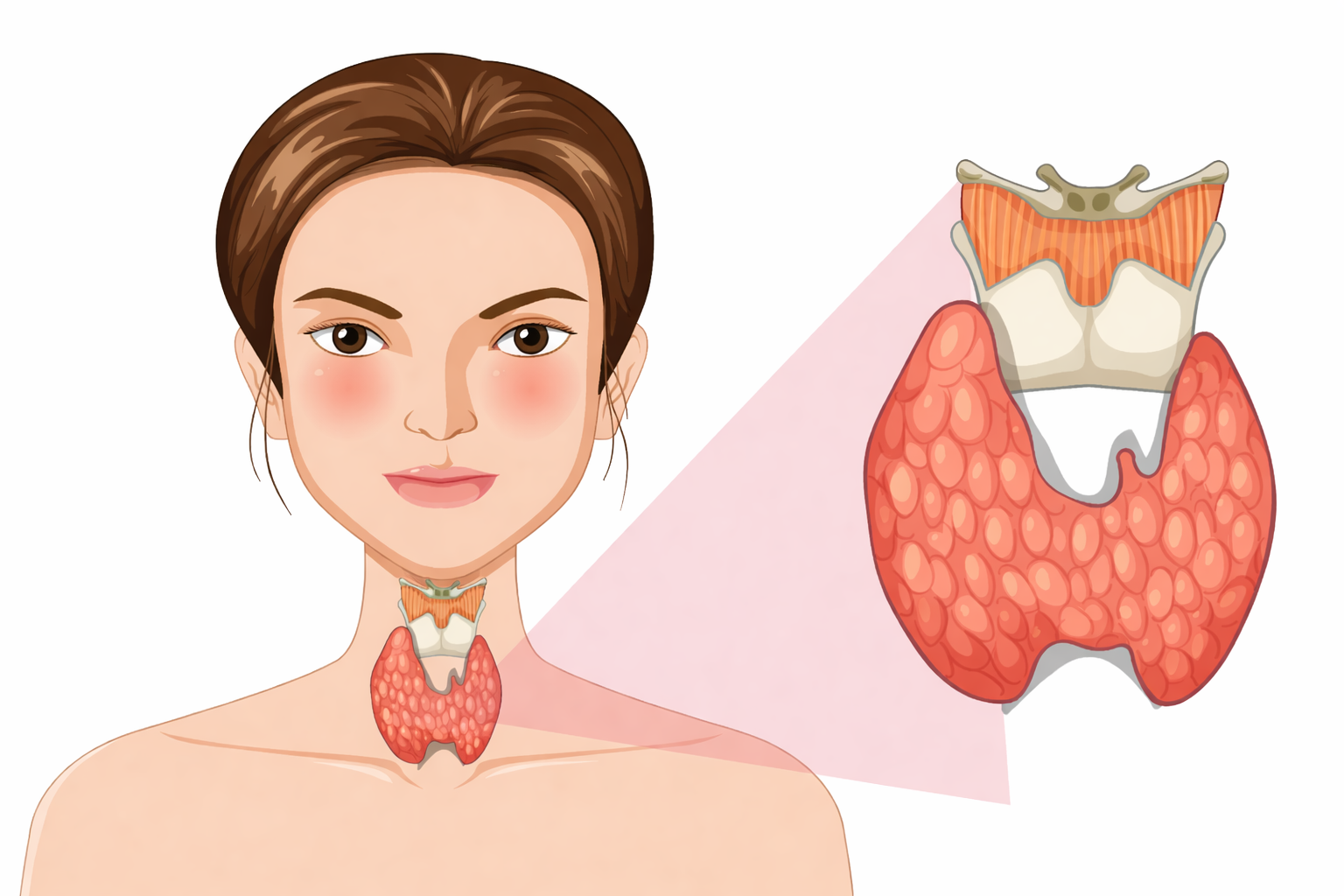
What is a Thyroid Report?
A thyroid report contains blood test results that measure how well your thyroid gland functions and produces essential hormones. This comprehensive examination enables doctors to diagnose thyroid disorders and monitor treatment progress effectively.
Purpose of Thyroid Testing
The primary purpose of thyroid testing is to diagnose disorders by measuring Total T3, Total T4, and TSH hormone levels in your blood. Doctors recommend these tests when you experience unexplained symptoms such as fatigue, weight changes, mood swings, or temperature sensitivity. So, what are thyroid tests used specifically for? The scope is comprehensive, including detecting both underactive (hypothyroidism) and overactive (hyperthyroidism) thyroid conditions.
Once treatment begins, doctors typically prescribe follow-up testing every six months to monitor the effectiveness of the medication and adjust dosages accordingly. This regular monitoring ensures optimal thyroid hormone levels throughout your treatment journey.
Common Thyroid Tests Included
Standard thyroid profiles include three essential tests that work together to provide a complete picture of your thyroid health:
- TSH (Thyroid Stimulating Hormone): Measures how your brain signals the thyroid gland.
- Total T3 (Triiodothyronine): Evaluates active thyroid hormone levels.
- Total T4 (Thyroxine): Assesses primary thyroid hormone production.
These tests typically provide results within 24 to 48 hours, making quick diagnosis possible for timely treatment decisions.
Key Components in a Thyroid Report
Understanding each component of your thyroid report helps you recognise potential health issues and track treatment progress. Each hormone serves specific functions and provides unique insights into your thyroid health.
TSH (Thyroid Stimulating Hormone)
TSH represents the best indicator of thyroid function, as your brain's pituitary gland produces this hormone to control thyroid activity. So, what is the normal TSH value? It ranges from 0.4 to 5.2 mU/L in adults. When TSH levels rise above normal, it typically indicates hypothyroidism, while low levels suggest hyperthyroidism.
Your doctor will usually order TSH testing first because it provides the most reliable assessment of thyroid function. This hormone acts as your body's thyroid thermostat, increasing when more thyroid hormones are needed and decreasing when levels are adequate.
Free T3 and Total T3
T3 represents one of two main hormones your thyroid gland produces, with normal ranges typically falling between 100 and 200 nanograms. Your liver converts T4 into T3, making it the more active form of thyroid hormone. When doctors suspect hyperthyroidism but T4 levels appear normal, T3 testing helps confirm the diagnosis.
Total T3 measures both bound and free hormones in your bloodstream, providing comprehensive insight into thyroid hormone availability for your body's cells. While bound T3 is associated with a protein, there is no association in Free T3. The Free T-3 test, as its name suggests, is used to measure only the free amount of T3.
Free T4 and Total T4
T4 serves as the primary hormone your thyroid produces, regulating metabolism throughout your body. This hormone circulates in two forms: bound T4 (stored until needed) and free T4 (immediately available for tissue use). Both measurements help doctors understand your thyroid's production capacity and hormone availability.
Free T4 testing proves particularly valuable because it measures only the active hormone available to your cells, regardless of protein binding variations that can affect total T4 results.
Thyroid Antibodies (TPO, TgAb)
Antibody tests detect autoimmune thyroid conditions where your immune system attacks thyroid tissue. Anti-thyroid peroxidase (TPO) antibodies, with normal levels below 30 IU/mL, often indicate Hashimoto's thyroiditis when elevated. Anti-thyroglobulin antibodies (TgAb), normally under 4 IU/mL, help diagnose various autoimmune thyroid disorders.
These tests prove essential for identifying the underlying causes of thyroid dysfunction and determining appropriate treatment approaches.
Other Relevant Markers
Additional markers may include thyroid-stimulating immunoglobulin (TSI) and thyrotropin receptor antibodies (TRAb) for suspected Graves' disease. About 95% of Graves' disease patients show elevated TRAb levels, making this test highly diagnostic for this specific condition.
How to Interpret Thyroid Test Results
Interpreting thyroid results requires understanding reference ranges and recognising patterns that indicate specific disorders. Each laboratory may have slightly different normal ranges, so always compare your results with the specific ranges provided on your report.
Normal vs. Abnormal Reference Ranges
Most laboratory reports include normal reference ranges alongside your results, but expert interpretation remains essential for accurate diagnosis. Normal ranges generally include:
|
|
|
|---|---|
| TSH | 0.4-5.2 μIU/mL |
| T3 | 100-200 ng/dL |
| T4 | 0.9-1.7 ng/dL |
| TPO Antibodies | <35 IU/mL |
Disclaimer: Ranges shown above are for adults and may vary between laboratories. Consult your doctor for proper interpretation.
What High or Low Levels Mean
Elevated TSH levels typically indicate hypothyroidism (underactive thyroid), while decreased TSH suggests hyperthyroidism (overactive thyroid). Low T4 and T3 levels confirm hypothyroidism, often caused by Hashimoto's disease, iodine deficiency, or thyroid inflammation.
Conversely, elevated T4 and T3 levels indicate hyperthyroidism, potentially resulting from Graves' disease, excess iodine intake, or thyroid nodules producing excessive hormones.
Common Thyroid Disorders Indicated by Results
Specific result patterns help identify particular thyroid conditions:
|
|
|
|---|---|
| Hashimoto's Disease | High TSH, Low T4, Elevated TPG Antibodies |
| Graves' Disease | Low TSH, High T¾, positive TRAb |
| Subclinical Hypothyrodism | Slightly elevated TSH, normal T4 |
| Subclinical Hyperthyrodism | Low TSH, normal T3/T4 |
Factors That Can Affect Thyroid Test Accuracy
Several factors can influence your thyroid test results, potentially leading to inaccurate readings if not managed properly. Understanding these variables helps ensure reliable test outcomes.
Medications and Supplements
Biotin supplements can falsely alter thyroid function tests, so avoid taking biotin for two days before testing. Steroids and opioid painkillers may also cause falsely low TSH levels. Always inform your doctor about all medications and supplements you're taking before thyroid testing.
Timing of the Test
Morning blood collection, preferably around 8:00 a.m., provides the most reliable TSH measurements since hormone levels fluctuate throughout the day. TSH levels peak in the early morning, making this timing optimal for accurate assessment.
Consistency in testing time becomes particularly important for follow-up tests, as it enables reliable comparison of results over time.
Health Conditions Influencing Results
Pregnancy significantly affects thyroid hormone levels due to hormonal changes, requiring pregnancy-specific reference ranges. Acute illness and stress can temporarily suppress thyroid hormone levels, potentially masking true thyroid function.
Recent studies show that food intake can suppress TSH levels regardless of fasting status, though fasting isn't typically required for thyroid testing.
When to Consult Your Doctor About Your Thyroid Report
Recognising when to seek medical attention for thyroid issues ensures timely treatment and prevents complications. Certain symptoms and test results warrant immediate medical consultation.
Symptoms Matching Abnormal Results
Contact your doctor if you experience fatigue, unexplained weight changes, feeling excessively cold or hot, dry skin, anxiety, insomnia, or rapid heartbeat alongside abnormal thyroid results. These symptoms often correlate with specific thyroid disorders and require professional evaluation.
Hypothyroidism typically causes exhaustion and feeling worn out, while hyperthyroidism may produce jittery or nervous sensations.
Follow-Up Tests and Monitoring
The testing frequency depends on the patient's condition. Patients on thyroid medication need to undergo tests within 6-12 weeks. As the situation stabilises, they should opt for tests every 6-12 months. This monitoring schedule allows doctors to adjust treatment and ensure optimal hormone levels.
Treatment Options Overview
Hypothyroidism treatment involves thyroid hormone replacement therapy using synthetic T4 medications taken daily. Hyperthyroidism treatment may include medications to reduce hormone production, radioactive iodine therapy, or surgery in severe cases.
Treatment goals focus on normalising hormone levels and relieving symptoms while preventing long-term complications.
Tips for Preparing for Your Thyroid Test
Proper preparation ensures accurate thyroid test results and reliable health assessments. Following these guidelines helps optimise your testing experience.
Simple preparation steps include:
- Schedule morning appointments around 8:00 AM
- Inform your doctor about all medications and supplements
- Stay hydrated and relaxed before the test
- Maintain consistent timing for follow-up tests.
Fasting isn't typically required for thyroid testing unless your doctor specifically requests it for additional blood work.
Your Path to Comprehensive Health Protection by Royal Sundaram
Understanding how to check thyroid report represents just one aspect of maintaining optimal health. With India's thyroid testing market estimated to have grown to USD 55.3 million in 2025 and likely to reach USD 97.2 million by 2035, one would likely bear constant expenses. This makes a comprehensive health insurance policy increasingly important.
Royal Sundaram General Insurance offers robust health insurance coverage for any unexpected illnesses. The coverage includes pre- and post-hospitalisation expenses and other costs as specified in the health insurance policy. With a high claim settlement ratio and over 12,500 network hospitals across India, Royal Sundaram ensures you receive quality care while maintaining financial security.
Frequently Asked Questions (FAQs)
A high TSH level usually indicates an underactive thyroid (hypothyroidism), where the thyroid is not producing enough hormones. Doctors may recommend follow-up tests, such as Free T4 and thyroid antibodies, or repeat testing to confirm the cause.
Free T3 and Free T4 show the active thyroid hormones available to the body, making them crucial for assessing actual thyroid function. They help distinguish between different types of thyroid disorders when TSH is abnormal.
Yes, medications and supplements such as levothyroxine, biotin, steroids, amiodarone, and iodine can interfere with thyroid test results. Always inform your healthcare provider about all medicines and supplements before testing.
Thyroid antibodies help detect autoimmune thyroid diseases like Hashimoto’s thyroiditis and Graves’ disease. Common tests include TPO antibodies and TgAb to identify immune-related thyroid damage.
Yes, thyroid levels can fluctuate due to illness, stress, medication changes, or natural hormonal shifts. Doctors often rely on multiple tests over time to monitor trends and disease progression.
Most thyroid blood test results are available within 24 hours. Turnaround time may vary depending on the lab, location, and whether antibody or specialised tests are included.
Symptoms, such as unexplained weight changes, fatigue, hair loss, heart palpitations, or sensitivity to cold or heat, may indicate thyroid dysfunction. Persistent or worsening symptoms should prompt timely thyroid testing.

Discover the perfect insurance plan for you!
Get your free quote now!
Get StartedBy Clicking on Get Started, You agree to our Terms and Conditions and override DNC/NDNC registration.
More like this
View more