You have been Successfully Subscribed to Newsletter


Is Jaggery Good for Diabetes? Understanding the Sweet Truth
June 23, 2026 • 15 Min Read
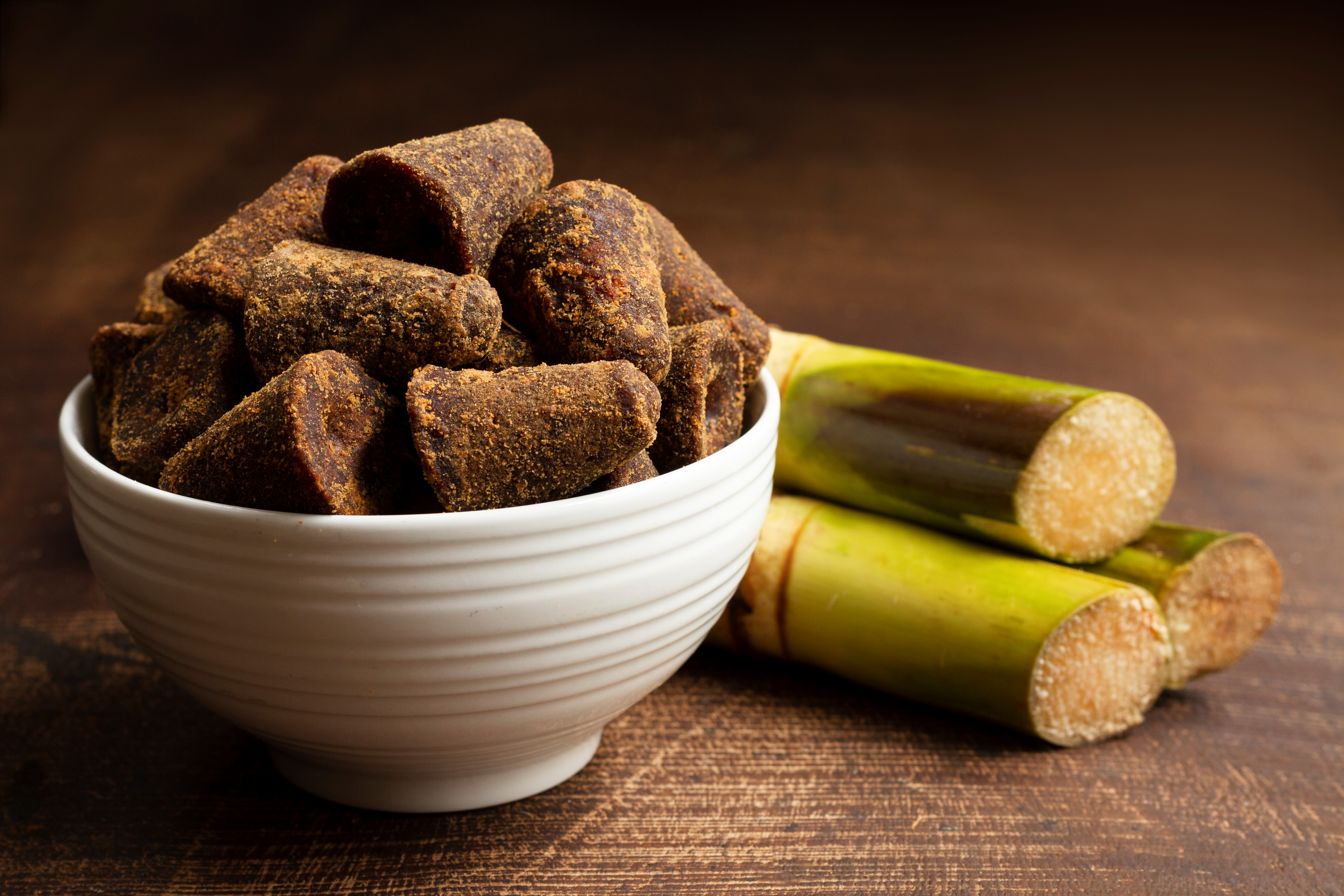
Jaggery also known as “Gur or “Gud”, has been used extensively over the years for its many benefits. Due to the wide use of jaggery in Ayurveda, it is also called “medicinal sugar”. Millions of Indians reach for jaggery believing it's a healthier alternative to sugar, especially those managing diabetes. This golden-brown sweetener, deeply rooted in our culinary traditions, carries the reputation of being "natural" and "nutritious". However, when blood sugar control becomes a daily battle, the question, "Is jaggery good for diabetes?" demands a science-based answer rather than assumptions.
Recent medical research reveals surprising truths about jaggery's impact on blood glucose levels that challenge popular beliefs. With diabetes affecting over 10.1 crore Indians according to recent government data, understanding the real effects of traditional sweeteners becomes a health priority that could influence millions of treatment decisions.
What Is Jaggery?
Jaggery stands as one of India's most traditional sweeteners, produced from sugarcane juice or palm sap through time-tested methods. This unrefined sugar holds cultural significance across Indian households, yet its composition reveals important facts for health-conscious consumers.
Definition and Types of Jaggery
Jaggery represents a concentrated form of unrefined sugar that retains more of its original plant compounds compared to processed white sugar. India produces approximately 55% of global jaggery, manufacturing over 10 million metric tonnes annually, making it the world's largest producer and consumer.
The three main forms of jaggery include:
- Solid Jaggery: The most common type, formed into blocks or cakes
- Liquid Jaggery: Syrup-like consistency, often used in beverages
- Granular Jaggery: Powdered form for easy mixing
How Jaggery Is Made
The traditional jaggery-making process involves extracting fresh juice from sugarcane, which undergoes filtration and boiling in wide, shallow iron pans. During boiling, manufacturers add natural clarifying agents like okra juice or soda to remove impurities. The continuous stirring process creates brown foam that gets removed regularly to achieve the characteristic golden-yellow colour.
Temperature control remains crucial, with the mixture heated to 118°C-120°C to reach the proper consistency. Once cooled, the liquid solidifies into blocks, ready for storage and distribution. This chemical-free process preserves more original nutrients compared to refined sugar production.
Nutritional Composition of Jaggery
Jaggery's nutritional profile differs significantly from refined sugar due to its minimal processing. Here's a breakdown of key nutrients per 100 grams how it fares against white sugar:
|
|
|
|
|---|---|---|
| Calories | 383 kcal | 387 kcal |
| Sucrose | 70–85% | 99.8% |
| Glucose & Fructose | 10–15g | 0 |
| Calcium | 40–100 mg | 1 mg |
| Iron | 10–13 mg | 0.01 mg |
| Potassium | 1056 mg | 2 mg |
| Magnesium | 70–90 mg | 0 mg |
| Phosphorus | 20–90 mg | 0 mg |
Despite these minerals, jaggery contains nearly identical calories to white sugar, with the majority of its composition being various forms of sugar.
Understanding Diabetes and Blood Sugar Regulation
Diabetes affects blood sugar regulation through insulin dysfunction, making dietary choices critically important for millions of Indians. The relationship between food consumption and blood glucose levels determines successful diabetes management strategies.
What Happens in Diabetes?
Diabetes occurs when your body cannot properly process glucose due to insulin problems. In healthy individuals, insulin helps transport sugar from blood into cells for energy. When diabetes develops, this system breaks down, causing persistent high blood sugar levels that damage organs over time.
Current statistics show diabetes prevalence at 4.90% among Indians aged 15-49 years based on the National Family Health Survey (NFHS-5). Alarmingly, nearly 25% of diabetic individuals remain undiagnosed, with higher rates among males at 28.82% compared to females at 24.22%.
India's position as the "diabetes capital" reflects several factors:
- Genetic predisposition in South Asian populations
- Rapid urbanisation and sedentary lifestyles
- Increased consumption of refined carbohydrates
- Rising obesity rates
- Limited awareness about early symptoms
Role of Diet in Blood Sugar Control
Your food choices directly influence blood glucose levels, making dietary management fundamental to diabetes control. Carbohydrate-rich foods cause the most significant blood sugar rises, requiring careful monitoring and planning.
Increasing white rice consumption is associated with a higher risk of type 2 diabetes. This pattern extends to other high-carbohydrate foods, including traditional sweeteners like jaggery. The key lies in understanding how different foods affect your individual blood sugar response.
Effective blood sugar management requires:
- Monitoring carbohydrate intake at each meal
- Understanding glycaemic index values of foods
- Balancing nutrients to slow glucose absorption
- Regular blood sugar testing after meals
- Working with healthcare providers for personalised plans
Is Jaggery Suitable for People with Diabetes?
Is jaggery safe for diabetes? The scientific evidence suggests caution. Despite its natural origins and mineral content, jaggery poses significant challenges for blood sugar control due to its high glycaemic index and sugar concentration.
Impact of Jaggery on Blood Sugar Levels
Jaggery demonstrates a glycaemic index of 84.4, significantly higher than white sugar's glycaemic index of approximately 65. This means jaggery causes faster and more pronounced blood sugar spikes than regular sugar, contradicting popular beliefs about its safety for diabetics.
Clinical observations reveal concerning patterns. A documented case study showed a 52-year-old woman with diabetes whose blood sugar spiked to 240 mg/dl within 30 minutes of consuming jaggery tea, despite her fasting level being 180 mg/dl. This rapid increase mirrors what occurs with refined sugar consumption.
The glycaemic response timeline shows the following:
|
|
|
|---|---|
| 15–30 minutes | Rapid rise begins |
| 30–60 minutes | Peak blood sugar levels |
| 60–120 minutes | Gradual decline |
| 2+ hours | Return to baseline |
Comparing Jaggery with Other Sweeteners
Understanding how jaggery compares to other sweetening options helps you make informed choices for diabetes management.
|
|
|
|
|
|---|---|---|---|
| Jaggery | 84.4 | 383 | Very High |
| White Sugar | 65 | 387 | High |
| Honey | 3 | 304 | High |
| Stevia | 0 | 0 | None |
| Monk Fruit | 0 | 0 | None |
Contrary to common beliefs, jaggery actually raises blood sugar more rapidly than white sugar or honey. The mineral content in jaggery cannot offset its high glycaemic impact, making it unsuitable as a "diabetic-friendly" alternative.
Safer alternatives include:
- Stevia: Plant-based, zero calories, no blood sugar impact
- Monk Fruit Extract: Natural, zero-calorie option
- Artificial Sweeteners: Sucralose and aspartame in moderation
Scientific Studies on Jaggery and Diabetes
Research consistently challenges the notion that jaggery serves as a healthy sugar substitute for diabetics. A controlled study comparing coconut jaggery with cane sugar found no significant difference in peak blood glucose concentrations or glucose response curves, concluding that coconut jaggery cannot be considered a healthy substitute for diabetics.
Health Benefits of Jaggery Beyond Sweetening
While problematic for diabetes management, jaggery does offer certain nutritional advantages over refined sugar that deserve recognition for general health discussions.
Micronutrients and Antioxidants in Jaggery
Jaggery's mineral profile surpasses that of refined sugar, providing essential nutrients often stripped during sugar processing. The iron content helps prevent anaemia, while calcium supports bone health. Magnesium contributes to nervous system function and muscle relaxation.
Key micronutrient benefits include the following:
- Iron (10-13 mg per 100 g): Supports haemoglobin production
- Calcium (40-100 mg per 100 g): Essential for bone strength
- Potassium (1056 mg per 100 g): Regulates blood pressure and heart function
- Magnesium (70-90 mg per 100 g): Supports muscle and nerve function
Jaggery also contains phenolic compounds (280-320 mg per 100 g) and functions as an antioxidant due to selenium content, helping neutralise harmful free radicals in your body.
Potential Advantages for Digestion and Immunity
Traditional medicine systems credit jaggery with digestive and immune-supporting properties . The presence of zinc and other minerals may help boost immunity when consumed in moderate amounts.
Traditional uses include:
- Post-meal consumption to aid digestion
- Combination with ginger for respiratory support
- Use during cold weather for warmth and energy
However, these benefits must be weighed against the significant blood sugar impact for individuals with diabetes.
Risks and Precautions When Consuming Jaggery with Diabetes
Glycaemic Index Considerations
Jaggery's glycaemic index of 84.4 places it in the high-GI category, meaning it causes rapid blood sugar increases. Foods with GI values above 70 are considered high-glycaemic and require careful consideration for diabetics.
The glycaemic index scale categorisation:
- Low GI (55 or less): Slower blood sugar rise
- Medium GI (56-69): Moderate blood sugar impact
- High GI (70+): Rapid blood sugar increase
Jaggery's position well above the high-GI threshold makes it particularly concerning for diabetes management.
Recommended Intake Limits
Medical experts recommend extreme caution regarding jaggery consumption for diabetics. The safest approach involves complete avoidance, but if consumed, strict limits apply.
Maximum recommended amounts:
- Absolute maximum: 1-2 teaspoons per day
- Frequency: Not daily consumption
- Monitoring: Mandatory blood sugar testing after consumption
- Medical approval: Required before including in diet
On days when you consume jaggery, reduce carbohydrate intake from other sources like rice, wheat, and millets to maintain overall carbohydrate balance.
Who Should Avoid Jaggery?
Certain individuals should completely avoid jaggery to prevent health complications:
- People with uncontrolled diabetes
- Individuals with frequent blood sugar fluctuations
- Those with diabetic complications (kidney, eye, or nerve damage)
- People with metabolic syndrome
- Individuals with insulin resistance
Is jaggery safe for diabetes? For high-risk groups, the answer remains a definitive no, regardless of portion size or timing.
How to Include Jaggery Safely in a Diabetic Diet
While not recommended, some individuals may choose to include minimal amounts of jaggery with proper precautions and medical supervision.
Portion Control Tips
If you decide to include jaggery despite medical advice against it, portion control becomes absolutely critical. Start with extremely small amounts and monitor blood sugar response carefully.
Practical measurement guidelines:
- Starting amount: 1/4 teaspoon (approximately 2-3 grams)
- Maximum amount: 1-2 teaspoons (10-15 grams) per day
- Testing protocol: Check blood sugar 30, 60, and 120 minutes after consumption
- Documentation: Keep detailed records of blood sugar responses
Best Pairings and Meal Timing
Combining jaggery with fibre and protein can help slow glucose absorption, though this doesn't eliminate the blood sugar impact. Consider pairing small amounts with nuts or consuming after fibre-rich meals.
Timing considerations:
- Avoid jaggery on an empty stomach
- Consider post-exercise consumption when insulin sensitivity is higher
- Never combine with other high-carbohydrate foods
- Avoid evening consumption to prevent overnight blood sugar elevation
Alternative Sweetening Options
Safer alternatives provide sweetness without blood sugar impact, making them more suitable for regular use in diabetic diets.
Zero-calorie natural options:
- Stevia: 200-300 times sweeter than sugar, requires tiny amounts
- Monk Fruit: Natural sweetener with zero glycaemic impact
- Erythritol: Sugar alcohol with minimal blood sugar effect
These alternatives allow you to enjoy sweetness while maintaining better blood sugar control.
Common Myths and Facts About Jaggery and Diabetes
Several persistent myths about jaggery and diabetes require clarification based on scientific evidence and medical research.
Myth 1: "Jaggery is safe because it's natural."
Fact: Natural doesn't mean diabetic-safe. Jaggery's high sugar content and glycaemic index create significant blood sugar spikes regardless of its natural origins.
Myth 2: "Jaggery is better than sugar for diabetics"
Fact: Jaggery actually has a higher glycaemic index than white sugar, making it worse for blood sugar control.
Myth 3: "Minerals in jaggery offset the sugar content."
Fact: The small amounts of minerals cannot counteract the substantial glucose load that jaggery delivers to your bloodstream.
Myth 4: "Small amounts of jaggery won't affect blood sugar."
Fact: Even small portions can cause measurable blood sugar increases due to the high glycaemic index.
Leading endocrinologists consistently advise against jaggery consumption for diabetics, stating that it raises blood glucose similarly to refined sugar. The "health halo" effect of jaggery often leads to overconsumption, creating additional risks for diabetes management.
Your Path to Comprehensive Health Protection
Managing diabetes requires vigilant attention to diet, regular monitoring, and comprehensive healthcare support. Understanding the real impact of foods like jaggery helps you make informed decisions about your health and wellbeing.
So, is jaggery good for diabetes? The evidence clearly indicates that jaggery poses significant risks for blood sugar control despite its traditional reputation as a healthier sweetener. The high glycaemic index and substantial sugar content make it unsuitable for regular consumption by individuals managing diabetes.
Royal Sundaram General Insurance recognises the growing health challenges facing Indians, particularly the diabetes epidemic affecting over 10.1 crore people nationwide. Our comprehensive health insurance plans provides a wide network of 12,500+ cashless hospitals across the country, pre and post hospitalisation coverage (number of days may vary according to the package), a wide array of plans to choose from.
Disclaimer: This article provides general information only and should not replace professional medical advice. Consult your healthcare provider before making dietary changes related to diabetes management.
Frequently Asked Questions
Yes. Jaggery is high in simple carbohydrates and has a high glycaemic index, leading to rapid blood sugar spikes—sometimes even faster than refined sugar. Diabetics should consume it very cautiously, if at all.
Not really. While jaggery contains trace minerals, it has similar calories and a comparable (or higher) glycaemic impact than white sugar, making it unsuitable as a safer alternative.
Ideally none. If consumed, limit it to 1–2 teaspoons occasionally, not daily, and monitor blood sugar levels closely.
Jaggery provides small amounts of minerals like iron and potassium, but these do not offset its high sugar content or support diabetes control.
No strong evidence. Studies show jaggery and sugar have similar effects on blood glucose, so it isn’t recommended for diabetes management.
Stevia, monk fruit, and erythritol are better options, as they have little to no impact on blood sugar. Artificial sweeteners can also be used in moderation.
Yes. Like other sugars, jaggery can spike blood glucose and insulin levels, which may worsen insulin resistance over time if consumed frequently.

Discover the perfect insurance plan for you!
Get your free quote now!
Get StartedBy Clicking on Get Started, You agree to our Terms and Conditions and override DNC/NDNC registration.
More like this
View more