You have been Successfully Subscribed to Newsletter


Is Pineapple Good for Weight Loss – Myths vs. Facts Revealed
June 22, 2026 • 15 Min Read
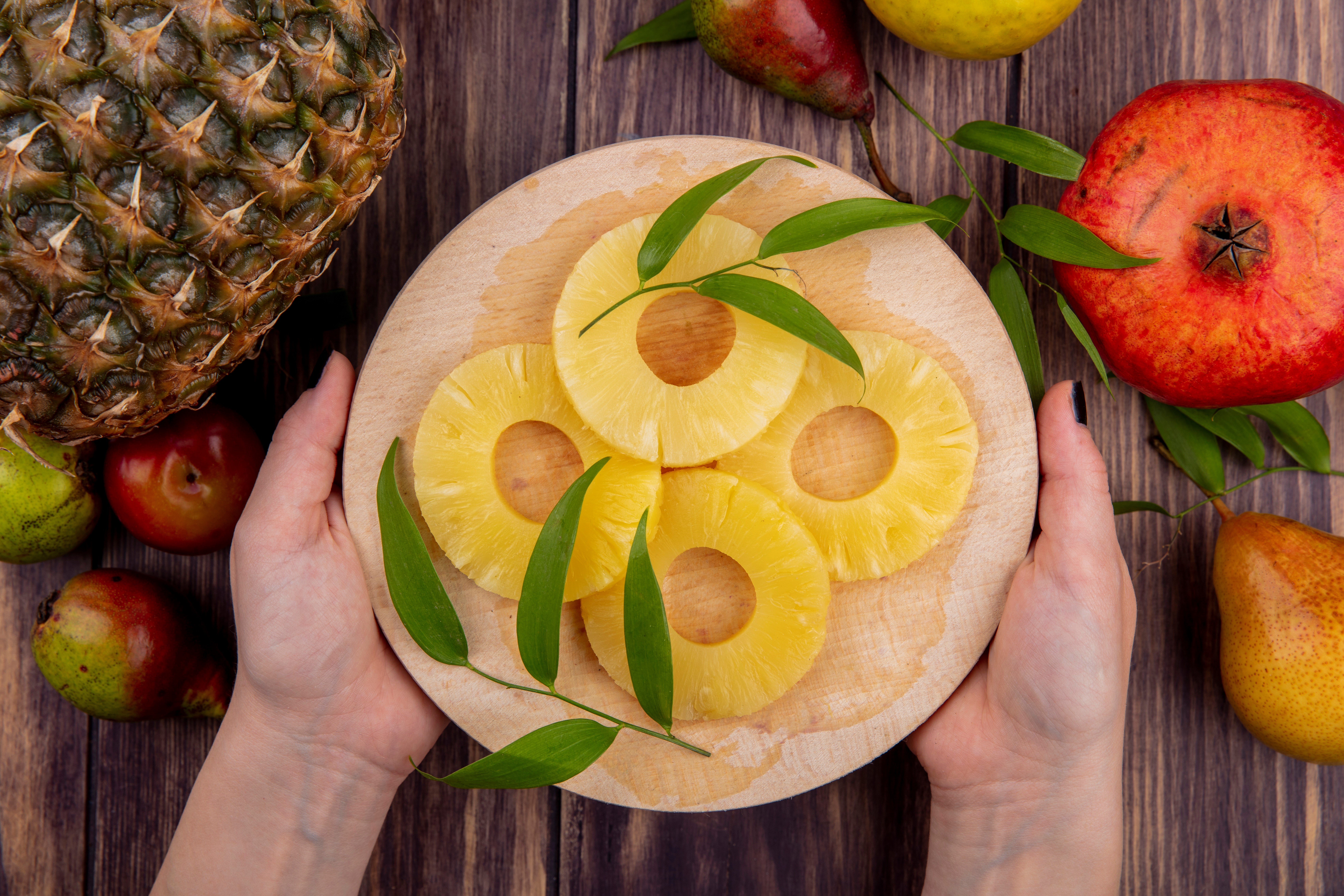
Is pineapple good for weight loss? Yes, but with realistic expectations. Fresh pineapple contains only 50 calories per 100g and provides bromelain enzymes that may support metabolism. Studies show bromelain can reduce weight gain in animal trials, though human research remains limited. With a rising number of Indians now obese or overweight, incorporating nutrient-dense, low-calorie foods like pineapple makes sense. However, pineapple alone won't melt fat; sustainable weight loss requires comprehensive lifestyle changes, including balanced nutrition and regular exercise.
Is pineapple helpful for weight loss? This thought might have crossed the minds of people who are looking to go on a healthy diet. Fresh pineapple offers a sweet, tropical solution that seems almost too good to be true. With its unique enzyme bromelain and low calorie count, this golden fruit has earned attention from health enthusiasts worldwide.
Recent statistics reveal alarming trends in Indian obesity rates. Overall weighted prevalence of overweight and obesity in males and females per NFHS-5 was 44.02% and 41.16%, respectively, compared to 37.71% and 36.14% in NFHS-4. Understanding how to use pineapple for weight loss becomes crucial as we search for natural, sustainable approaches to combat this growing health crisis.
What Is Pineapple?
Pineapple stands out as a tropical fruit packed with unique nutritional properties that make it particularly interesting for weight management. Unlike many fruits, pineapple contains bromelain, a special enzyme that breaks down proteins and supports digestive health.
Definition and Types of Pineapple
Fresh pineapple comes in several varieties, with the most common being the smooth cayenne variety found in Indian markets. This golden fruit contains approximately 86% water, making it naturally hydrating and filling. The fruit's sweet taste comes from natural sugars, but its high water and fibre content help slow sugar absorption.
Key characteristics include:
- Low energy density
- High water content (86%)
- Natural enzyme bromelain
- Sweet tropical flavour
- Available year-round in India
How Pineapple Is Made
Pineapples grow on plants that take 18-24 months to mature. India is the fifth largest producer of pineapple in the world with an annual output of about 1.2 million tonnes and ranked sixth with a share of about 8% of the world production of pineapples. This abundant local production means fresh pineapple remains accessible and affordable for Indians.
The fruit develops its characteristic sweetness and nutritional profile through natural ripening processes. Fresh, locally grown pineapples retain maximum bromelain content compared to imported varieties that may lose potency during transport.
Nutritional Composition of Pineapple
Understanding pineapple's nutritional profile helps explain why the question 'Is pineapple good for weight loss?' remains valid. Here's what makes this fruit special:
|
|
|
|---|---|
| Calories | 50 |
| Water | 86g |
| Carbohydrates | 13g |
| Dietary Fibre | 1.4g |
| Vitamin C | 47.8mg |
| Bromelain | 0.2–2mg (present in low values within the fruit and more within the stem ) |
Nutritional values may vary based on ripeness and variety.
The high vitamin C content supports immune function, while bromelain provides unique digestive benefits not found in other fruits. This combination creates a nutrient-dense, low-calorie option perfect for weight management plans.
Understanding Weight Loss and Blood Sugar Regulation
Weight loss fundamentally depends on creating a caloric deficit – burning more calories than you consume. Pineapple's role in this process comes from its low energy density and potential metabolic benefits.
What Happens in Weight Loss?
Your body burns stored fat when you consistently consume fewer calories than you need for daily activities. Pineapple supports this process by providing volume and sweetness with minimal calories. One cup of fresh pineapple contains just 82.5 calories, allowing you to feel satisfied without derailing your caloric goals.
The fruit's high fibre content (1.5 grams per cup) promotes satiety by slowing digestion and helping stabilise blood sugar levels. This prevents the hunger spikes that often sabotage weight loss efforts.
Role of Diet in Weight Control
Successful weight management requires choosing foods that provide maximum nutrition with minimum calories. Pineapple fits perfectly into this strategy. Its natural sweetness can satisfy sugar cravings while delivering essential vitamins and minerals your body needs during weight loss.
The bromelain enzyme may offer additional metabolic benefits. Research suggests this unique compound helps regulate fat cell formation and promotes fat breakdown, though more human studies are needed to confirm these effects.
Is Pineapple Suitable for People Trying to Lose Weight?
Pineapple can definitely support weight loss goals when consumed as part of a balanced diet. Its low calorie density and unique nutritional profile make it an excellent choice for those seeking sustainable weight management.
Impact of Pineapple on Metabolism
Bromelain, pineapple's signature enzyme, shows promising effects on metabolism and fat processing. Animal studies demonstrate that bromelain may reduce macrophage infiltration into fat tissue and shift inflammatory responses, improving overall metabolic health.
The fruit also contains manganese, which plays a crucial role in carbohydrate and fat metabolism. B vitamins present in pineapple help convert food into energy more efficiently, supporting your body's natural fat-burning processes.
Comparing Pineapple with Other Fruits
When evaluating if pineapple is helpful for weight loss compared to other fruits, pineapple holds several advantages:
Disclaimer: Calorie content may vary based on ripeness and variety.
Pineapple's unique bromelain content sets it apart from other fruits. While apples and oranges offer their own benefits, only pineapple provides this protein-digesting enzyme that may support weight management.
Scientific Studies on Pineapple and Weight Loss
Research on pineapple and weight loss shows encouraging results, though most studies focus on bromelain supplements rather than whole fruit consumption. In a randomised controlled trial involving 52 obese patients with type 2 diabetes, 8 weeks of 500mg bromelain supplementation twice daily showed positive effects on BMI and waist measurements.
Animal studies demonstrate more dramatic results. Daily pineapple consumption reduced weight gain in rats fed high-cholesterol diets. However, human research remains limited, and more clinical trials are needed to establish definitive conclusions about pineapple's weight loss benefits.
Health Benefits of Pineapple Beyond Weight Management
Pineapple offers numerous health advantages that extend far beyond weight loss, making it a valuable addition to any healthy eating plan.
Micronutrients and Antioxidants in Pineapple
Fresh pineapple provides an impressive array of essential nutrients. One cup delivers 88% of your daily vitamin C needs, supporting immune function and collagen production. The fruit also contains:
- Manganese: Essential for bone health and metabolism
- Vitamin B6: Supports brain function and protein metabolism
- Folate: Important for cell division and DNA synthesis
- Thiamine: Helps convert carbohydrates into energy
These nutrients work together to support overall health while you pursue weight loss goals.
Potential Advantages for Digestion and Immunity
Bromelain's digestive benefits extend beyond weight management. This enzyme helps break down proteins, reducing bloating and improving nutrient absorption. Many people report feeling less heavy after meals when they include fresh pineapple in their diet.
The high vitamin C content strengthens immune function, crucial during weight loss when your body may be under additional stress. Antioxidants in pineapple help combat inflammation, potentially supporting faster recovery from exercise.
Risks and Precautions When Consuming Pineapple for Weight Loss
While pineapple offers many benefits, understanding how to use pineapple for weight loss safely requires awareness of potential limitations and precautions.
Caloric Considerations
Despite being low in calories, pineapple still contains natural sugars that can add up if consumed in large quantities. One cup provides about 16.3 grams of sugar, which could impact blood sugar levels in sensitive individuals.
People with diabetes should monitor their blood glucose response when adding pineapple to their diet. The fruit's natural sugars, while accompanied by fibre, can still affect blood sugar levels.
Recommended Intake Limits
Nutrition experts recommend limiting pineapple consumption to one cup (165 grams) of fresh fruit daily. This amount provides beneficial nutrients and enzymes without excessive sugar intake.
Consider these daily limits:
- Fresh pineapple:
- Timing: Best consumed between meals or 30 minutes before eating
- Form: Choose fresh over canned varieties packed in syrup.
Who Should Limit Pineapple?
Certain individuals should exercise caution with pineapple consumption:
- People taking blood-thinning medications (bromelain may increase bleeding risk)
- Those with severe diabetes requiring strict sugar control
- Individuals with digestive sensitivities to acidic foods
- People allergic to bromelain or other pineapple compounds
Always consult healthcare providers before making significant dietary changes, especially if you have underlying health conditions.
How to Include Pineapple Safely in a Weight Loss Diet
Strategic pineapple consumption can enhance your weight loss efforts when done correctly. The key lies in proper timing, portion control, and pairing with other nutrients.
Portion Control Tips
Stick to recommended serving sizes to maximise benefits while avoiding excess sugar intake. Here are practical portion guidelines:
Daily Portions:
- Fresh chunks: 1 cup (165g)
- Sliced rings: 2-3 medium slices
- Juice: Limit to ¼ cup (diluted with water)
Measure portions initially to develop visual recognition of appropriate serving sizes. Use smaller plates to make portions appear larger and more satisfying.
Best Pairings and Meal Timing
Combine pineapple with protein or healthy fats to slow sugar absorption and increase satiety. Effective combinations include:
- Greek yoghurt with pineapple chunks
- Cottage cheese topped with fresh pineapple
- Mixed green salad with pineapple and nuts
- Grilled chicken with pineapple salsa
Optimal Timing:
- Morning snack (supports energy levels)
- Pre-workout fuel (30 minutes before exercise)
- Between meals (prevents overeating)
Alternative Fruit Options
While exploring how to use pineapple for weight loss, consider rotating with other low-calorie fruits to prevent boredom and ensure varied nutrition:
- Berries (strawberries, blueberries)
- Citrus fruits (oranges, grapefruits)
- Melons (watermelon, cantaloupe)
- Apples and pears
Variety prevents monotony and ensures you receive diverse nutrients essential for successful weight management.
Common Myths and Facts About Pineapple and Weight Loss
Several misconceptions surround pineapple's weight loss properties. Understanding the truth helps set realistic expectations and prevents disappointment.
Myth: Pineapple burns belly fat directly. Fact: No food can target specific body areas for fat loss. Pineapple supports overall weight loss through its low calorie density and potential metabolic benefits.
Myth: Pineapple juice is as effective as fresh fruit. Fact: Juice lacks fibre and contains concentrated sugars. Fresh pineapple provides better satiety and blood sugar control.
Myth: Eating unlimited pineapple accelerates weight loss Fact: Excessive consumption can contribute excess calories and sugar. Moderation remains key for sustainable results.
Myth:Bromelain supplements work better than fresh pineapple. Fact: While supplements provide concentrated bromelain, fresh fruit offers additional nutrients, fibre, and natural food matrix benefits.
Your Path to Comprehensive Health Protection
As you work toward your weight loss goals using natural approaches, like incorporating pineapple into your weight loss strategies, protecting your health journey becomes essential. Having a reliable health insurance plan can play a supportive role in this journey, helping manage unexpected medical expenses and ensuring continuity of care. Health insurance plans offered by Royal Sundaram General Insurance are designed to provide accessible coverage options, making it easier to prioritise both preventive health and financial security over the long term.
FAQs
Pineapple can support weight loss due to its low calorie density and high water content, but it isn’t a quick fix. Sustainable weight loss depends on a balanced diet, portion control, and regular physical activity.
Bromelain primarily helps with protein digestion and may reduce inflammation. While some studies suggest metabolic benefits, there is limited human evidence proving direct fat-burning effects.
Around 1 cup (150–165 g) per day is a reasonable portion. This provides nutrients without excessive sugar or calories, helping maintain balance.
Excess intake may cause digestive discomfort, mouth irritation due to acidity, or allergic reactions in some individuals. Moderation helps avoid these issues.
Yes. Pineapple contains natural sugars and has a moderate glycaemic index, which can raise blood sugar—especially in people with diabetes. Portion control is important.
Yes. Fresh pineapple has no added sugars and retains more nutrients, while canned versions (especially in syrup) often contain extra sugar and calories.
Juice is less effective than whole fruit because it lacks fibre and contains more concentrated sugars. Whole pineapple is a better option for satiety and blood sugar control.
Pair pineapple with protein (yoghurt, cottage cheese), healthy fats (nuts, seeds), or fibre-rich foods (salads) to improve fullness and stabilise blood sugar.

Discover the perfect insurance plan for you!
Get your free quote now!
Get StartedBy Clicking on Get Started, You agree to our Terms and Conditions and override DNC/NDNC registration.
More like this
View more