You have been Successfully Subscribed to Newsletter


Why Eggplant is Called the King of Vegetables
May 14, 2026 • 15 Min Read
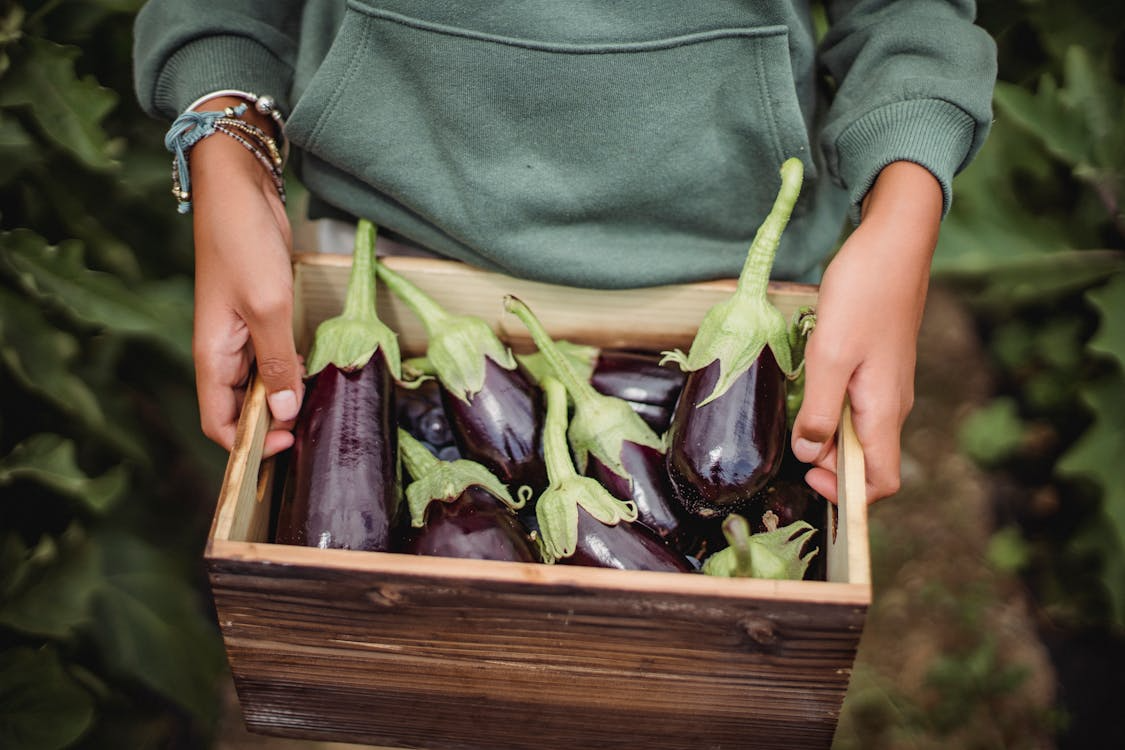
Brinjal stands as one of India's most celebrated vegetables, earning widespread recognition as the king of vegetables due to its remarkable combination of nutritional benefits, culinary adaptability, and cultural importance. This purple marvel has graced Indian kitchens for over 4,000 years, transforming simple meals into flavourful feasts while delivering exceptional health benefits. This guide takes you through why this versatile vegetable truly deserves its royal status.
Why Brinjal/Eggplant is Called the King
Brinjal earns its regal status as the king of vegetables through several distinctive qualities that place it above other vegetables. This remarkable vegetable stands out through its unique ability to enhance a wide variety of dishes while providing health benefits.
Brinjal's royal title comes from its extraordinary ability to absorb oils and spices, rivalling even well-cooked mutton in its masala absorption capacity. This unique characteristic allows the vegetable to enhance any dish it joins, making it equally valuable in vegetarian and non-vegetarian preparations.
The vibrant purple peel contributes both visual appeal and nutritional benefits, containing anthocyanins that provide antioxidant properties. This combination of aesthetic beauty, nutritional density, and culinary adaptability creates the perfect foundation for brinjal's royal designation.
Botanical and Cultural Overview
Brinjal belongs to the nightshade family Solanaceae, and represents one of humanity's oldest cultivated crops, with archaeological evidence placing its domestication in India around 4,000 years
Scientific Classification and Names
The following table shows brinjal's complete botanical classification:
|
|
|
|---|---|
| Kingdom | Plantae |
| Class | Magnoliopsida (Dicots) |
| Order | Solanales |
| Family | Solanaceae |
| Genus | Solanum |
| Species | Solanum melongena L. |
Botanically, brinjal is actually a berry, though it is commonly used as a vegetable in culinary applications. The plant belongs to the same family as potatoes, tomatoes, and peppers, sharing similar growing characteristics and nutritional properties.
Etymology and Regional Names
The name "brinjal" traces back through Arabic to the original Sanskrit term "Vātiṅgaṇa, while "eggplant" comes from white varieties that resemble chicken eggs in shape and colour. Different Indian languages have unique names reflecting the vegetable's cultural importance:
- Hindi: Baingan
- Bengali: Begun
- Tamil: Kathiri
- Telugu: Vankaya
- Malayalam: Vashuthana
- Gujarati: Ringna
- Marathi: Vange
- Kannada: Badane
Global variations include:
- English (North America): Eggplant
- English (Britain): Aubergine
- Arabic-derived: Brinjal
- Caribbean: Baigan
Historical and Cultural Significance
Brinjal is one of humanity's oldest cultivated vegetables. From its origins in Southeast Asia, particularly the India-Pakistan region, brinjal spread eastward to China and westward to Egypt and Turkey through ancient trade routes.
Ancient Indian texts extensively mention brinjal, including Buddhist and Jain scriptures like the Uttaradhyana Sutra and Jatakas. The 16th-century Bengali text Chaitnya Charitramrita describes feasts beginning with "tender neem leaves fried with brinjal," highlighting the vegetable's ceremonial importance.
Nutritional Profile of Brinjal
Brinjal provides exceptional nutritional value while remaining remarkably low in calories, making it an ideal choice for health-conscious individuals seeking maximum nutrients with minimal caloric intake.
Key Nutrients and Health Benefits
The following table outlines brinjal's impressive nutritional profile per 100 g serving:
|
|
|
|---|---|
| Calories | 26 |
| Dietary Fibre | 2.4 g |
| Vitamin C | 0.8 μg |
| Calcium | 11 mg |
| Folate | 20 μg |
| Potassium | 222 mg |
| Manganese | 0.106 mg |
| Copper | 0.061 mg |
The vegetable's high water content (approximately 92%) helps maintain hydration while providing satiety.
Role in Traditional Diets
Ayurvedic medicine recognises brinjal's therapeutic properties for helping to manage diabetes, hypertension, and obesity. Traditional practitioners believe the vegetable helps balance the three doshas while improving metabolism and digestive capacity.
However, traditional knowledge also acknowledges potential concerns. Some Ayurvedic texts caution against excessive consumption, noting that brinjal can be "pungent and bitter" with varying effects on different body types. This balanced perspective aligns with the modern understanding of brinjal side effects for certain individuals.
Culinary Uses and Versatility
Brinjal's culinary adaptability spans countless cooking methods and cuisines, making it one of the most versatile vegetables in global cooking traditions.
Popular Cooking Methods Across Different Cuisines
Indian cuisine showcases brinjal's versatility through regional specialities:
- Baingan bharta, where roasted brinjal is mashed and cooked with onions, tomatoes, and spices
- Gutti vankaya, a stuffed brinjal curry simmered in a rich, spiced gravy
International cuisines showcase brinjal in diverse and flavourful ways, highlighting its ability to absorb spices and seasonings while retaining its unique texture:
- Mediterranean: Moussaka, where brinjal layers soak up rich tomato and meat sauces
- French: Ratatouille, combining slow-cooked brinjal with herbs and summer vegetables
- Middle Eastern: Baba ganoush, a smoky brinjal dip blended with tahini and olive oil.
Brinjal as a Meat Substitute
Brinjal, the king of vegetables, serves as an excellent vegetarian protein substitute due to its meaty texture and substantial mouthfeel. When properly cooked, the vegetable provides satisfying density that can replace meat in various recipes.
The vegetable's ability to absorb marinades and spices makes it particularly effective in vegetarian and vegan cuisines. Grilling, roasting, or sautéing brings out brinjal's natural umami flavours, creating dishes that satisfy even dedicated meat-eaters.
Tips to Remove Bitterness and Enhance Flavour
Follow these steps to eliminate brinjal's natural bitterness:
- Salt Method: Slice the brinjal and sprinkle with salt
- Soaking: Place salted pieces in cold water for 30 minutes
- Draining: Pat dry with paper towels before cooking
- Cooking: Proceed with your chosen preparation method
This process draws out bitter compounds while keeping the vegetable firm during cooking, ensuring optimal texture and flavour in finished dishes.
Additional enhancement techniques:
- Choose younger, smaller brinjals for milder flavour
- Remove seeds from larger varieties if bitterness persists
- Cook immediately after cutting to prevent oxidation
- Use acidic ingredients (lemon, tomatoes) to balance any remaining bitterness
Health Benefits of Brinjal
The health benefits of brinjal extend far beyond basic nutrition, offering specific therapeutic advantages for various health conditions when consumed regularly as part of a balanced diet.
Diabetes Management
Brinjal's high fibre content and low natural sugar levels make it exceptionally effective for blood glucose control. The vegetable's polyphenols, particularly abundant in the purple skin, help improve glucose metabolism and insulin sensitivity.
Studies show that regular brinjal consumption can significantly impact type 2 diabetes management through improved blood sugar regulation. The vegetable's slow sugar absorption prevents dangerous glucose spikes while maintaining steady energy levels.
Heart Health
Brinjal supports cardiovascular health through multiple mechanisms:
- Cholesterol Reduction: High fibre content helps lower LDL cholesterol
- Blood Pressure: Potassium and bioflavonoids reduce hypertension
- Antioxidants:Chlorogenic compounds protect against arterial damage
The vegetable's heart-protective benefits come from its unique combination of fibre, potassium, and antioxidants working together to improve overall cardiovascular function.
Weight Loss and Digestion
Brinjal's high water content and low calorie density make it ideal for weight management programs. The vegetable provides satiety without excess calories, helping control hunger while supporting nutritional needs. Digestive benefits include:
- Improved Gut Health: Fibre promotes beneficial bacteria
- Regular Bowel Movements: Prevents constipation naturally
- Enhanced Nutrient Absorption: Supports overall digestive function
Bone Health and Immunity
Brinjal contains essential bone-building nutrients, including vitamin K, manganese, and copper. Vitamin K supports blood clotting and bone mineral density, while trace minerals contribute to overall skeletal health.
Immune system support comes from vitamins C and K, along with folate, which help maintain strong immune responses and support cellular repair processes.
Disclaimer: Individuals with existing health conditions should consult healthcare providers before making significant dietary changes.
Potential Risks and Allergies
While brinjal offers numerous benefits, awareness of brinjal side effects helps ensure safe consumption for all individuals, particularly those with specific health conditions or sensitivities.
Solanine Poisoning and Toxicity
Brinjal contains solanine, a natural compound that can cause toxicity in large quantities. Solanine poisoning symptoms include:
- Nausea and vomiting
- Headaches and dizziness
- Gastrointestinal distress
- Neurological symptoms (in severe cases)
Proper cooking reduces solanine levels, making normal consumption completely safe for healthy individuals.
Allergic Reactions and Sensitivities
Some people experience allergic reactions to brinjal, particularly from compounds in the seeds. Common symptoms include:
- Eye redness and irritation
- Throat swelling and itching
- Tongue inflammation
- Breathing difficulties
- Stomach pain
Oxalates and Kidney Health Considerations
Brinjal contains moderate levels of oxalates, which can contribute to kidney stone formation in susceptible individuals. People with kidney problems or a history of kidney stones should limit brinjal consumption or consult healthcare providers. Oxalate-related risks particularly affect individuals whose kidneys absorb these compounds more efficiently than average.
Cultivation and Production
Brinjal cultivation represents a significant agricultural sector, with India playing a crucial role in global production while facing unique challenges in crop management.
Growing Conditions and Regions
Brinjal thrives in warm weather conditions with specific temperature requirements:
- Optimal Daily Temperature: 13°C to 21°C
- Critical Minimum: Growth affected below 17°C
- Frost Sensitivity: Extremely susceptible to cold damage
- Elevation Tolerance: Grows up to 1,200 metres above sea level
The crop adapts to various soil types from light sandy to heavy clay, making it suitable for diverse agricultural regions across India.
Common Pests and Crop Challenges
The fruit and shoot borer (FSB) Leucinodes orbonalis represents brinjal's most serious pest threat, causing fruit damage and commercial losses in severe infestations. FSB management challenges include:
- Hidden Larvae: Pests remain inside shoots and fruits
- Insecticide Resistance: Over-spraying reduces effectiveness
- High Reproductive Rate: Rapid pest population growth
- Economic Losses: Significant financial impact on farmers
Unique Varieties and Genetic Developments
Indian brinjal varieties demonstrate incredible diversity:
|
|
|
|
|---|---|---|
| Round Purple | Globe-shaped, deep purple | General cooking, stuffing |
| Long Purple | Elongated, bright purple | Asian cuisines, grilling |
| White Varieties | Pale skin, mild flavour | European dishes, roasting |
| Baby Brinjal | Small, tender varieties | Pickles, quick cooking |
| Green Brinjal | Light green skin | Regional specialities |
Chinese eggplant varieties tend to be longer and thinner with violet to bright purple skin, while Indian varieties show greater diversity in shape and size.
Genetically Modified Varieties
Bt brinjal represents a genetically modified variety developed by inserting the Cry1Ac crystal protein gene from Bacillus thuringiensis bacteria. This modification provides resistance against lepidopteran insects, particularly the destructive FSB. However, India imposed a moratorium on Bt brinjal cultivation in February 2010 following public protests and regulatory concerns, despite initial approval in 2009.
Appearance and Taste Variations
Brinjal's purple colour comes from anthocyanin nasunin, providing both visual appeal and antioxidant benefits. Different varieties offer distinct flavour profiles ranging from mild and slightly sweet to moderately bitter.
Textural variations include crispy skin when cooked and tender, creamy interior flesh that few vegetables can match, creating unique culinary possibilities across different preparation methods.
Why Brinjal Truly Deserves the King of Vegetables Crown
Brinjal truly lives up to its title as the king of vegetables. With its rich history, powerful nutritional profile, and incredible adaptability in dishes from baingan bharta to baba ganoush, it brings both flavour and health to your plate. Its ability to absorb spices, suit countless cuisines, and offer real wellness benefits makes it a standout ingredient in Indian cooking and beyond.
Whether you're managing diabetes, heart conditions, or dealing with food allergies, having proper health insurance coverage ensures access to quality medical care when needed most. Visit Royal Sundaram General Insurance today to explore comprehensive protection solutions tailored to your health needs.
FAQs
Brinjal earns the king of vegetables title through its unique combination of exceptional nutritional value, remarkable culinary versatility, and significant cultural importance across Indian cuisine.
Brinjal side effects include potential solanine toxicity in large quantities, allergic reactions in sensitive individuals, and oxalate content that may affect people with kidney stone risks.
The health benefits of brinjal include effective diabetes management, improved heart health, enhanced digestion, weight loss support, and stronger bone health through essential vitamins and minerals.
Brinjal appears in diverse preparations including Indian baingan bharta, Mediterranean moussaka, French ratatouille, Middle Eastern baba ganoush, and various Asian stir-fries and curries.
Botanically, brinjal is classified as a berry (fruit), but it's commonly used as a vegetable in culinary applications due to its savoury flavour profile and cooking characteristics.
Remove bitterness by salting sliced brinjal and soaking in cold water for 30 minutes before cooking, which also reduces potential toxins and maintains a firm texture.
Common varieties include round purple globe types, long Chinese varieties, white European cultivars, small baby brinjal, and green regional specialities.

Discover the perfect insurance plan for you!
Get your free quote now!
Get StartedBy Clicking on Get Started, You agree to our Terms and Conditions and override DNC/NDNC registration.
More like this
View more