You have been Successfully Subscribed to Newsletter


Saturated vs Unsaturated Fat: What You Should Know
June 04, 2026 • 15 Min Read
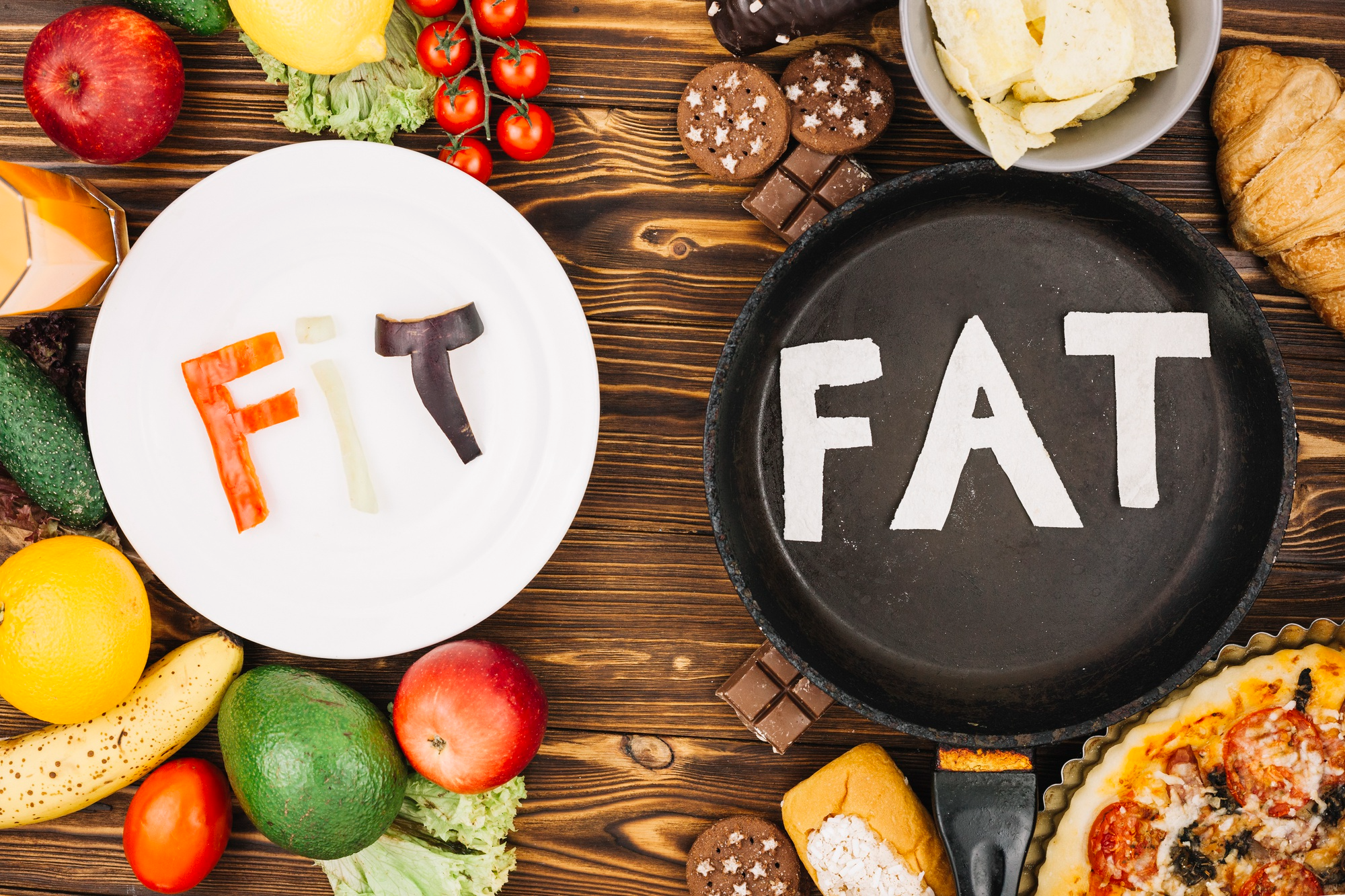
Cooking oils line the shelves of every Indian kitchen, but few people truly understand which fat is better, saturated or unsaturated. This confusion affects daily food choices.
Heart disease continues rising across the country, with heart-related insurance claims increasing from 9-12% in 2019-2020 to 18-20% in 2023-2024. Understanding the difference between saturated and unsaturated fats becomes crucial for making informed dietary decisions that protect your cardiovascular health.
What Are Fats and Why Do They Matter
Fats serve as essential building blocks for cellular function, energy storage, and nutrient absorption. Your body relies on dietary fats for hormone production, brain function, and maintaining healthy skin and hair.
Role of fats in the body
The following table outlines the critical functions that fats perform in your daily health:
|
|
|
|
|---|---|---|
| Energy Production | Each gram provides 9 calories of energy | Sustained energy throughout the day |
| Vitamin Absorption | Helps absorb vitamins A, D, E, and K | Better nutrient utilisation |
| Cell Membrane Formation | Creates protective barriers around cells | Improved cellular communication |
| Hormone Production | Essential for making key hormones | Balanced metabolism and mood |
| Nerve Protection | Forms protective sheaths around nerves | Better brain and nervous system function |
Types of dietary fats overview
Understanding which fat is better, saturated or unsaturated, requires knowing the three main categories in your diet:
Saturated Fatty Acids (SFA): These fats contain no double bonds in their chemical structure. Your body can produce these fats internally, though you can also consume them through food. Common sources include ghee, coconut oil, and animal products.
Monounsaturated Fatty Acids (MUFA): These contain one double bond and remain liquid at room temperature. Olive oil, mustard oil, and nuts provide excellent sources of monounsaturated fats.
Polyunsaturated Fatty Acids (PUFA): These contain multiple double bonds and include the essential omega-3 and omega-6 fatty acids. Fish, flaxseeds, and certain vegetable oils supply these crucial fats.
Chemical Structure of Saturated and Unsaturated Fats
The molecular structure of fats determines their physical properties, cooking behaviour, and health effects. This scientific foundation explains the difference between saturated and unsaturated fats at the most basic level.
Saturated fat structure: Single bonds and saturation with hydrogen
Saturated fats contain carbon chains where every carbon atom connects to hydrogen atoms through single bonds. This complete "saturation" with hydrogen creates straight, block-like molecules that stack easily together. This molecular arrangement explains why saturated fats remain solid at room temperature.
Unsaturated fat structure: Presence of double bonds
Unsaturated fats contain one or more double bonds between carbon atoms. Each double bond creates a "kink" or bend in the molecular chain, preventing the molecules from stacking neatly together. This bent structure keeps unsaturated fats liquid at room temperature. Mustard oil, sesame oil, and olive oil demonstrate this property; they pour easily and remain fluid even in moderate temperatures.
Subtypes of unsaturated fats: Monounsaturated vs Polyunsaturated
The number of double bonds creates important distinctions within unsaturated fats:
Monounsaturated Fats:
- Contain exactly one double bond per molecule
- Include oleic acid, the primary fat in olive oil
- Provide moderate stability for cooking
- Support cardiovascular health when replacing saturated fats
Polyunsaturated Fats:
- Contain two or more double bonds per molecule
- Include essential omega-3 and omega-6 fatty acids
- More susceptible to oxidation and rancidity
- Best used for low-heat cooking or raw applications
Essential fatty acids like omega-3 (alpha-linolenic acid) and omega-6 (linoleic acid) cannot be produced by the body, so they must come from foods such as fish, walnuts, flaxseeds, and vegetable oils. Traditional Indian diets are high in omega-6 from oils, which disrupts the omega-3/omega-6 balance and promotes inflammation, making omega-3-rich sources especially essential.
Sources of Saturated and Unsaturated Fats
Knowing where different fats come from helps you make informed choices about which fat is better, saturated or unsaturated, for specific uses and health goals.
Common food sources of saturated fats
The following table shows major saturated fat sources commonly found in Indian kitchens:
|
|
|
|
|
|---|---|---|---|
| Ghee | 60–65% | Cooking, tempering, sweets | Rich in fat-soluble vitamins |
| Coconut Oil | 85–90% | South Indian cooking, hair care | Contains medium-chain fatty acids |
| Palm Oil | 45–50% | Commercial food production | The most consumed cooking oil in India, with 8+ million metric tons annually |
| Butter | 65–70% | Baking, spreading | Source of vitamin A |
| Full-fat Dairy | 60–65% | Milk, cheese, yoghurt | Provides calcium and protein |
Common food sources of unsaturated fats, including omega-3 and omega-6
Indian cuisine offers numerous sources of heart-healthy unsaturated fats:
Monounsaturated Fat Sources:
- Mustard oil: Traditional in North Indian cooking, contains both MUFA and PUFA
- Olive oil: Excellent for salads and light cooking
- Groundnut oil: Popular across India, stable for moderate-heat cooking
- Sesame oil: Used in South Indian cuisine, rich in antioxidants
Polyunsaturated Fat Sources:
- Sunflower oil: High in omega-6 fatty acids
- Safflower oil: Light flavour, suitable for various cooking methods
- Fish: Particularly oily fish like mackerel, sardines, and hilsa
- Nuts and seeds: Walnuts, flaxseeds, and chia seeds provide omega-3s
Natural presence of trans fats vs artificial trans fats
Understanding trans fats helps complete the picture of the difference between saturated and unsaturated fats and their health impacts:
Natural Trans Fats:
- Occur in small amounts in meat and dairy from grazing animals
- Generally considered safe in these minimal quantities
- Cannot be completely avoided in normal diets
Artificial Trans Fats:
- Created through industrial hydrogenation of vegetable oils
- Found in vanaspati oil, a concern in Indian food systems
- Significantly raises cardiovascular disease risk
- Should be completely avoided when possible
Health Impacts and Dietary Recommendations
The relationship between dietary fats and health outcomes shapes current nutritional guidelines. Recent Indian health data provide a concerning context for understanding saturated vs unsaturated fat choices.
Effects of saturated fats on LDL and heart disease risk
Saturated fats raise LDL cholesterol, increasing heart disease risk. Research links higher intake to elevated blood cholesterol via liver mechanisms. The liver responds by producing more cholesterol and fewer LDL receptors, leaving more circulating in the blood.
Benefits of unsaturated fats on cholesterol and inflammation
Unsaturated fats offer key cardiovascular benefits by improving lipid profiles and curbing inflammation.
Cholesterol Management:
Monounsaturated and
polyunsaturated fats lower LDL cholesterol while boosting or preserving HDL, fostering a
healthier ratio that guards against plaque buildup.
Anti-inflammatory Effects:
Omega-3s shine here,
generating resolvins and protectins to actively resolve body-wide inflammation.
Blood Pressure Benefits:
The OmniHeart trial showed that swapping carbs for unsaturated fats cuts blood pressure, enhances lipids, and lowers heart risk.
Current dietary guidelines and recommended intake percentages
Understanding current recommendations helps you apply knowledge about the difference in saturated and unsaturated fats to your daily eating patterns:
|
|
|
|
|
|---|---|---|---|
| ICMR (India) | Up to 30% of total calories | Less than 10% of calories | Emphasises avoiding trans fats completely |
| WHO Global | Up to 30% of total calories | Less than 10% of calories | 15% visible fat, 15% invisible fat |
| American Heart Association | 25 –35% of total calories | 5–6% of calories | More restrictive saturated fat limits |
The National Institute of Nutrition recommends limiting visible fat (cooking oil) to 20-50 grams per person daily, depending on activity levels and energy requirements. This translates to approximately 4-10 teaspoons of cooking oil per day.
Debate and recent research on saturated fats and cardiovascular disease
Recent research has introduced nuance into the traditional view of saturated fats and heart disease. Some studies suggest that the source and type of saturated fat may matter more than total intake.
Emerging Research Findings:
- Saturated fats from different sources may have varying health effects
- Medium-chain saturated fats (like those in coconut oil) may not increase cardiovascular risk
- The overall dietary pattern matters more than individual nutrient focus
- Replacing saturated fats with refined carbohydrates may not provide benefits
Limitations of Current Evidence:
Much research on saturated fats comes from observational studies rather than controlled trials. This creates uncertainty about direct causal relationships between saturated fat intake and heart disease.
Cooking and Heat Stability of Fats
Understanding how different fats behave during cooking helps you choose the right oil for specific preparation methods while maintaining nutritional quality.
Heat stability of saturated fats
Saturated fats excel in high-temperature cooking due to their chemical stability. The absence of double bonds makes them resistant to oxidation and breakdown when heated.
Smoke Point Comparison:
- Ghee: 250°C - excellent for deep frying
- Coconut oil: 177°C - suitable for medium-heat cooking
- Palm oil: 235°C - stable for high-heat applications
The straight molecular structure of saturated fats prevents the formation of harmful compounds during high-temperature cooking. This stability makes ghee and coconut oil traditional choices for Indian deep-frying methods like making puris, samosas, and other fried snacks.
Suitability of unsaturated fats for different cooking methods
Unsaturated fats require more careful handling due to their chemical reactivity. The double bonds that provide health benefits also make these oils more susceptible to heat damage.
Heat Tolerance Levels:
- High-heat cooking: Refined groundnut oil, sunflower oil
- Medium-heat cooking: Mustard oil, sesame oil
- Low-heat cooking: Extra virgin olive oil, flaxseed oil
- Raw applications: Cold-pressed oils, walnut oil
Monounsaturated fats generally handle moderate heat better than polyunsaturated fats. This explains why olive oil works well for sautéing but shouldn't be used for deep frying at very high temperatures.
Impact of overheated oils on nutritional quality
Heating oils beyond their smoke points destroys valuable nutrients and creates harmful compounds. This process affects both the nutritional value and safety of your cooking oils.
Negative Effects of Overheating:
- Formation of free radicals that damage cells
- Creation of trans fats from partially damaged unsaturated fats
- Loss of beneficial antioxidants and vitamins
- Development of bitter, off-flavours
Safe Oil Practices:
- Use oils within their smoke point ranges
- Avoid reusing cooking oil multiple times
- Store oils in cool, dark places
- Replace oils that smell rancid or taste bitter
Practical Tips for Including Healthy Fats in Your Diet
Applying knowledge about saturated vs unsaturated fat requires practical strategies that work within Indian cooking traditions and lifestyle patterns.
Choosing fat sources wisely
Smart oil selection involves balancing nutritional benefits, cooking requirements, and budget considerations. Oil blending offers an effective strategy for optimising fatty acid profiles.
Recommended Oil Blending Ratios:
- Rice bran and safflower oil: 70:30 ratio improves lipid parameters
- Groundnut and sesame oil: Equal parts for balanced nutrition
- Mustard and sunflower oil: 60:40 for North Indian cooking
Balancing fat intake for heart and overall health
Current Indian consumption patterns show concerning trends. Rural fat intake rose from 59.7 grams to 70.5 grams, while urban areas increased from 60.4 grams to 69.8 grams between 2022-23 and 2023-24. This increase highlights the need for conscious fat management.
Daily Fat Distribution Strategy:
- 40% from cooking oils (choose unsaturated options)
- 30% from nuts, seeds, and plant sources
- 20% from dairy and animal products
- 10% from occasional treats and processed foods
Reading nutrition labels to avoid trans fats
Indian food labelling regulations require disclosure of trans fat content, but understanding labels requires attention to detail. Look for these key indicators:
Label Reading Checklist:
- Total fat content per serving
- Saturated fat quantity
- Trans fat amount (should be zero)
- Ingredient list for "partially hydrogenated oils"
- Cholesterol content
Examples of healthier fat swaps in meals
Simple substitutions can significantly improve your daily fat quality without drastically changing familiar flavours:
Traditional Recipe Modifications:
- Replace vanaspati with mustard oil for dal tadka
- Use Greek yoghurt instead of cream in curries
- Toast nuts and seeds rather than frying them
- Add ground flaxseed to rotis or smoothies
- Choose paneer over processed cheese
Snack Alternatives:
- Handful of mixed nuts instead of fried namkeen
- Peanut butter with whole-grain toast
- Roasted chickpeas instead of chips
- Homemade trail mix with seeds and dried fruits
These changes maintain the enjoyable aspects of Indian cuisine while shifting toward healthier fat profiles that support long-term health goals.
Making Smart Choices for Better Health
Navigate fats wisely to boost your heart health and energy levels without sacrificing flavour.
Key takeaways on sources, effects, and health implications
Understanding saturated vs unsaturated fat provides a foundation for lifelong healthy eating. Saturated fats primarily come from animal products and tropical oils, while unsaturated fats originate from plant sources and fish. The key lies not in eliminating any fat category completely, but in achieving the right balance.
Regional variations in health outcomes often correlate with traditional cooking practices and oil preferences. States with higher coconut oil consumption show different cardiovascular risk patterns compared to regions using mustard or groundnut oils predominantly.
Importance of moderation and diet quality
The difference in saturated and unsaturated fats matters, but overall diet quality provides the bigger picture.
Focus on these principles rather than obsessing over individual fat grams:
- Choose whole foods over processed alternatives
- Include a variety of fat sources in your diet
- Match cooking methods to appropriate oil types
- Pay attention to portion sizes across all food categories
How to use knowledge to improve your fat intake
Practical application requires gradual changes that fit your lifestyle and preferences. Start with small modifications that feel sustainable rather than attempting dramatic dietary overhauls.
Weekly Implementation Strategy:
- Week 1: Replace one saturated fat source with an unsaturated alternative
- Week 2: Add omega-3-rich foods twice per week
- Week 3: Experiment with oil blending in cooking
- Week 4: Reduce or eliminate trans fat sources
Protecting Your Health with Comprehensive Coverage
Protecting your health goes beyond choosing between saturated and unsaturated fats; unexpected illnesses can still strike amid rising medical costs.Royal Sundaram Health Insurance offers essential coverage for medical expenses, with plans tailored to your needs.
Secure your family's future today with Royal Sundaram health insurance that supports your treatment and secures you.
Frequently Asked Questions
Saturated fats have straight chains of carbon atoms connected by single bonds, fully "saturated" with hydrogen, making them solid at room temperature (e.g., butter). Unsaturated fats contain one or more double bonds, creating kinks in the chain, resulting in a liquid state (e.g., olive oil) and are often better for heart health by lowering LDL cholesterol.
No, research shows nuance; not all saturated fats equally raise heart disease risk. Those from processed meats or dairy may increase LDL cholesterol more than those from sources like coconut oil or dark chocolate, where medium-chain fats have neutral or milder effects; moderation and overall diet matter most.
Top sources include plant oils (olive, canola, sunflower), nuts (almonds, walnuts), seeds (chia, flax), avocados, and oily fish (salmon, mackerel) rich in omega-3s; omega-6s abound in corn and soybean oils. Aim for a balanced ratio.
American Heart Association guidelines recommend limiting saturated fats to under 6% of daily calories (about 13g on 2,000 calories) while favouring unsaturated fats for 20-35% total fat intake, prioritising monounsaturated and polyunsaturated types.
Trans fats are mostly artificial (from partially hydrogenated oils in processed foods) or minor natural ones (in some meats); they raise LDL, lower HDL cholesterol, and inflame arteries, sharply increasing heart disease risk. Most health bodies advise near-zero intake.
Yes, but choose wisely: high-heat stable ones like avocado or refined olive oil suit frying; sensitive polyunsaturated oils (e.g., flaxseed) are best raw to avoid oxidation and harmful compounds when overheated.
Saturated fats boost LDL ("bad") cholesterol, raising artery plaque risk; unsaturated fats (especially polyunsaturated) lower LDL, raise HDL ("good") cholesterol, and reduce inflammation for better cardiovascular outcomes.
Yes, all fats are calorie-dense (9 kcal/g), so excess unsaturated fats can lead to weight gain and obesity-related issues; balance with veggies, proteins, and portion control is key, even for "healthy" fats.
Swap butter for olive oil, red meat for salmon or tofu, full-fat dairy for avocado or nut butters; grill or bake with canola oil instead of frying in lard, and snack on nuts over cheese for easy, heart-friendly shifts.

Discover the perfect insurance plan for you!
Get your free quote now!
Get StartedBy Clicking on Get Started, You agree to our Terms and Conditions and override DNC/NDNC registration.
More like this
View more