You have been Successfully Subscribed to Newsletter


Side Effects of Glutathione: Your Complete Safety Guide
June 17, 2026 • 15 Min Read
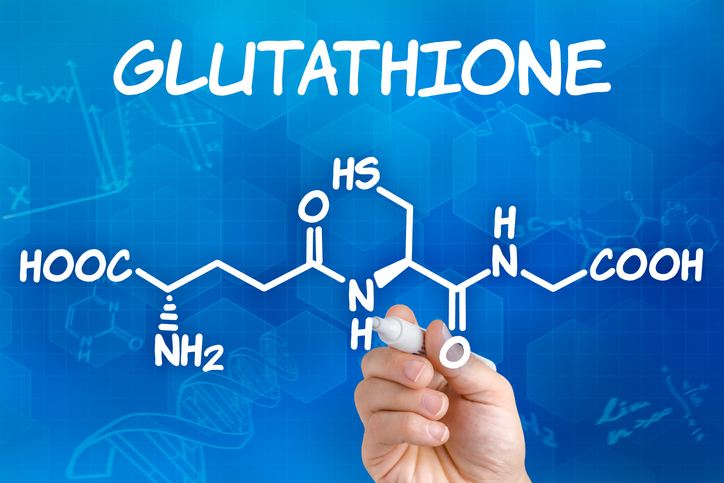
Side effects of glutathione vary by administration method, with oral forms causing mild digestive issues like flatulence and loose stools. Intravenous glutathione poses serious risks: 32% of patients developed adverse events, including liver failure and allergic reactions. People with asthma should avoid inhaled forms, while pregnant women need medical consultation. Safe oral dosages range from 250 to 500mg daily, with medical supervision recommended for all forms.
Glutathione supplements have gained popularity for skin lightening and antioxidant benefits, but many users remain unaware of potential risks. While this naturally occurring compound plays vital roles in your body's defence systems, supplementation can trigger unexpected reactions ranging from mild digestive upset to serious allergic responses.
Understanding what happens when you take glutathione becomes crucial in this scenario. This guide explores what actually happens when you take glutathione across oral, intravenous, inhaled, and topical forms, and reviews the current evidence on safety, typical dosages, and key risk factors so you can make informed choices.
What Is Glutathione?
Glutathione is your body's master antioxidant, naturally produced in the liver and found throughout your cells. This powerful tripeptide consists of three amino acids, glycine, cysteine, and glutamic acid, working together to protect against cellular damage and support detoxification processes.
Natural Role in the Body
Your body uses glutathione as its primary defence against oxidative stress and ageing. It neutralises harmful free radicals by donating electrons to stabilise them, preventing further cellular damage. As a detoxification agent, glutathione binds with toxins, making them water-soluble for easy elimination through urine or bile.
This antioxidant enhances immune cell activity, strengthening your natural defences against infections. It also supports other antioxidants like vitamins C and E, amplifying their effectiveness throughout your body.
Sources of Glutathione
Natural dietary sources provide glutathione through various fruits and vegetables. The following foods contain significant amounts:
High Glutathione Foods:
- Asparagus
- Avocado
- Cucumber
- Green beans
- Spinach
- Mango
- Papaya
- Tomatoes
Supporting Foods:
- Bell peppers (vitamin C)
- Oranges and kiwi
- Brussels sprouts
- Cabbage
- Cauliflower
Forms of Supplementation: Oral, Topical, Intravenous
Glutathione supplements come in three main forms, each with different absorption rates and risk profiles:
|
|
|
|
|
|---|---|---|---|
| Oral (tablets/powder) | Limited due to digestion | General wellness, skin benefits | Low |
| Topical (creams/serums) | Localised skin absorption | Skin lightening, anti-ageing | Very Low |
| Intravenous injection | Direct bloodstream entry | Medical treatments, rapid effects | High |
| Liposomal oral | Enhanced absorption | Better bioavailability | Low-Medium |
| Sublingual | Rapid absorption via the tongue | Quick delivery | Low |
Common Uses and Benefits of Glutathione
Glutathione therapy addresses multiple health concerns, from liver protection to cosmetic enhancement. The Central Drugs Standard Control Organisation (CDSCO) in India has approved its medical use for specific liver conditions.
Health Applications: Antioxidant, Detoxification, Immune Support
Medical professionals prescribe glutathione for several approved conditions:
CDSCO-Approved Uses:
- Alcoholic fatty liver
- Alcoholic liver fibrosis
- Alcoholic liver cirrhosis
- Alcoholic hepatitis
Skin Lightening and Melanin Regulation
Glutathione reduces melanin production through two mechanisms. First, it blocks the tyrosinase enzyme responsible for melanin synthesis. Second, it converts darker eumelanin into lighter phaeomelanin pigment.
Clinical studies show that taking 500mg of oral glutathione daily can lower melanin levels within four weeks. The supplement also protects skin collagen fibres from free radical damage, maintaining elasticity and reducing fine lines.
Other Therapeutic Uses: Liver Health, Neuroprotection
Beyond cosmetic applications, glutathione supports liver function by aiding detoxification processes. It helps regenerate other antioxidants while binding toxins, heavy metals, and free radicals for safe elimination.
For brain health, mounting evidence shows that oxidative stress contributes to cognitive decline. Glutathione's neuroprotective properties may help maintain healthy brain function as you age.
Side Effects of Glutathione
While generally well-tolerated, side effects of glutathione can occur depending on the administration method and individual sensitivity. Understanding these risks helps you make informed decisions about supplementation.
Side Effects by Route of Administration
Research reveals significant differences in adverse event rates across administration methods. A clinical study found that while 37.5% of patients with IV glutathione showed transient skin benefits, 32% developed adverse events, revealing a concerning risk-to-benefit ratio.
Oral Glutathione Side Effects
What are the side effects of glutathione when taken orally? Most people experience only mild, temporary symptoms:
Common Oral Side Effects:
- Flatulence
- Loose stools
- Flushing
- Weight gain
- Minor digestive discomfort
- Occasional gas
Oral glutathione remains safe at doses up to 500mg daily for up to two months. These mild gastrointestinal symptoms typically resolve as your body adjusts to supplementation.
Topical Glutathione Side Effects
Topical applications carry the lowest risk profile. Skin reactions are extremely rare but can occur due to allergies to non-pharmaceutical-grade products.
Potential Topical Reactions:
- Skin rash (very rare)
- Contact dermatitis
- Localised irritation
Intravenous Glutathione Side Effects and Risks
IV glutathione carries the highest risk of serious complications. What happens when you take glutathione intravenously can include life-threatening reactions.
Immediate IV Reactions:
- Nausea and vomiting
- Lightheadedness
- Chills and body aches
- Sneezing
- Low blood pressure
- Breathing difficulties
Serious IV Complications:
- Severe allergic reactions
- Liver failure (nearly one-third of patients)
- Kidney damage
- Stevens-Johnson syndrome
- Toxic epidermal necrolysis
- Air embolism (potentially fatal)
Allergic Reactions and Respiratory Issues
People with asthma face particular risks. Inhaling glutathione can trigger bronchospasm and worsen asthma symptoms. Always avoid inhaled forms if you have respiratory conditions.
Allergic Symptoms:
- Skin rashes
- Breathing difficulties
- Swelling
- Severe reactions (anaphylaxis)
Long-Term Safety Concerns
The long-term safety profile remains unclear, with 54% of dermatologists feeling there's insufficient safety data available for glutathione therapy. Prolonged use may reduce zinc levels in your body, requiring monitoring.
Who Should Avoid or Take Precautions With Glutathione?
Certain groups face higher risks from glutathione supplementation and require special precautions or complete avoidance.
People with Asthma
If you have asthma, avoid inhaling glutathione to prevent worsening symptoms. The supplement can trigger bronchospasm and respiratory distress in sensitive individuals.
Before using any form of glutathione, inform your doctor about your asthma history and any other respiratory conditions.
Pregnant and Breastfeeding Women
Limited safety data exist for glutathione use during pregnancy and breastfeeding. The supplement's effects on developing babies remain unknown.
Pregnancy Precautions:
- Consult your doctor before use
- Avoid IV administration
- Consider natural dietary sources instead
- Monitor for any adverse reactions
Individuals With Allergies or Medical Conditions
Several medical conditions require special consideration:
Contraindications:
- Organ transplant recipients (not recommended)
- Liver disease patients (may alter function tests)
- Kidney stone history (can increase oxalate levels)
- Known allergies to glutathione components
Potential Drug and Food Interactions
Glutathione may interact with certain medications, though research remains limited.
Potential Interactions:
- Antipsychotics (risperidone, quetiapine)
- Anti-seizure medications (carbamazepine, phenytoin)
Dosage and Safe Use Guidelines
Proper dosing and medical supervision significantly reduce the risk of side effects of glutathione while maximising potential benefits.
Recommended Dosages by Use Case
Dosing varies based on your intended use and administration method:
|
|
|
|
|---|---|---|
| General wellness | MedIndia lists oral glutathione at 60–500 mg/day, which is close to your 250–500 mg daily range. | 600–1200 mg per session, and another note, 1500–2500 mg IV in some protocols, but these are not universal standards. |
| Skin brightening | 250–1500 mg/day for skin whitening, which overlaps your 500–1000 mg daily range. | IV glutathione is used in some skin-lightening protocols, but one clinical-style guide says it is generally not recommended for cosmetic use without medical supervision. |
| Antioxidant support | MedIndia’s 60–500 mg/day oral range supports the lower end of 250–500 mg daily. | IV glutathione should be used only under medical supervision; one source describes 600–1200 mg per session in clinical settings. |
Disclaimer: IV administration requires strict medical supervision
Importance of Medical Supervision
Healthcare professionals warn that administering antioxidant therapy without proper credentials poses significant risks. Rapid IV infusion can strain the kidneys and trigger unusual skin reactions.
Medical Assessment Requirements:
- Kidney function evaluation
- Liver function testing
- Allergy history review
- Current medication assessment
Risks of Overuse and Misuse
Exceeding recommended doses can result in serious complications. What happens when you take glutathione in excessive amounts includes:
- Severe gastrointestinal distress
- Skin rashes
- Nausea and cramping
- Diarrhoea
Mechanism Behind Side Effects and Safety Profile
Understanding how glutathione works helps explain why certain side effects of glutathione occur and how to minimise risks.
How Glutathione Works in the Body
As a tripeptide made from cysteine, glycine, and glutamic acid, glutathione strengthens your body's defence against oxidative stress. Within clinical contexts, it treats skin dullness and early ageing caused by free radical damage.
Antioxidant and Detoxification Pathways
Glutathione works in your liver by binding toxins, heavy metals, and free radicals. It converts these harmful substances into forms your body can safely eliminate through urine or bile.
The supplement also helps regenerate other antioxidants like vitamins C and E, amplifying their protective effects against cellular damage.
Potential Causes of Side Effects
Many adverse reactions stem from contaminated or improperly prepared products. The FDA highlights concerns about using dietary-grade glutathione for sterile injectable compounds.
Risk Factors:
- Non-pharmaceutical grade products
- Contaminated preparations
- Excessive endotoxin levels
- Improper storage or handling
- Inadequate medical supervision
Alternatives and Complementary Approaches
Several alternatives can boost your glutathione levels naturally while reducing supplementation risks.
Esterified Glutathione Derivatives
Liposomal glutathione offers better absorption because fat layers protect it from digestive breakdown. This enhanced bioavailability means you need smaller doses for similar effects.
Initial results may appear in a few weeks, with visible skin improvements typically taking 2-4 weeks or longer with consistent use.
Supplements That Support Endogenous Glutathione
N-acetyl cysteine (NAC) serves as a glutathione precursor, indirectly increasing your body's natural production. Since cysteine is one of glutathione's building blocks, NAC supplementation boosts endogenous levels safely.
Supportive Supplements:
- N-acetyl cysteine (NAC)
- Milk thistle
- Vitamin C
- Alpha-lipoic acid
Lifestyle and Dietary Recommendations to Boost Glutathione
Natural approaches can effectively support your glutathione levels without supplementation risks.
Lifestyle Modifications:
- Eat antioxidant-rich fruits and vegetables
- Avoid smoking and excessive alcohol use
- Reduce processed food consumption
- Limit caffeine intake
- Exercise regularly
- Get adequate sleep
A balanced diet rich in antioxidants complements glutathione's protective effects while reducing your need for high-dose supplementation.
Your Path to Comprehensive Health Protection
Understanding the side effects of glutathione helps you make safer choices about supplementation. While research states that oral forms are usually safer for most people, IV use can carry serious risks that may outweigh the benefits.
But medical emergencies can happen unexpectedly, so having health insurance matters. Royal Sundaram Health Insurance offers broad health coverage, over 12,500 network hospitals, cashless treatment, no room-rent capping, and support for pre- and post-hospitalisation expenses.
Frequently Asked Questions
The most common side effects of glutathione include flatulence, loose stools, flushing, and minor digestive discomfort when taken orally. These symptoms are typically mild and temporary.
IV glutathione carries significant safety risks, including anaphylaxis and liver damage. Studies show 32% of patients develop adverse events, with nearly one-third experiencing liver failure.
Yes, glutathione can trigger allergic reactions, including skin rashes, breathing difficulties, and in rare cases, severe anaphylaxis requiring emergency medical treatment.
Limited safety data exist for glutathione use during pregnancy and breastfeeding. Always consult your doctor before using any form of glutathione during these periods.
Oral glutathione is generally well-tolerated, causing only occasional mild gastrointestinal symptoms like gas and loose stools in some users.
Glutathione may interact with antipsychotic and anti-seizure medications. People with organ transplants, liver disease, or a history of kidney stones should exercise caution.
Stop using it and seek medical advice promptly so a clinician can decide whether to reduce the dose or discontinue it. Watch for worsening symptoms such as rash, breathing trouble, or severe stomach upset, and get urgent care if they appear.
Long-term safety is not well established, especially for intravenous use, which has been linked to serious risks such as anaphylaxis and liver injury. Use caution and consult a medical professional before using glutathione for cosmetic skin lightening over an extended period.
Yes, inhaled glutathione may trigger bronchospasm in people with asthma. Those with respiratory conditions should avoid inhaled forms and consult their doctor before use.

Discover the perfect insurance plan for you!
Get your free quote now!
Get StartedBy Clicking on Get Started, You agree to our Terms and Conditions and override DNC/NDNC registration.
More like this
View more