You have been Successfully Subscribed to Newsletter


Types of Dandruff: Complete Guide to Causes and Treatments
June 16, 2026 • 15 Min Read
Different kinds of dandruff affect millions worldwide, with India showing a 70% prevalence rate. The main types of dandruff include dry scalp, oily seborrheic dermatitis, fungal Malassezia-related, product build-up, and psoriasis-related variants. Proper identification through visual clues like flake colour and texture guides effective treatment selection.
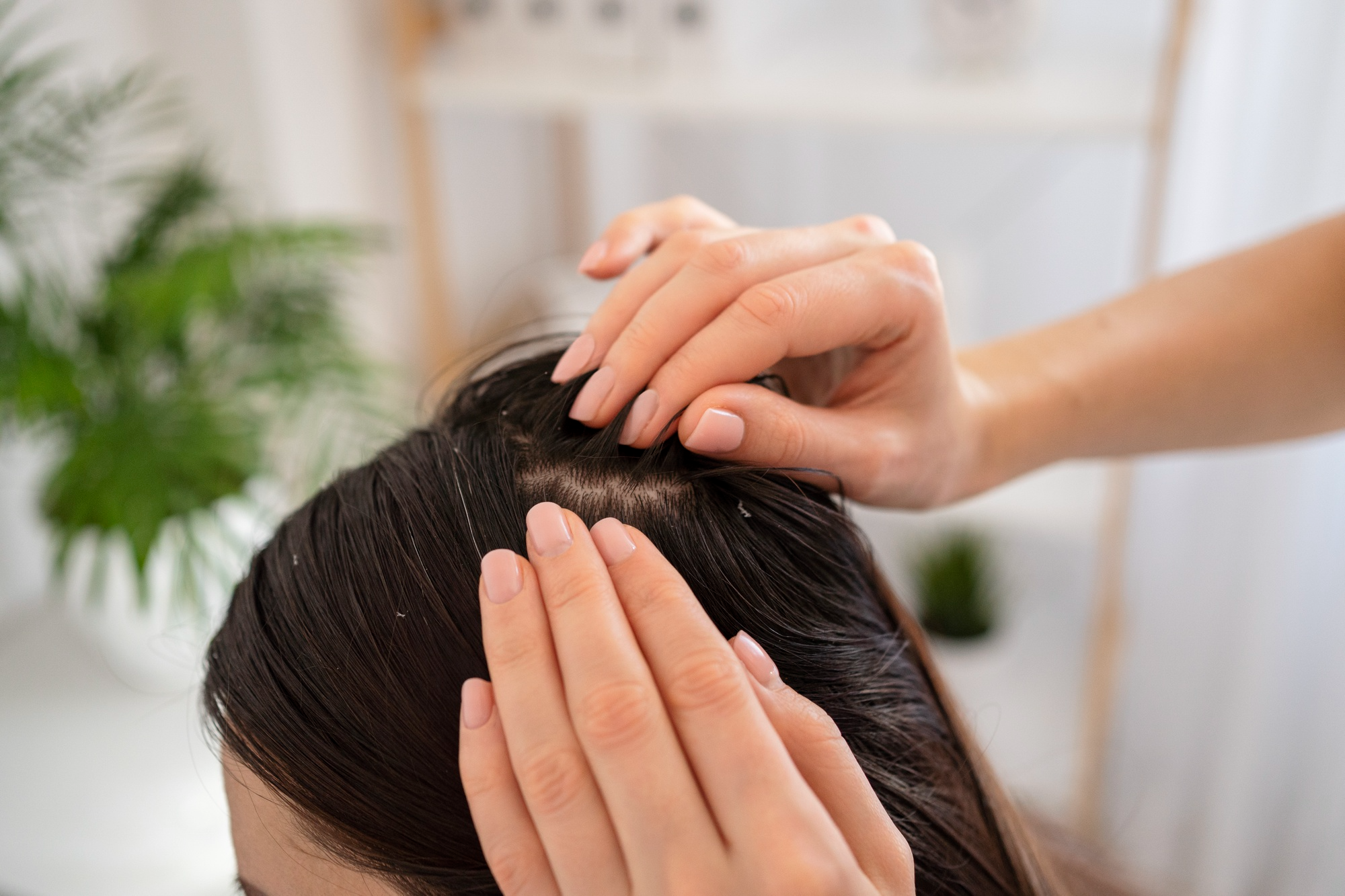
White flakes falling on your favourite black shirt can ruin your confidence instantly. Dandruff types and causes vary significantly, yet many people treat all scalp flaking the same way. This common mistake often leads to frustration and worsening symptoms.
Research shows that 70% of the Indian population suffers from dandruff, making it one of the most widespread scalp conditions. Understanding the different kinds of dandruff helps you choose the right treatment approach and achieve lasting relief from this embarrassing condition.
Understanding Dandruff
Dandruff represents a scalp condition where skin cells shed faster than normal, creating visible white or yellowish flakes. This accelerated cell turnover affects millions of people globally, with normal skin renewal taking about 28 days compared to just 7-14 days in dandruff-affected scalps.
What is dandruff?
Dandruff occurs when your scalp sheds skin cells at an abnormally rapid rate. Under normal conditions, your scalp releases about 487,000 cells per square centimetre after washing. However, during dandruff episodes, this number jumps to 800,000 cells per square centimetre, creating the visible flakes we associate with the condition.
The scientific explanation involves corneocytes; dead skin cells that normally shed invisibly. In dandruff, these cells cluster together and detach as larger, visible flakes. This process happens due to various factors, including fungal overgrowth, oil production changes, or scalp sensitivity.
Key characteristics of dandruff include:
- Accelerated skin cell turnover
- Visible white or yellow flakes
- Scalp irritation and itching
- Possible inflammation and redness
Common symptoms of dandruff
The symptoms can range from mild to severe, depending on the underlying cause and individual factors.
Primary dandruff symptoms:
- White or yellow flakes visible in hair and on clothing
- Itchy scalp that worsens with dryness
- Mild redness or inflammation
- Scalp tightness or discomfort
- Increased flaking during cold, dry seasons
Stress often worsens these symptoms, creating a cycle where anxiety about visible flakes increases stress levels, which then aggravates the condition further.
Why identifying dandruff type matters
Understanding your specific dandruff types and causes is crucial because different conditions require different treatments. Using the wrong approach can worsen symptoms and prolong suffering.
Treatment effectiveness depends on accurate identification:
- Dry scalp dandruff needs moisturising treatments
- Oily seborrheic dermatitis requires oil-control ingredients
- Fungal dandruff needs antifungal medications
- Product build-up resolves with proper cleansing techniques
Misidentifying your dandruff type can lead to treatment failures.
Types of Dandruff and Their Causes
Different kinds of dandruff stem from various underlying causes, each requiring specific treatment approaches. Understanding these distinctions helps you select the most effective solution for your particular condition.
Dry scalp dandruff
Dry scalp dandruff results from insufficient moisture in your scalp, leading to small, white, powdery flakes. This type commonly occurs during winter months or in dry climates where low humidity affects skin moisture levels.
Causes of dry scalp dandruff:
- Weather conditions (cold, dry air)
- Frequent washing with hot water
- Harsh shampoos that strip natural oils
- Naturally dry skin conditions
- Dehydration and poor nutrition
Oily scalp dandruff (Seborrheic Dermatitis)
Seborrheic dermatitis represents a more severe form of dandruff characterised by excess oil production and inflammation. This chronic condition affects areas rich in sebaceous glands, particularly the scalp, face, and body folds.
Key features of seborrheic dermatitis:
|
|
|
|---|---|
| Flake appearance | Yellow, oily, larger flakes |
| Scalp condition | Greasy, inflamed, red patches |
| Duration | Chronic with periodic flare-ups |
| Affected areas | Scalp, eyebrows, nose sides |
Fungal dandruff (Malassezia-related)
Fungal dandruff occurs when Malassezia, a naturally occurring scalp fungus, overgrows and disrupts normal skin function. This fungus feeds on scalp oils and produces oleic acid, which irritates sensitive skin and causes accelerated cell shedding.
- Excess sebum production
- Hormonal changes
- Weakened immune system
- Humid environments
- Certain hair products
Product build-up dandruff
Product build-up dandruff results from residue accumulation from styling gels, sprays, serums, and other hair products. These substances can clog hair follicles and irritate the scalp, creating flake-like residue that mimics true dandruff.
Common culprits include:
- Alcohol-based styling products
- Heavy conditioners and masks
- Dry shampoos are used excessively
- Silicone-heavy serums
- Hair sprays and gels
Psoriasis and eczema-related dandruff
Psoriasis and eczema represent autoimmune conditions that can affect the scalp, creating thick, silvery scales that resemble severe dandruff. These conditions require medical diagnosis and specialised treatment approaches.
Distinguishing features:
|
|
|
|
|
|---|---|---|---|
| Psoriasis | Thick, silvery-white | Extends beyond the hairline | Nail changes, joint pain |
| Eczema | Red, inflamed patches | Various scalp areas | Intense itching, bleeding |
| Regular dandruff | White/yellow flakes | Scalp only | Mild itching, no bleeding |
How to Identify Your Type of Dandruff
Accurate identification of your specific dandruff types and causes requires careful observation of visual clues, symptoms, and sometimes professional diagnostic tools. This assessment guides you toward the most effective treatment approach.
Visual clues: Flake size, colour, and texture
Examining your dandruff flakes provides valuable information about the underlying cause and helps determine appropriate treatment strategies.
Flake identification guide:
|
|
|
|
|
|---|---|---|---|
| Dry scalp | Small | White | Powdery, loose |
| Seborrheic dermatitis | Large | Yellow-white | Oily, sticky |
| Fungal | Medium | White | Clustered |
| Product build-up | Varies | Greyish | Waxy, artificial |
| Psoriasis | Large | Silvery-white | Thick, layered |
Scalp symptoms: Itching, redness, oiliness
Your scalp's condition provides additional clues about which different kinds of dandruff you're experiencing. These symptoms help confirm visual observations and guide treatment selection.
Symptom assessment checklist:
- Itching intensity: Mild (dry scalp) vs. intense (eczema/psoriasis)
- Scalp oiliness: Dry (moisture-deficient) vs. greasy (seborrheic)
- Redness level: None (simple dandruff) vs. significant (inflammatory conditions)
- Burning sensation: Present in severe seborrheic dermatitis
- Scalp tightness: Common in dry scalp conditions
Diagnostic tools: Wood's lamp test and scalp microscopy
Professional diagnosis becomes necessary when over-the-counter treatments fail or when symptoms suggest serious underlying conditions. Dermatologists use specialised tools for accurate assessment.
Professional diagnostic methods:
- Physical examination: Visual assessment of scalp and flakes
- Medical history review: Symptoms, triggers, previous treatments
- Scalp microscopy: Detailed examination of skin cells and microorganisms
- Wood's lamp test: Ultraviolet light examination for fungal infections
- Skin biopsy: Rarely needed for complex cases
Treatment Options Based on Type
Effective dandruff treatment requires matching the right ingredients and approaches to your specific dandruff types and causes.
Over-the-counter dandruff shampoos: Key ingredients and uses
Anti-dandruff shampoos contain specific active ingredients targeting different causes of dandruff. Understanding these ingredients helps you select the most appropriate product for your condition.
Active ingredient guide:
|
|
|
|
|
|---|---|---|---|
| Zinc pyrithione | General dandruff | Reduces fungus, slows cell turnover | 2-3 times weekly |
| Ketoconazole | Stubborn fungal dandruff | Powerful antifungal action | 2 times weekly |
| Salicylic acid | Thick flakes, build-up | Exfoliates dead skin cells | 2-3 times weekly |
| Selenium sulfide | Rapid cell turnover | Slows skin cell production | 2 times weekly |
| Coal tar | Severe scaling | Dramatically reduces cell production | 1-2 times weekly |
Lifestyle changes to support scalp health
Your daily habits play a key role in scalp health and dandruff control, and lifestyle improvements can boost treatment results.
Dietary recommendations for scalp health:
- Include omega-3 fatty acids, zinc-rich foods, and B-vitamins
- Reduce refined sugars and processed foods
- Stay hydrated with adequate water intake
Stress management is equally important, as high stress can increase oil production and worsen dandruff symptoms.
Hair care routines for dandruff control
Proper hair care routines prevent dandruff recurrence and maintain scalp health. Different hair types require adjusted approaches for optimal results.
Universal hair care guidelines:
|
|
|
|
|---|---|---|
| Daily | Oily hair/scalp | Gentle daily cleansing |
| 3-4 times weekly | Normal hair | Regular maintenance routine |
| 2-3 times weekly | Dry/curly hair | Moisture-preserving approach |
| Once weekly | Very dry/textured hair | Intensive hydration focus |
When to see a doctor: Prescription treatments and medical options
Professional medical consultation becomes necessary when over-the-counter treatments fail or when symptoms suggest serious underlying conditions.
Red flag symptoms requiring medical attention:
- Persistent symptoms after 6-8 weeks of proper treatment
- Severe redness, swelling, or intense itching
- Thick, silvery scales extending beyond the hairline
- Hair loss in affected areas
- Signs of secondary bacterial infection
- Spreading to other body areas
Prescription treatment options:
- Stronger ketoconazole formulations (2% concentration)
- Topical corticosteroids for inflammation
- Calcineurin inhibitors (pimecrolimus, tacrolimus)
- Oral antifungal medications for severe cases
- Advanced therapies like UV phototherapy
Preventing Dandruff and Maintaining Scalp Health
Long-term dandruff prevention requires consistent attention to scalp health through stress management, proper nutrition, and appropriate hair care practices. Understanding these preventive measures helps you maintain clear, healthy scalp conditions.
Managing stress and diet for scalp health
Stress can worsen dandruff by increasing oil production, which feeds fungus and leads to more flaking and irritation. Managing stress through good sleep, regular activity, and simple relaxation practices helps keep the scalp balanced. A nutrient-rich diet also supports scalp health, focusing on omega-3s, zinc, and biotin while reducing processed foods and alcohol. Balanced nutrition helps control inflammation and improve overall scalp condition.
Proper hair hygiene tips
Maintaining proper hair hygiene helps prevent dandruff while keeping the scalp balanced and comfortable. The key is regular cleansing without stripping natural oils, using gentle products suited to your scalp type. Finding the right shampooing frequency is essential, as both over-washing and under-washing can worsen scalp issues depending on your hair type and lifestyle.
Frequency guidelines by hair type:
|
|
|
|
|---|---|---|
| Fine, oily hair | Daily or every other day | Use gentle, clarifying formulas |
| Normal hair | 2-3 times weekly | Standard maintenance routine |
| Thick, dry hair | 1-2 times weekly | Focus on moisture retention |
| Curly, textured hair | Once weekly | Use hydrating, sulfate-free products |
Reducing the use of irritants and styling products
Many common hair products contain ingredients that can irritate sensitive scalps and contribute to different kinds of dandruff. Identifying and avoiding these irritants helps maintain scalp health.
Products to avoid or limit:
- Alcohol-based styling gels and sprays
- Heavy, silicone-rich serums
- Fragranced hair products
- Harsh sulfate shampoos
- Products with artificial colours
Scalp-friendly alternatives:
- Water-based styling products
- Natural oils for moisture (coconut, jojoba)
- Sulfate-free, gentle shampoos
- Unscented conditioners
- Minimal-ingredient formulations
Sunlight exposure and its effects
Moderate sunlight can support scalp health by reducing excess oil, boosting vitamin D, and helping control bacteria. However, too much exposure can damage the scalp, so balance is important.
Tips: Get 10–15 minutes of morning sun, wear a hat during peak hours, avoid long direct exposure, and use UV protection if needed.
Your Path to Comprehensive Health Protection
Managing dandruff is important for scalp health, but persistent or severe cases can sometimes signal underlying issues that need medical attention. Getting timely care from a dermatologist can help prevent minor conditions from becoming more serious.
Royal Sundaram’s Health insurance offers a range of comprehensive plans designed for individuals, families, and extended family groups, with options including Lifeline (Classic, Supreme, Elite), Multiplier, Family Plus, Arogya Sanjeevani, and Advanced Top up plans, all providing cashless treatment at over 12,500+ network hospitals across India.
Frequently Asked Questions
Common types include dry scalp dandruff, oily seborrheic dermatitis, fungal-related dandruff, product build-up, and psoriasis. Each type looks different and requires specific treatment.
Dry dandruff appears as small, white flakes and a tight scalp. Oily dandruff shows larger, yellow flakes with a greasy, sometimes inflamed scalp.
Key ingredients include zinc pyrithione, ketoconazole, salicylic acid, selenium sulfide, and coal tar. Choose based on your dandruff type and severity.
Severe dandruff can lead to temporary hair loss due to inflammation and scratching. Proper treatment usually restores normal hair growth.
Some remedies, like tea tree oil, may help reduce dandruff. However, evidence is limited, and reactions can vary.
See a dermatologist if symptoms persist beyond 6–8 weeks or worsen. Also seek help for severe itching, redness, or spreading scales.
Seborrheic dermatitis is a more severe form of dandruff with inflammation and greasy flakes. It is chronic and may affect other oily areas of the body.
Scalp psoriasis causes thick, silvery scales that may extend beyond the hairline. It is an autoimmune condition and may include other symptoms like nail changes.

Discover the perfect insurance plan for you!
Get your free quote now!
Get StartedBy Clicking on Get Started, You agree to our Terms and Conditions and override DNC/NDNC registration.
More like this
View more