You have been Successfully Subscribed to Newsletter


Protein Content in Urad Dal per 100g
May 19, 2026 • 15 Min Read
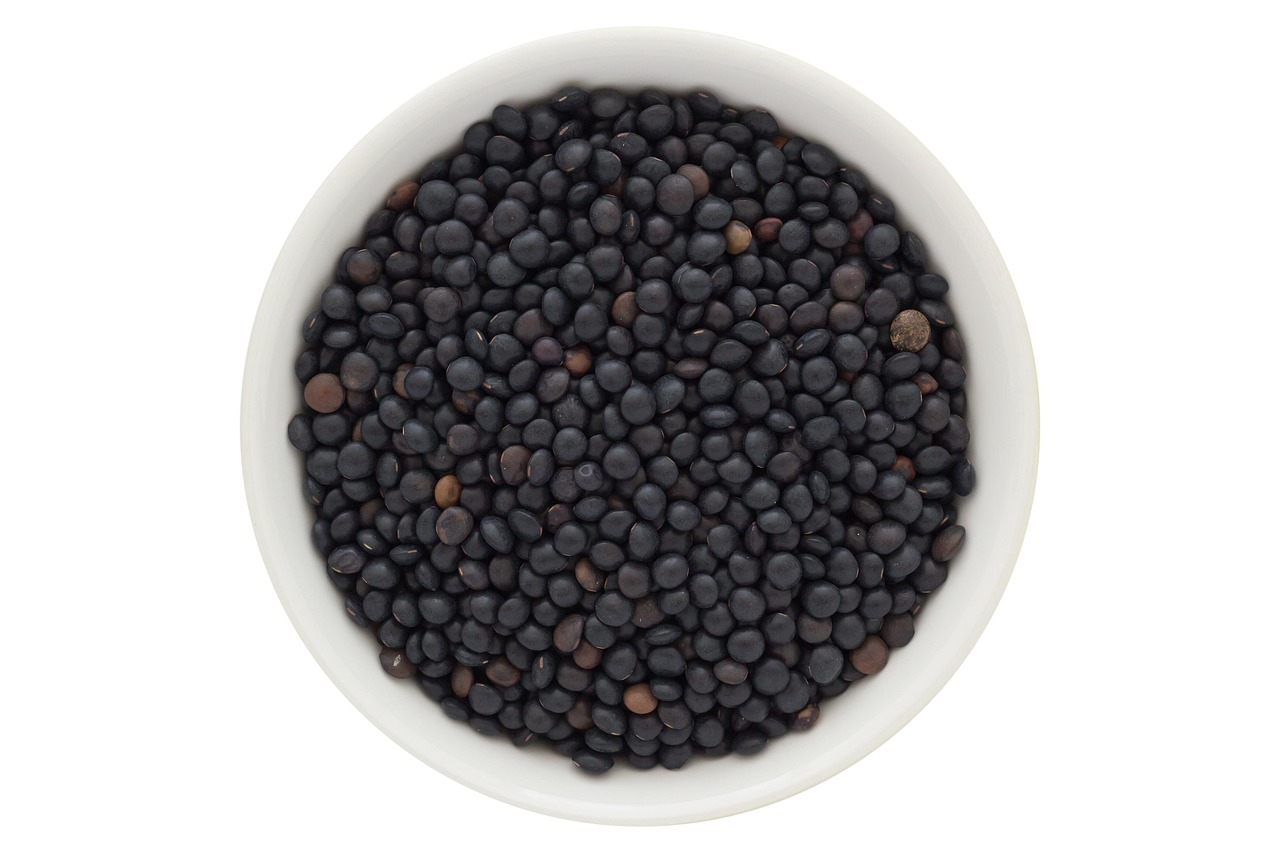
Protein deficiency affects millions of Indians, with current consumption falling well below recommended levels. Considering the high value of urad dal protein per 100g, it offers a powerful solution to this nutritional gap. At 25.21 grams per serving, this black gram stands as India's highest-protein dal variety.
As health experts report that protein intake remains inadequate across rural and urban populations, understanding urad bean nutrition becomes crucial. This comprehensive guide reveals how this affordable legume can transform your nutritional profile while supporting muscle health, heart function, and overall wellness.
Nutritional Profile of Urad Dal Per 100g
Urad dal delivers exceptional nutritional density, providing more protein than any other common Indian dal. Its comprehensive nutrient profile makes it a standout choice for health-conscious individuals seeking plant-based nutrition.
Protein Content and Comparison with Other Dals
It is the clear winner among Indian pulses because the urad dal protein per 100g content reaches an impressive 25.21 grams. This protein powerhouse surpasses other popular varieties by a significant margin.
Here's how urad dal compares with other common dals:
|
|
|
|
|
|---|---|---|---|
| Urad Dal (Black Gram) | 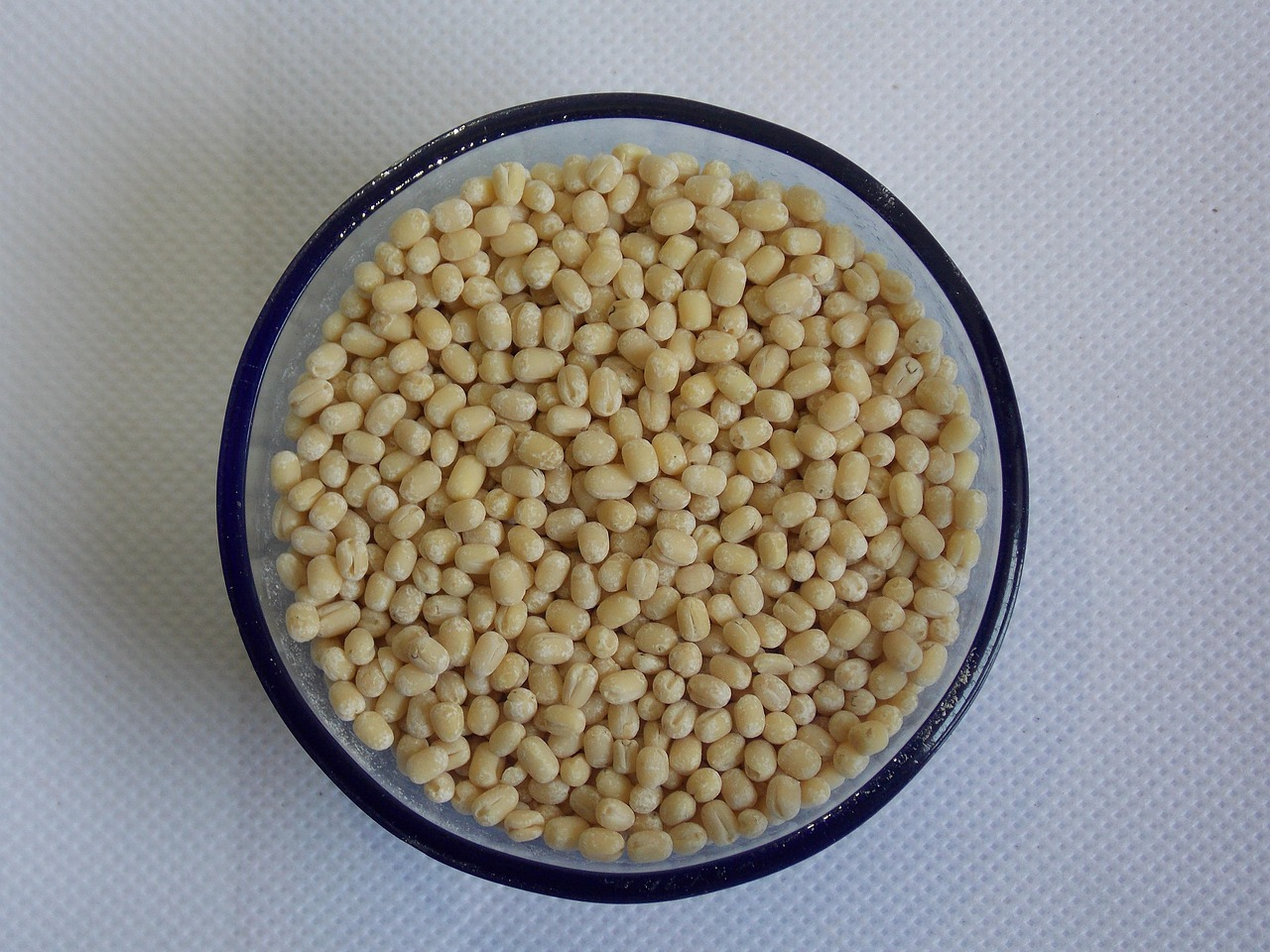
|
25.21g | 25.2% |
| Masoor Dal (Red Lentil) | 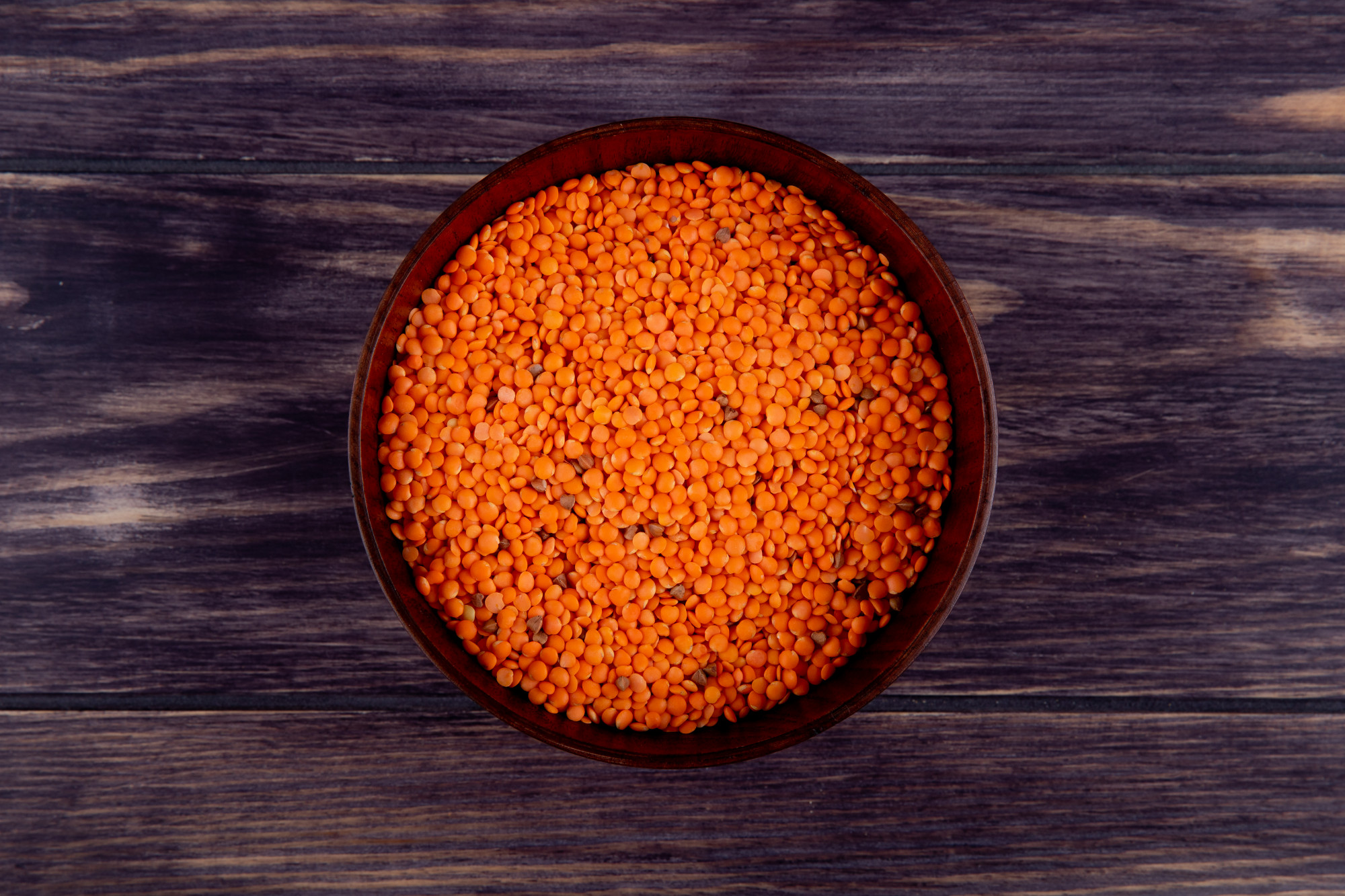
|
25g | 24% |
| Moong Dal (Green Gram) | 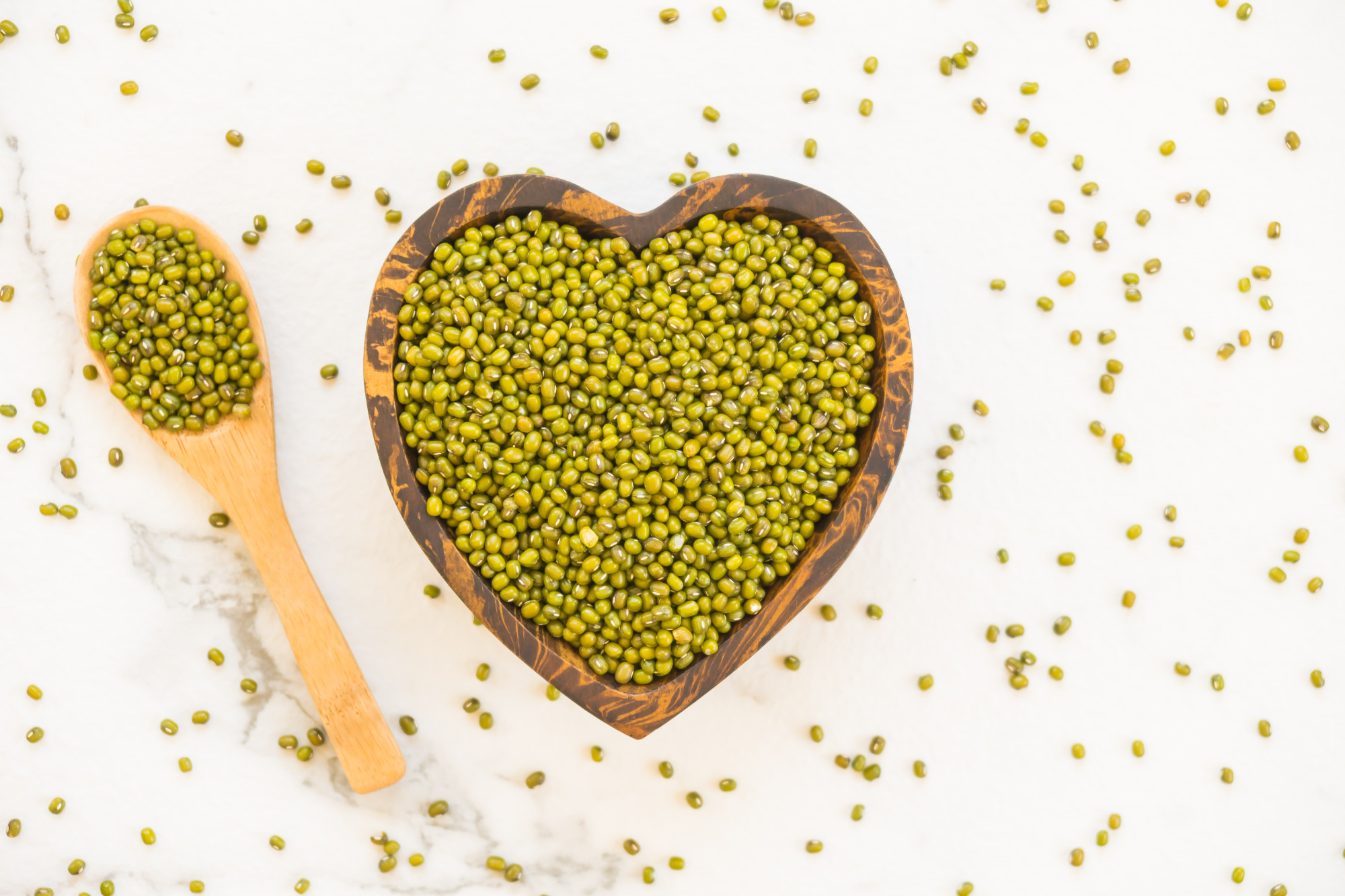
|
24g | 24% |
| Toor Dal (Pigeon Pea) | 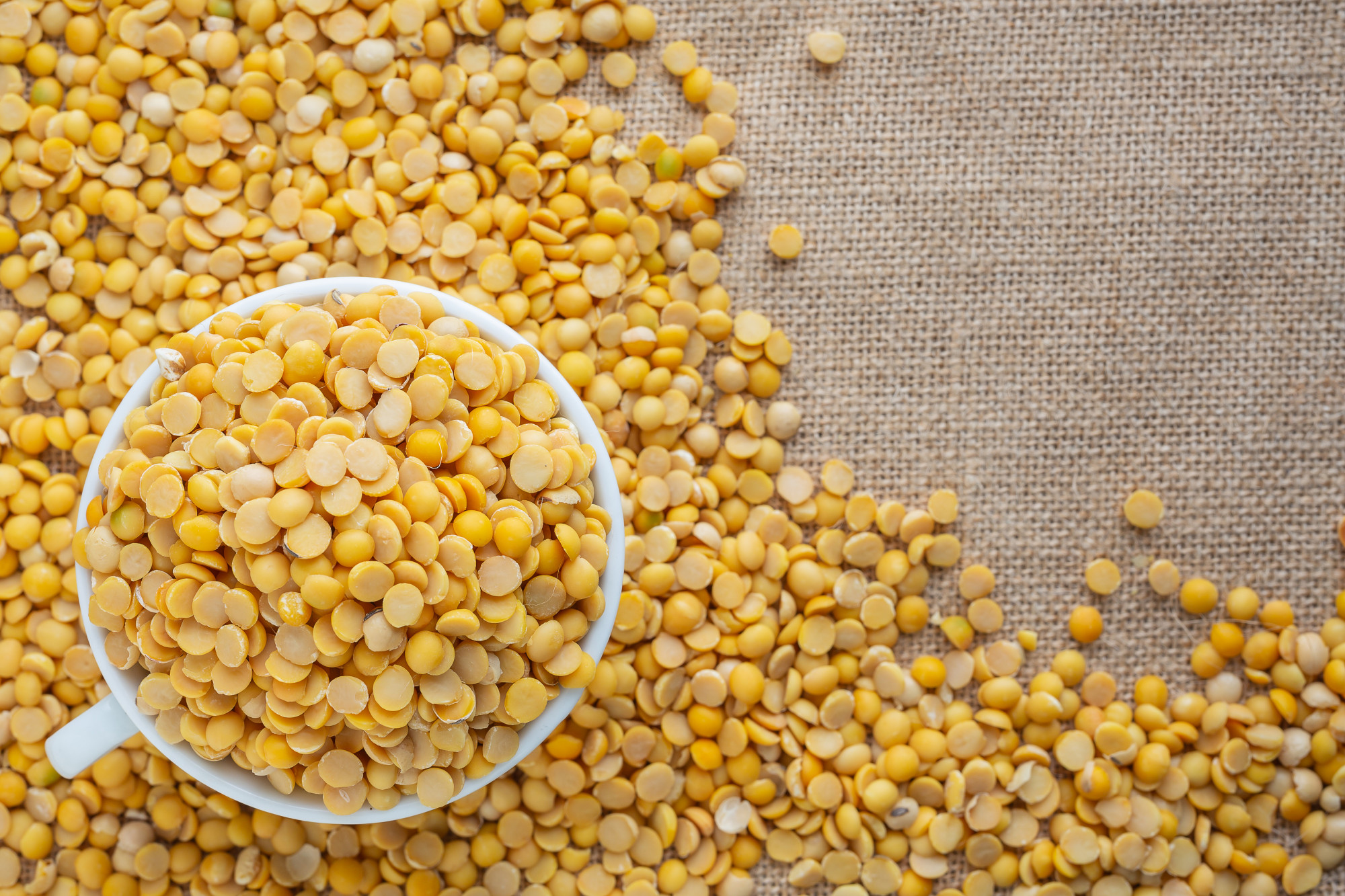
|
22.86g | 22.3% |
| Chana Dal (Bengal Gram) | 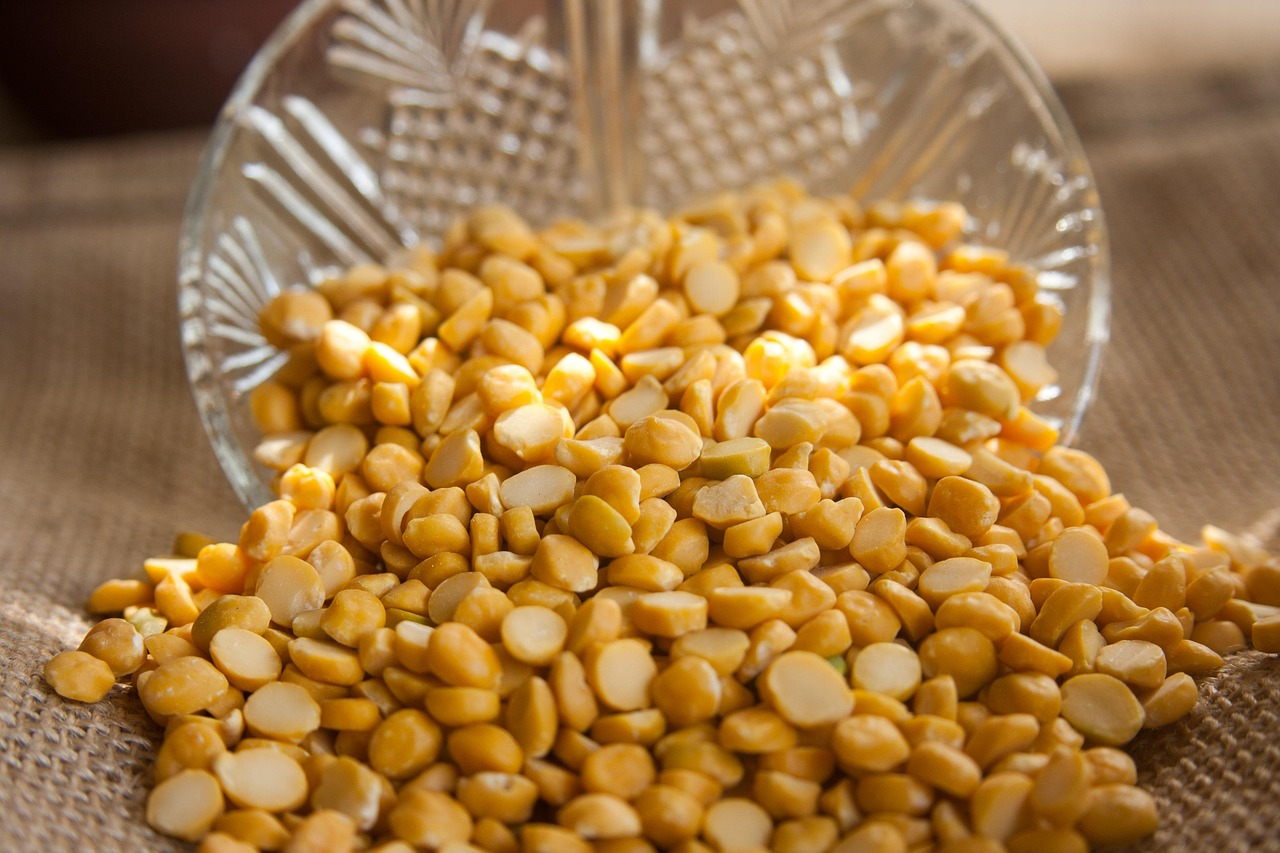
|
22g | 22% |
Disclaimer: Nutritional values are indicative and may vary by brand and processing method.
Macronutrients: Carbohydrates, Fats, and Fibre
Beyond protein, urad dal provides a well-balanced macronutrient profile that supports sustained energy and digestive health.
The complete macronutrient breakdown includes:
- Carbohydrates: 60.00 grams (providing sustained energy)
- Dietary Fibre: 29.00 grams (supporting digestive health)
- Total Fat: 1.54 grams (heart-healthy low-fat content)
- Calories: 350 Kcal per 100g serving
The high fibre content varies between whole and split varieties, with whole urad dal containing significantly more fibre than its split counterpart.
Micronutrients: Iron, Calcium, Magnesium, and Vitamins
The benefits of urad dal extend far beyond its protein content, offering exceptional micronutrient density that supports multiple body functions.
Key micronutrients per 100g include:
|
|
|
|---|---|
| Iron | 7.20 grams |
| Calcium | 200 grams |
| Magnesium | 016 grams |
| Folate | 134 µg |
| Potassium | 1.19 grams |
Disclaimer: Daily values based on standard recommended dietary allowances.
The exceptional folate content makes urad dal particularly valuable for pregnant women, while the high iron content helps combat anaemia.
Health Benefits of Urad Dal Protein
Regular consumption of urad dal provides multiple health advantages, from muscle support to heart protection. These benefits make it an essential component of a balanced Indian diet.
Supports Muscle Repair and Growth
The high-quality protein in urad dal plays a crucial role in muscle development and repair. This plant-based protein source effectively supports muscle synthesis when combined with proper exercise.
Benefits for muscle health include:
- Essential amino acids for muscle repair
- Natural bodybuilding supplement alternative
- Post-workout recovery support
- Muscle mass maintenance for ageing adults
Role in Heart Health and Cholesterol Reduction
The benefits of urad dal for cardiovascular health stem from its unique combination of fibre, low-fat content, and essential minerals.
Heart-protective properties include:
- Fibre helps reduce LDL (bad) cholesterol
- Magnesium supports proper heart rhythm
- Potassium aids blood pressure regulation
- Antioxidants prevent arterial damage
Blood Sugar Regulation and Diabetes Management
Urad dal's low glycemic index makes it an excellent choice for blood sugar management. The high fibre content slows glucose absorption, preventing dangerous spikes.
Diabetic-friendly features include:
- Low glycemic index for stable blood sugar
- Complex carbohydrates for sustained energy
- Fibre slows insulin release
- Helps improve insulin sensitivity
Digestive Health and Prebiotic Effects
The prebiotic properties of whole urad dal support beneficial gut bacteria growth, promoting overall digestive wellness.
Digestive benefits include:
- Prebiotic fibre feeds good bacteria
- Prevents constipation naturally
- Supports a healthy gut microbiome
- Improves overall digestive function
How to Incorporate Urad Dal Into Your Diet
Versatile preparation methods make urad dal easy to include in daily meals. Traditional and modern cooking techniques unlock its nutritional potential.
Common Culinary Uses and Recipes
Indian cuisine incorporates urad bean nutrition into numerous delicious, time-tested recipes.
Popular preparations include:
- Dal Makhani: Rich, creamy curry preparation
- Dosa: Fermented batter with rice for breakfast
- Idli: Steamed cakes using fermented batter
- Medu Vada: Crispy fritters for snacks
Sprout Activation and Its Benefits
Sprouting urad dal increases nutrient availability and improves digestibility significantly.
Sprouting process:
- Soak whole urad dal overnight (8–12 hours)
- Drain and wrap in a damp cloth
- Leave for 24–48 hours until sprouts appear
- Use fresh in salads or cook lightly
Pairing Urad Dal with Other Foods for Complete Protein
Combining urad dal with grains creates complete protein profiles containing all essential amino acids.
Optimal combinations include:
- Dal-Rice: Classic combination providing complete amino acids
- Dal-Wheat: Roti with dal for balanced nutrition
- Dal-Millet: Modern healthy grain combination
Potential Side Effects and Precautions
While nutritious, urad dal requires proper preparation to avoid digestive issues. Understanding the potential side effects of urad dal helps ensure safe consumption.
Digestive Considerations and Soaking Tips
Proper preparation minimises digestive discomfort and maximises nutrient absorption.
Preparation guidelines:
- Soak whole urad dal overnight (8–12 hours)
- Soak split urad dal for 15–30 minutes
- Add digestive spices like cumin, ginger, or asafoetida
- Start with small portions to assess tolerance
Interactions with Medications and Health Conditions
Certain health conditions require careful consideration before consuming urad dal regularly.
Caution advised for:
- Kidney stones: High oxalate content may contribute to stone formation
- Gout: High purine content can worsen uric acid levels
- Kidney disease: High potassium and protein may need limitation
- IBS: May cause bloating in sensitive individuals
Urad Dal Compared to Other Protein Sources
Understanding how urad dal stacks against other proteins helps make informed dietary choices.
Plant-Based vs Animal Protein
While urad dal lacks methionine, combining it with grains creates a complete protein comparable to animal sources.
Key differences:
- Cost-effectiveness: More affordable than animal proteins
- Environmental impact: Lower carbon footprint
- Accessibility: Long shelf life and easy storage
- Cultural acceptance: Traditional Indian dietary staple
Advantages Over Other Pulses and Legumes
Statistical data confirms that urad dal has the highest protein content among Indian dals, with approximately 25.21 grams per 100g, making it superior to other legume options.
Additional advantages include:
- Higher protein density than most legumes
- Rich mineral profile
- Versatile cooking applications
- Traditional medicinal properties
Your Health Protection Journey
While understanding urad bean nutrition is important, it represents just the first step towards better health. While proper nutrition forms the foundation of wellness, unexpected health challenges can arise despite our best efforts.
Royal Sundaram General Insurance recognises that comprehensive health protection goes beyond good nutrition. Our health insurance plans provide essential coverage when medical needs arise. Protecting your wellness journey is easy with our comprehensive coverage health insurance for individuals and families, featuring cashless treatment access to over 10,000 network hospitals, all within our customisable Lifeline Plan that adapts to your specific needs.
Frequently Asked Questions
The fact that urad dal protein per 100g reaches 25.21 grams establishes it as the highest protein dal among Indian varieties. Whole urad dal typically contains slightly more protein than split versions.
Urad dal alone lacks methionine, making it incomplete. However, when paired with rice or wheat, it provides all essential amino acids, creating a complete protein profile.
Yes, the high-quality plant protein in urad dal supports muscle repair and growth when combined with regular exercise and adequate overall nutrition.
Side effects of urad dal may include digestive discomfort, gas, or bloating if not properly soaked. People with gout or kidney stones should consume it cautiously due to purine and oxalate content.
The fiber content helps reduce cholesterol levels, while magnesium supports heart rhythm regulation. Its low fat content and antioxidants contribute to cardiovascular protection.
Sprouting increases nutrient availability, reduces antinutrients, and improves digestibility. Sprouted urad dal provides enhanced protein absorption and easier digestion.
Combine urad dal with grains like rice for complete amino acids, soak properly before cooking, and add digestive spices to improve absorption and reduce side effects.
Urad dal is good for diabetics due to its low glycemic index and high fiber. It aids blood sugar regulation by ensuring glucose is released slowly into the bloodstream.

Discover the perfect insurance plan for you!
Get your free quote now!
Get StartedBy Clicking on Get Started, You agree to our Terms and Conditions and override DNC/NDNC registration.
More like this
View more