You have been Successfully Subscribed to Newsletter


Your Complete Guide to Vitamin B3-Rich Foods
May 22, 2026 • 15 Min Read
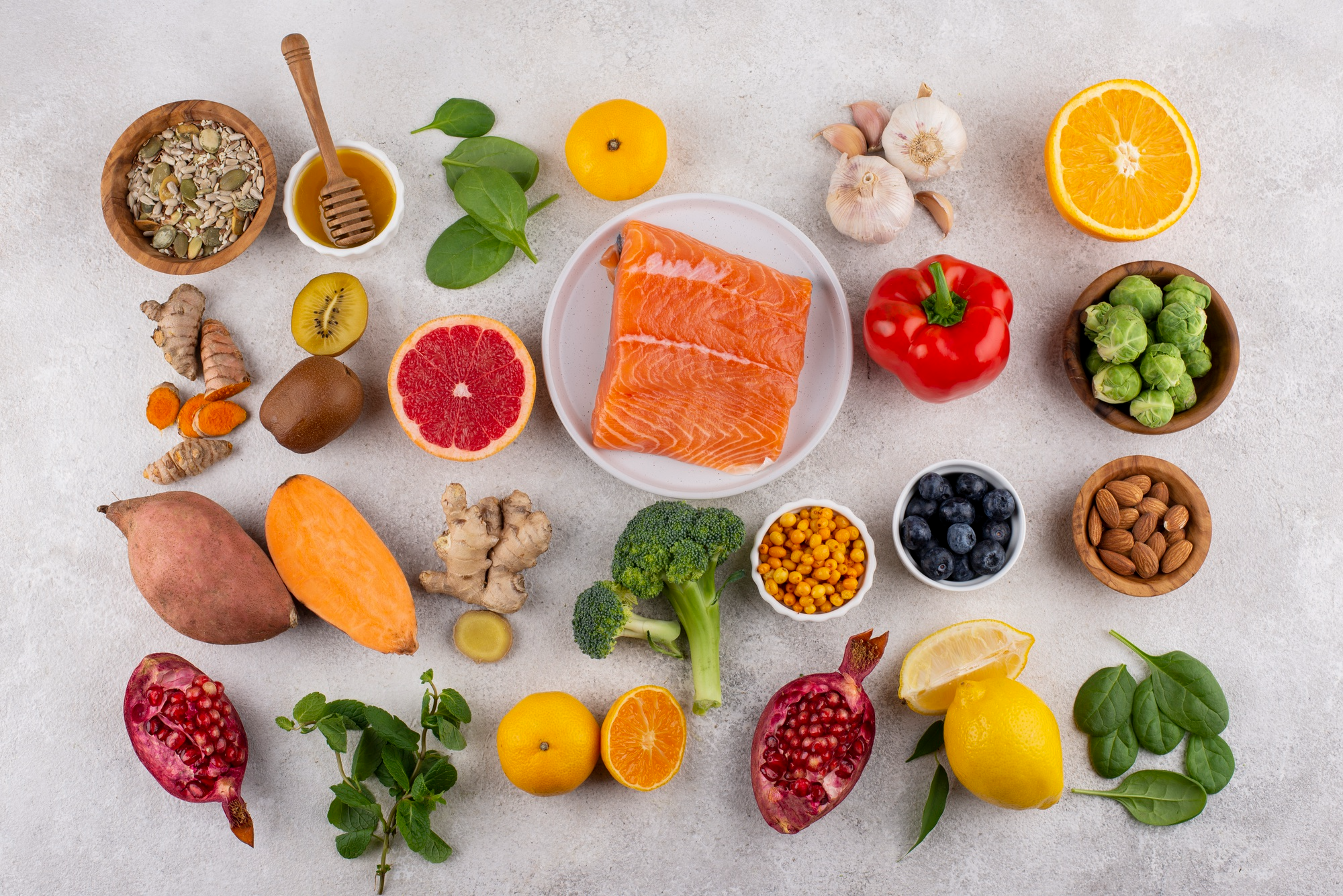
Your body runs on a complex network of nutrients working together to keep you energised and healthy. Among these essential nutrients, vitamin B3 stands out as a powerhouse that turns the food you eat into usable energy. Yet many people don't realise how crucial this vitamin is for their daily functioning.
Despite India's rich culinary traditions, nutritional challenges persist, making it important to focus on key nutrients like vitamin B3 for daily energy and health. Understanding vitamin B3-rich foods becomes even more important in this context. Learn everything you need to know in this guide.
What is Vitamin B3 (Niacin)?
Vitamin B3 (niacin) is a water soluble B vitamin that helps convert the food you eat into energy and supports the health of your nervous system, digestion, and skin. Because it isn’t stored in large amounts and excess is lost in urine, regular daily intake from food is important.
Forms of Vitamin B3
The main dietary forms are nicotinic acid and nicotinamide, both of which are converted into the coenzymes NAD and NADP that power hundreds of metabolic reactions. Nicotinic acid can cause flushing at higher supplemental doses, whereas nicotinamide generally does not, even though both prevent deficiency equally well.
Role in the Body
Vitamin B3 helps your body turn food into energy and supports digestion, skin, and nerves. It powers key processes like breaking down carbs, fats, and proteins.
Importance of Dietary Intake Due to Water Solubility
Unlike fat-soluble vitamins that your body stores in tissues, niacin dissolves in water and gets excreted through urine when consumed in excess. This means your body cannot stockpile vitamin B3 for future use, making daily intake essential.
Recommended Intake and Safety Levels
Meeting your daily niacin requirements ensures proper cellular function while avoiding both deficiency and toxicity risks. The recommendations vary based on age, gender, and life stage, with specific safety thresholds to prevent adverse effects.
Daily Recommended Intake (RDA) by Age and Gender
Current ICMR-NIN 2020 guidelines provide specific recommendations for Indian populations based on activity levels. Here's the breakdown for adults:
|
|
|
|
|
|---|---|---|---|
| Men | 14 mg/day | 18 mg/day | 23 mg/day |
| Women | 11 mg/day | 14 mg/day | 18 mg/day |
Certain groups need adjusted nutrient intake. Pregnant women should get an extra 2.5 mg each day, while breastfeeding mothers need an additional 5 mg to support their own metabolism and their baby’s growth. These higher requirements come from the body’s increased metabolic demands during these important times.
Disclaimer: These are general guidelines. Consult a doctor or nutritionist for personalised advice based on your health and activity.
Tolerable Upper Intake Levels (UL) and Safety
For adults, the tolerable upper intake level for niacin from supplements and fortified foods is 35 mg per day, a limit set mainly to prevent flushing and other mild adverse effects; this cap does not apply to naturally occurring niacin in foods, which has not been linked to toxicity.
Nicotinic acid can trigger flushing even at modest supplemental doses, whereas nicotinamide is generally tolerated at much higher intakes without causing these skin reactions, so product form matters when evaluating safety.
Risks of Excess Intake and Toxicity Symptoms
High-dose niacin supplementation can produce several concerning effects. Acute symptoms include skin flushing, itching, and gastrointestinal upset. Chronic high intake, particularly doses around 3,000 mg daily, may cause liver toxicity, visual disturbances, and impaired glucose tolerance.
Disclaimer: These intake values are general nutrition guidelines. Individual needs may vary based on health conditions, activity level, and medical history. Please consult a qualified doctor or registered nutritionist for personalised advice.
Top Natural Sources of Vitamin B3
A diverse range of foods provides excellent niacin content, allowing you to meet daily requirements through balanced eating. Both animal and plant sources contribute significantly to vitamin B3 intake, each offering unique nutritional profiles.
Animal-Based Foods
Animal proteins rank among the richest sources of vitamin B3, providing highly bioavailable forms that your body readily absorbs. Here's a comparison of top animal sources:
|
|
|
|
|
|---|---|---|---|
| Beef Liver | 85g | 14.7 mg | 91% (men), 100%+ (women) |
| Tuna (canned) | 165g | 21.9 mg | 100%+ |
| Chicken Breast | 85g | 10.3 mg | 64% (men), 73% (women) |
| Turkey Breast | 85g | 6.3 mg | 39% (men), 45% (women) |
| Salmon | 85g | 8.5 mg | 53% (men), 61% (women) |
Disclaimer: Vitamin B3 content may vary depending on food quality, portion size, and cooking method.
Plant-Based Foods
Plant-based vitamin B3-rich foods offer excellent options for vegetarians and those seeking diverse nutrition sources. While generally containing less niacin per serving than animal products, they provide valuable amounts when consumed regularly.
Key plant sources include:
- Fatigue and weakness: Reduced energy production affects overall vitality
- Irritability and mood changes: Brain glucose metabolism becomes impaired
- Poor concentration: Mental clarity decreases as brain energy supply drops
- Muscle pain and tenderness: Energy-dependent muscle function suffers
- Poor appetite: Digestive system function becomes compromised
Whole Grains and Fortified Foods
Fortified grains and cereals represent major niacin contributors in many diets. Since the 1940s, white flour fortification has been mandatory in many countries, making bread, pasta, and cereals significant sources of vitamin B3.
Whole grains naturally contain niacin, though in less bioavailable forms compared to fortified products. Brown rice, whole wheat, and fortified breakfast cereals can provide substantial portions of daily requirements, especially when consumed as dietary staples.
Disclaimer: Nutrient levels can vary by food quality, soil, and cooking. Aim for variety in your diet. Consult a nutritionist for specific needs.
Bioavailability and Absorption Considerations
The form of niacin in different foods significantly affects how well your body can use it. Understanding these differences helps you make informed choices about the most effective sources of vitamin B3 for meeting your nutritional needs.
Niacin Forms in Foods and Their Absorption Efficiency
Animal foods provide niacin mainly as NAD and NADP, which are easily converted to usable niacin during digestion and absorbed efficiently. Many plant foods, especially untreated corn, contain niacin bound to other molecules, so much less is absorbed unless the food is specially processed.
Effect of Food Processing on Niacin Bioavailability
Traditional processing methods can dramatically improve niacin availability from certain foods. Nixtamalisation, an alkaline treatment used in making tortillas and hominy, releases bound niacin from corn, making it available for absorption.
Conversion of Tryptophan to Niacin and Its Dietary Importance
The body can convert the amino acid tryptophan to niacin, but this is limited; about 60 mg of tryptophan yields just 1 mg of niacin equivalent under good conditions. This pathway also requires vitamin B2, vitamin B6, and iron, so deficiencies in these nutrients reduce conversion and increase reliance on preformed niacin from food.
Health Benefits of Vitamin B3-Rich Foods
Regular consumption of vitamin B3-rich foods supports multiple aspects of health beyond basic nutrient requirements. These benefits extend from cellular energy production to potential protection against chronic diseases.
Energy Production and Metabolism Support
Niacin serves as the foundation for cellular energy production through its role in NAD and NADP formation. These coenzymes participate directly in glycolysis, the citric acid cycle, and fatty acid oxidation, the primary pathways your body uses to extract energy from food.
Adequate niacin intake helps prevent fatigue related to suboptimal energy metabolism, particularly important for physically active individuals with higher metabolic demands.
Cardiovascular Health
While high-dose nicotinic acid can improve cholesterol profiles by raising HDL and lowering triglycerides, recent clinical trials show no reduction in heart attacks or strokes when added to standard treatments. These studies also documented increased adverse effects in the niacin groups.
Antioxidant Properties and Potential Role in Chronic Disease Prevention
Through its involvement in redox reactions and DNA repair mechanisms, niacin indirectly supports cellular antioxidant defences. NAD serves as the sole substrate for enzymes involved in DNA repair, making adequate niacin crucial for genome stability.
Cognitive Health and Niacin's Role in Brain Function
Severe niacin deficiency causes significant neurological symptoms, including confusion, depression, and dementia in pellagra cases. This connection highlights niacin's importance for normal brain function and nervous system health.
Disclaimer: The health benefits described are associated with balanced dietary intake. They do not replace medical treatment or prescribed medication.
Who Needs to Pay Extra Attention to Vitamin B3 Intake?
Certain populations face an increased risk of niacin deficiency due to medical conditions, dietary restrictions, or medication interactions. These groups require careful attention to sources of vitamin B3 to maintain optimal health.
Groups at Risk of Deficiency
Pellagra and milder niacin deficiency occur most frequently in undernourished populations, people with chronic alcohol use disorders, and those with malabsorptive diseases. In India's context, where 200 million people are estimated to be malnourished, ensuring adequate niacin intake becomes particularly crucial.
Hartnup disease, a rare genetic disorder affecting tryptophan transport, also increases niacin requirements by reducing the body's ability to synthesise niacin from tryptophan.
Vegetarians and Vegans
Plant-based eaters can meet niacin needs by combining legumes, nuts, whole grains, potatoes, and fortified products. Since plant sources generally provide less bioavailable niacin, variety and adequate protein intake to support tryptophan conversion become essential.
Patients Using Specific Medications Affecting Niacin Levels
Some medications, like those commonly used for TB treatment, can affect vitamin B3 levels. Talk to your doctor if you're on long-term meds.
Disclaimer: Dietary needs can change with medication use. Always consult your doctor before making dietary changes if you are on long-term treatment.
Incorporating Vitamin B3-Rich Foods into Your Diet
Creating a balanced approach to niacin intake involves combining various foods containing vitamin B3 throughout your daily meals. Strategic planning ensures adequate intake while supporting overall nutritional quality.
Tips for Including Animal and Plant Sources
Consider these practical strategies for boosting niacin intake:
- Breakfast: Choose fortified cereals or add peanut butter to whole-grain toast
- Lunch: Include grilled chicken, tuna salad, or mushroom-based dishes
- Dinner: Feature salmon, lean beef, or turkey with sweet potatoes or brown rice
- Snacks: Opt for nuts, seeds, or small portions of beef jerky
This approach spreads niacin intake across meals while providing diverse nutrients and flavours.
Balancing Intake from Natural vs. Fortified Sources
Most people can meet niacin requirements through a combination of whole foods and fortified products. Natural sources like meat, fish, and nuts provide the foundation, while fortified grains help fill any gaps.
This balanced approach supports overall diet quality while staying well below safety thresholds for supplemental niacin intake.
Cooking and Preparation Methods to Preserve Niacin
Niacin demonstrates good heat stability compared to other B vitamins, but some loss can occur during cooking. To maximise retention:
- Use minimal water when boiling vegetables
- Save cooking liquids for soups and stews
- Favour steaming, baking, and grilling over prolonged boiling
- Store foods properly to minimise nutrient degradation
Disclaimer: Meal suggestions are for general guidance only and may not suit all dietary needs or medical conditions.
Building a Healthier Future with Smart Choices
Eating vitamin B3-rich foods supports energy and health. Pair this with regular check-ups for long-term well-being. Royal Sundaram health insurance plans offer cashless access to over 10,000 hospitals across India, covering hospital stays, emergencies, and wellness needs to protect against unexpected medical costs.
Frequently Asked Questions
Top animal sources include liver (14.7 mg per 85g), tuna (21.9 mg per can), and chicken breast (10.3 mg per 85g). Plant sources like peanuts, mushrooms, and fortified cereals provide valuable amounts for vegetarian diets.
Adults need 14 mg daily for men and 11 mg for women under sedentary conditions, increasing to 18-23 mg for men and 14-18 mg for women with higher activity levels. Pregnant women need an additional 2.5 mg, while lactating mothers require an extra 5 mg daily.
Your body can convert tryptophan to niacin, but this process is limited and inefficient. Approximately 60 mg of tryptophan produces only 1 mg of niacin, making dietary sources essential for meeting daily requirements.
Food sources are safe, but supplement doses above 35 mg daily can cause flushing, itching, and gastrointestinal upset. Very high doses around 3,000 mg daily may lead to liver toxicity and other serious complications.
Well-planned plant diets including nuts, legumes, whole grains, and fortified products can meet niacin needs. Combining multiple sources and ensuring adequate protein intake for tryptophan conversion helps vegetarians and vegans maintain optimal levels.
Severe deficiency causes pellagra, characterised by skin rash, diarrhoea, confusion, and depression. Early symptoms include fatigue, digestive problems, and skin changes. An untreated deficiency can progress to dementia and potentially fatal complications.
Niacin tolerates heat well but can leach into cooking water. Using minimal water, saving cooking liquids, and favouring steaming or baking over prolonged boiling helps preserve vitamin content in prepared foods.
Most healthy individuals obtain enough niacin from a balanced diet and do not need supplements; high-dose niacin is mainly used under medical supervision for specific conditions because of its side effect profile.
General Disclaimer: This article is for informational purposes only. It does not provide medical diagnosis or treatment. For health concerns, nutrient deficiencies, or supplement use, consult a qualified healthcare professional.

Discover the perfect insurance plan for you!
Get your free quote now!
Get StartedBy Clicking on Get Started, You agree to our Terms and Conditions and override DNC/NDNC registration.
More like this
View more