You have been Successfully Subscribed to Newsletter


Essential Vitamin E Fruits and Vegetables for Optimal Wellness
May 22, 2026 • 15 Min Read
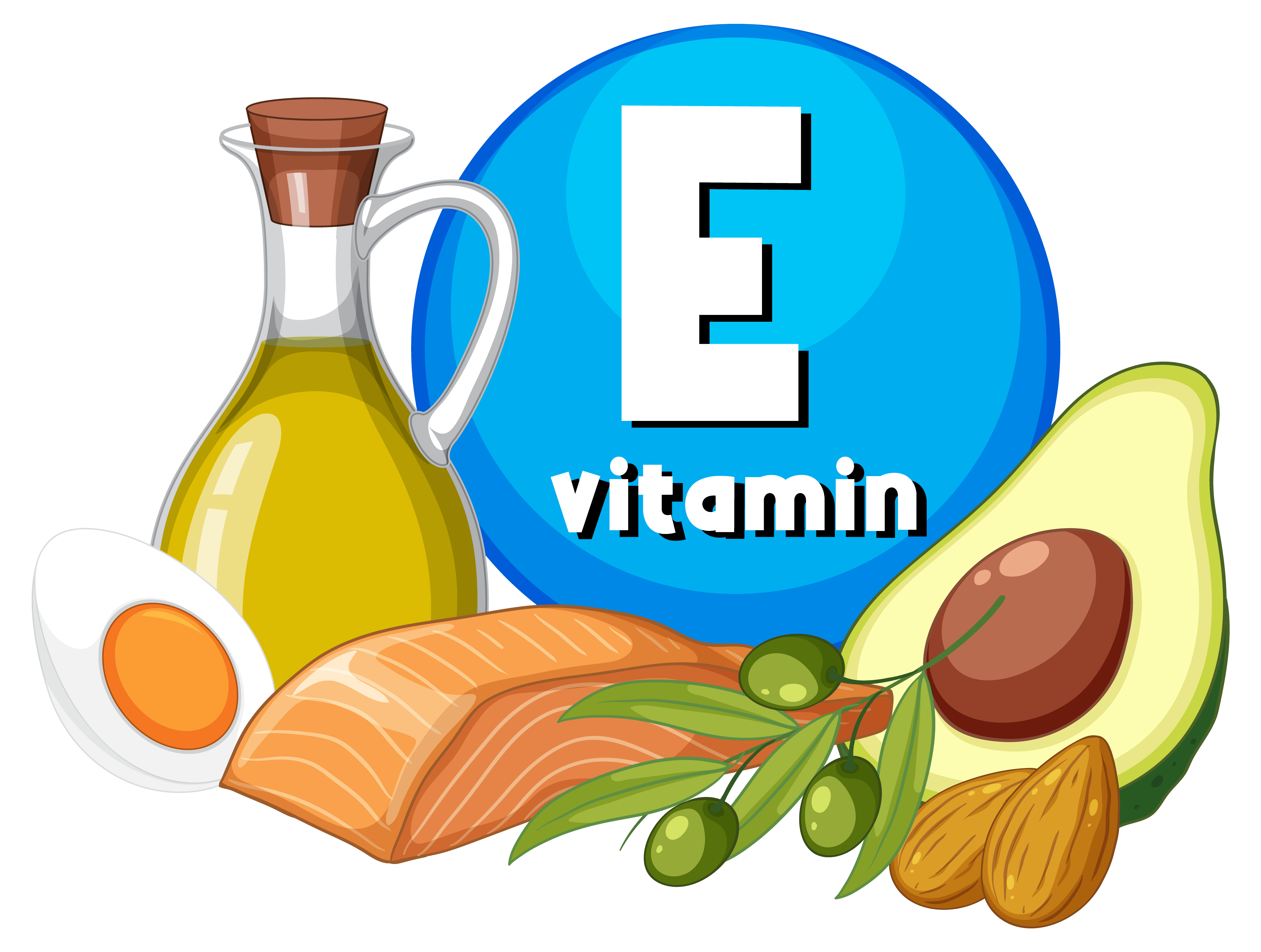
Your body fights millions of free radicals daily—unstable molecules that damage healthy cells and speed up ageing. Learning about what vitamin E is becomes crucial here, as this powerful antioxidant serves as your cellular defence system. Unlike water-soluble vitamins that flush out quickly, vitamin E stays in your cell membranes, protecting them from oxidative damage.
The importance of vitamin E extends beyond basic nutrition. This fat-soluble vitamin supports immune function, blood clotting, and nerve health while keeping your skin glowing and eyes sharp. Let's explore how the right fruits and vegetables high in vitamin E can transform your health naturally.
What Is Vitamin E and Why Does It Matter
Vitamin E functions as your body's primary fat-soluble antioxidant, protecting cell membranes from oxidative damage while supporting immune function and blood clotting. This essential nutrient exists in eight different forms, but alpha-tocopherol remains the most important for human health.
Forms of Vitamin E: Alpha-Tocopherol and Others
Natural vitamin E, called RRR-alpha-tocopherol or d-alpha-tocopherol, proves more potent than synthetic versions. The synthetic form, all rac-alpha-tocopherol or dl-alpha-tocopherol, contains only 73.5% of natural vitamin E's potency. Your body specifically maintains alpha-tocopherol in blood plasma, making it the only form that counts toward daily requirements.
Role of Vitamin E in the Body
Vitamin E breaks oxidation chains in cell membranes by neutralising peroxyl radicals before they damage healthy fats. This antioxidant reacts with free radicals a thousand times faster than unsaturated fatty acids, effectively protecting every cell membrane in your body. Beyond antioxidant functions, it supports immune responses and prevents blood clots in the heart arteries.
Health Benefits Linked to Vitamin E
Research shows vitamin E may slow age-related macular degeneration progression and benefit type 2 diabetes management. Mediterranean diets rich in antioxidant foods, including vitamin E, fruits and vegetables, demonstrate cardiovascular protection. However, whole food sources provide superior benefits compared to isolated supplements.
Recommended Daily Intake of Vitamin E
Adults require 15mg of natural vitamin E daily, with specific increases during pregnancy and lactation. Understanding these requirements helps you plan meals that meet your nutritional needs through natural food sources.
General Guidelines for Adults
The recommended daily allowance stands at 15mg (22 International Units) for healthy adults aged 19 and above. This amount provides adequate protection for red blood cells when exposed to hydrogen peroxide stress testing. Most people can easily meet these requirements through a balanced diet rich in vitamin E, fruits and vegetables.
Needs in Pregnancy and Lactation
Pregnant women maintain the same 15mg daily requirement, while breastfeeding mothers need 19mg daily. These increased needs support both maternal health and infant development. Regional guidelines may vary, with some recommendations reaching 22-30mg during pregnancy for optimal outcomes.
Groups at Risk of Deficiency
People with fat malabsorption disorders face the highest deficiency risk. Conditions like Crohn's disease, cystic fibrosis, and chronic pancreatitis prevent proper vitamin E absorption. Premature infants also show vulnerability due to low vitamin E reserves and immature digestive systems.
Top Fruits High in Vitamin E
Tropical and subtropical fruits lead in vitamin E content among plant foods. These natural sources provide the most bioavailable forms of this essential antioxidant along with complementary nutrients that boost absorption.
Mamey Sapote
This tropical fruit champion contains 5.9mg of vitamin E per half fruit - nearly 39% of your daily needs. With 2.1mg per 100g, mamey sapote ranks highest among all fruits for vitamin E density. Enjoy it fresh or blend it into smoothies for maximum nutrient retention.
Avocado
Half an avocado provides 2.1mg of vitamin E (14% daily value), while pureed avocado delivers even more at 4.76mg per cup. This creamy fruit's healthy fats also help your body absorb vitamin E more effectively, making it an ideal vitamin E-rich fruit and vegetable choice.
Mango
Each medium mango contains 1.5mg of vitamin E (10% daily value), combining sweetness with nutrition. Popular in Asian cuisines, mangoes work well fresh, in salads, or as traditional desserts. Their natural sugars provide quick energy while delivering antioxidant protection.
Kiwi
One medium kiwi offers 1.0mg of vitamin E (7% daily value) along with exceptional vitamin C content. The edible seeds add texture while contributing additional nutrients. Peel and slice for easy consumption or scoop directly from the halved fruit.
Other Fruits with Notable Vitamin E
Several other fruits contribute meaningful vitamin E:
- Blackberries: 1.7mg per cup (high fibre bonus)
- Cranberries: 1.2mg per 100g (urinary tract benefits)
- Guava: Moderate vitamin E with exceptional vitamin C
Top Vegetables High in Vitamin E
Leafy greens and colourful vegetables provide excellent vitamin E sources while delivering multiple other essential nutrients. These foods form the foundation of healthy eating patterns worldwide.
Red Sweet Pepper
One medium raw red sweet pepper contains 1.9mg of vitamin E (13% daily value) plus an impressive 212% of daily vitamin C needs. Red peppers contain higher vitamin levels than green varieties, making them superior fruits and vegetables high in vitamin E.
Spinach
Cooked spinach delivers 3.74mg of vitamin E per cup - nearly 25% of daily requirements. Since spinach lacks natural fats, pair it with olive oil, nuts, or seeds to boost vitamin E absorption. Light cooking preserves more nutrients than prolonged boiling.
Turnip Greens
These nutritious leaves pack 1.6 mg of vitamin E per cooked cup (10% daily value) along with vitamins A, C, and K. Enjoy turnip greens raw in salads or lightly cooked in warm dishes. They’re a nutrient-dense choice that supports heart, bone, and eye health.
Butternut Squash
Half a cup of cooked butternut squash contains 1.3mg of vitamin E (9% daily value) plus beta-carotene for eye protection. This versatile vegetable works well roasted, mashed, or in soups. Its natural sweetness appeals to all ages.
Other Vegetables with Vitamin E
Additional vegetable sources include:
- Beet greens: 1.3mg per half cup cooked
- Broccoli: 1.1mg per half cup cooked
- Asparagus: Moderate levels with folate benefits
How to Maximise Vitamin E Absorption from Plant Foods
Proper preparation and food pairing significantly affect how much vitamin E your body actually absorbs. Understanding these factors helps you get maximum nutrition from your meals.
Effect of Preparation and Cooking
Vitamin E breaks down when exposed to air, light, and heat over time. Fresh vegetables retain more vitamin E than dried or heavily processed ones. Light steaming preserves nutrients better than boiling, which can destroy up to 30% of vitamin E content. Store fresh produce properly and consume it quickly after purchase.
Pairing Vitamin E-rich Foods with Healthy Fats
Since vitamin E dissolves in fat, consuming it with healthy oils dramatically improves absorption. Drizzle olive oil on spinach salads, add nuts to fruit bowls, or include avocado in vegetable dishes. This simple strategy can double or triple your vitamin E uptake from plant foods.
Unfortunately, 98.4% of Indian adults don't consume fruits and vegetables according to dietary guidelines, with average intake at just 1.7 servings daily instead of the recommended 5-6 servings.
Vitamin E Deficiency: Causes and Symptoms
True vitamin E deficiency rarely occurs from poor diet alone in developed countries. Instead, medical conditions that prevent fat absorption create the primary risk factors for this nutritional shortfall.
Who Is at Risk?
People with fat malabsorption disorders face the highest deficiency risk. Cystic fibrosis, Crohn's disease, chronic pancreatitis, and liver disease all impair vitamin E absorption. Premature infants weighing less than 1,500 grams also show vulnerability due to underdeveloped digestive systems and limited vitamin E reserves.
Visible and Health Symptoms
Vitamin E deficiency primarily affects the nervous system. Early symptoms include muscle weakness, coordination problems, and reduced reflexes. Vision issues, numbness, and fatigue may develop as the deficiency progresses. Severe cases can lead to complete blindness, heart rhythm problems, and cognitive decline.
Impact of Fat Absorption Disorders
Chronic liver disease reduces the bile flow needed for vitamin E absorption. Pancreatic disorders prevent proper fat digestion, blocking vitamin E uptake. Diabetic patients with these conditions often develop neurological symptoms faster than those without blood sugar complications.
Vitamin E Supplements: What You Should Know
Most people don't need vitamin E supplements if they eat varied diets rich in vitamin E fruits and vegetables. However, specific medical conditions may warrant supplementation under professional guidance.
When Supplements Are Needed
Doctors recommend supplements only for confirmed deficiencies or severe malabsorption disorders. High doses may help people with neurological symptoms from genetic vitamin E transport problems. Otherwise, natural food sources provide adequate amounts with additional beneficial compounds.
Risks of Excessive Intake
Vitamin E supplements above 1,000mg daily increase bleeding risk, especially with blood-thinning medications. Life-threatening brain haemorrhages have occurred with excessive intake. Unlike food sources, supplements can accumulate to toxic levels in body tissues.
Natural Food Sources vs. Supplements
Research shows no harmful effects from eating vitamin E from fruits and vegetables without supplementation. Food sources provide vitamin E alongside other antioxidants, fibre, and nutrients that work together synergistically. This whole-food approach offers superior health benefits compared to isolated vitamin E pills.
Vitamin E and Overall Health
Understanding these broader benefits helps explain why the importance of vitamin E extends far beyond preventing deficiency.
Immune System Support
Vitamin E protects immune cells from oxidative damage while strengthening cell-mediated immunity responses. Adequate levels help your body fight infections and illnesses more effectively. This becomes especially important as you age and your immune function naturally declines.
Eye Health and Ageing
Research suggests vitamin E may reduce age-related macular degeneration risk when combined with other antioxidants. It protects retinal tissues from free radical damage that accumulates over decades. However, prevention works better than treatment once vision problems develop.
Skin and Muscle Benefits
Vitamin E supports collagen production and skin elasticity while protecting against UV damage. Applied topically or consumed in foods, it may reduce stretch marks during pregnancy and speed wound healing. The vitamin also helps maintain healthy muscle function throughout life.
Cognitive Health Insights
Some studies link higher vitamin E intake from foods to slower cognitive decline in elderly adults. However, supplement trials show mixed results for preventing dementia or Alzheimer's disease. Natural food sources appear more beneficial than isolated supplements for brain health.
Your Path to Better Health Protection
Just as vitamin E from fruits and vegetables builds your body's natural defences for immune support and healthy ageing, Royal Sundaram's Health Insurance provides comprehensive financial protection with cashless access at 10,000+ hospitals across India. Royal Sundaram's health insurance offers multiple options tailored to your needs.
Frequently Asked Questions
Avocado leads with 2.1mg per half fruit, followed by mango (1.5mg per half), kiwifruit (1.0mg per medium fruit), and guava (0.7mg per medium fruit). These tropical fruits, commonly available in India, provide the highest natural vitamin E concentrations for immune support and healthy ageing.
Red sweet peppers, spinach, turnip greens, and butternut squash top the list. Cooking may reduce vitamin E content, so enjoy red peppers raw and lightly steam leafy greens for the best retention.
Adults need 15mg daily, pregnant women need 15mg, and breastfeeding mothers require 19mg. Most people can meet these needs through a balanced diet rich in vitamin E foods.
Yes, when paired with healthy fats like olive oil or nuts. The fat-soluble vitamin absorbs better with dietary fats, making food combinations more effective than eating vitamin E sources alone.
People with fat malabsorption disorders like cystic fibrosis, Crohn's disease, or chronic pancreatitis face the highest risk. Premature infants also show vulnerability due to underdeveloped digestive systems.
Most people don't need supplements with a proper diet. Excessive supplementation above 1,000mg daily increases bleeding risk and may interact with blood-thinning medications. Food sources provide safer, more effective nutrition.
Heat, air, and prolonged cooking can destroy up to 30% of vitamin E. Light steaming preserves more nutrients than heavy boiling. Eat some vitamin E vegetables raw when possible for maximum retention.
Vitamin E provides antioxidant protection, supports immune function, promotes skin healing, protects against eye diseases, and may support cognitive health. Natural food sources offer superior absorption compared to synthetic supplements.

Discover the perfect insurance plan for you!
Get your free quote now!
Get StartedBy Clicking on Get Started, You agree to our Terms and Conditions and override DNC/NDNC registration.
More like this
View more