
You have been Successfully Subscribed to Newsletter


Manual Vs Automatic Car: Key Differences
Apr 17, 2026 • 10 Min Read
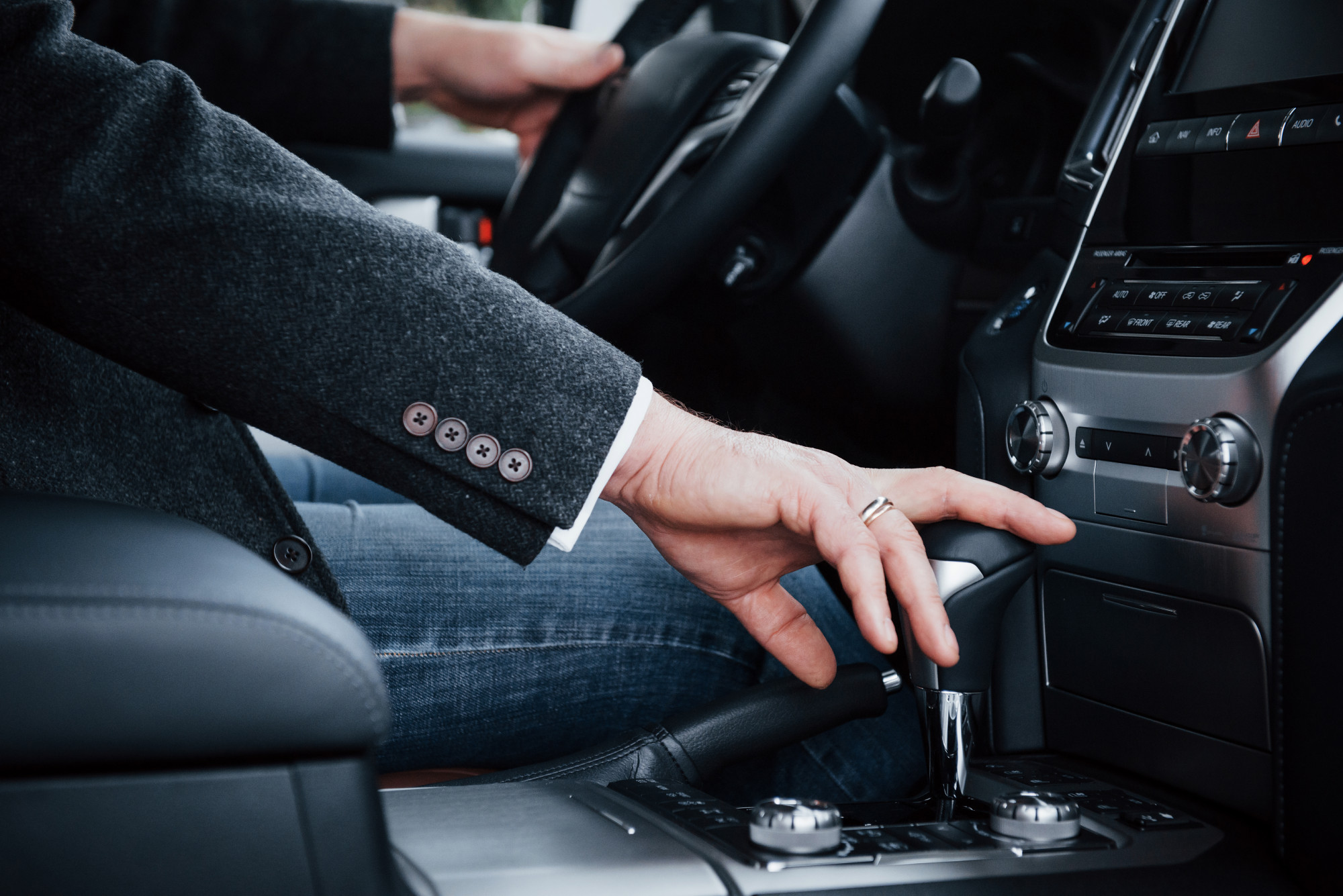
Choosing between manual and automatic transmissions remains one of the most important decisions when buying a car in India. The difference between a manual and automatic car affects everything from your daily driving experience to long-term ownership costs.
Market trends show a clear shift in consumer preferences. The share of automatic transmission in passenger vehicles has tripled in just five years, rising from 8-10% in 2018 to 27-29% by 2023, while manual systems still command the majority at 71-73% of total sales. This comprehensive guide explores the key differences to help you make an informed choice.
What Is a Manual Transmission?
A manual transmission involves direct driver control over gear changes through a clutch pedal and gear stick. Manual transmissions create a mechanical connection between the engine and wheels, requiring active driver participation in selecting the appropriate gear for different driving conditions.
How Manual Transmissions Work
Manual transmissions operate through a straightforward mechanical system where you control gear changes directly. The driver engages the clutch pedal with their left foot, disconnecting the engine from the transmission temporarily. At this time, you can shift gears using the gear stick, then release the clutch to re-engage the engine with the new gear ratio.
This direct mechanical connection provides immediate feedback about engine performance and road conditions. The system relies on synchronised gears that match speeds during shifting, ensuring smooth transitions when executed properly.
Clutch and Gear Shifting Basics
The clutch system forms the heart of manual vs automatic transmission differences. You use three main components: the clutch pedal, gear stick, and accelerator. Starting requires finding the clutch's biting point where the engine begins transferring power to the wheels.
Proper technique involves:
- Pressing the clutch fully before shifting
- Moving the gear stick to the desired position
- Gradually releasing the clutch while applying appropriate throttle
- Using the clutch only during gear changes, not for traffic control
Typical Manual Transmission Design
Most Indian cars feature five or six forward gears plus reverse. Entry-level vehicles like the Tata Nano offered four speeds, while premium models may include six forward gears for better highway efficiency.
The gear pattern typically follows an H-shaped layout, with first gear at top-left, second below it, third at top-center, fourth below third, and fifth at top-right. Sixth gear, when available, sits below fifth gear.
What Is an Automatic Transmission?
An automatic transmission eliminates manual gear changes through computer-controlled systems that select optimal gears based on speed, throttle position, and driving conditions. You simply use the brake and accelerator pedals while the transmission handles all gear changes automatically.
How Automatic Transmissions Work
Automatic transmissions use complex hydraulic systems and electronic controls to manage gear changes. The system monitors engine load, vehicle speed, and throttle position to determine the best gear ratio. This removes the need for clutch operation and manual gear selection.
The transmission automatically shifts up during acceleration and down during deceleration, maintaining optimal engine performance without driver intervention. Modern systems include multiple driving modes for different conditions like city traffic, highway cruising, or sporty driving.
Types of Automatic Transmissions (Torque Converter, CVT, DCT, Semi-Automatic)
India offers several automatic transmission types, each with distinct characteristics:
|
|
|
|
|
|---|---|---|---|
| AMT (Automated Manual) | ₹50,000 – ₹60,000 | Budget buyers | Most affordable, basic automation |
| CVT | ₹1,00,000 – ₹1,50,000 | Fuel efficiency | Smooth acceleration, excellent mileage |
| Torque Converter | ₹1,00,000 – ₹1,50,000 | Comfort driving | Refined performance, smooth operation |
| DCT | ₹1,00,000 – ₹1,50,000 | Performance enthusiasts | Quick shifts, sporty driving |
Disclaimer: Prices are indicative and subject to change. Please verify with the manufacturer/dealer.
Key Mechanical Components
Automatic transmissions contain sophisticated components including torque converters, planetary gear sets, hydraulic control systems, and electronic control units. These systems work together to provide seamless gear changes without driver input.
The torque converter replaces the manual clutch, using fluid coupling to transfer engine power. Electronic sensors continuously monitor driving conditions, adjusting shift points and timing for optimal performance.
Pros and Cons of Manual Cars
Manual transmissions offer distinct advantages and challenges that make them suitable for specific driving needs and preferences.
Advantages of Manual Transmission
Manual cars provide several compelling benefits:
- Lower Purchase Costs: Manual variants cost less than automatic versions
- Better Vehicle Control: Direct gear selection allows precise driving in various conditions
- Superior Fuel Efficiency: Traditional advantage in highway driving scenarios
- Cheaper Maintenance: Fewer complex components mean lower repair costs
- Theft Deterrence: Limited manual driving skills reduce theft risk
- Licensing Flexibility: Manual licenses permit driving both transmission types
Common Disadvantages and Challenges
Manual transmissions present certain difficulties:
- Traffic Fatigue: Continuous clutch operation becomes tiring in heavy traffic
- Learning Curve: New drivers face significant challenges mastering clutch control
- Hill Driving Complexity: Requires skill to prevent rolling backward on slopes
- Stalling Risk: Improper clutch technique can cause engine stalling
- Physical Effort: Left leg workout during extended city driving
Who Benefits Most From Manual Cars
Manual transmissions suit specific user groups particularly well:
- Budget‑conscious buyers prioritizing lower costs
- Rural and highway drivers appreciating direct control
- Driving enthusiasts seeking engagement and skill development
- Commercial vehicle operators requiring durability
- Drivers in areas with limited automatic service networks
Pros and Cons of Automatic Cars
Automatic transmissions offer convenience and ease of use, making them increasingly popular in urban Indian markets.
Advantages of Automatic Transmission
Automatic transmissions deliver notable benefits:
- Traffic Convenience: Eliminates clutch fatigue in stop‑and‑go conditions
- Easier Learning: New drivers master basics quickly without clutch coordination
- Hill Assistance: Automatic systems prevent rolling on inclines
- Safety Enhancement: Both hands remain free for steering control
- Reduced Stress: Simplified operation reduces driver fatigue
- Smooth Operation: Seamless gear changes improve comfort
Common Disadvantages and Challenges
Automatic systems have distinct drawbacks:
- Higher Purchase Price: Premium of ₹1–2 lakh over manual variants
- Increased Maintenance: Complex systems require specialised service
- Higher Insurance: More expensive repairs lead to costlier premiums
- Limited Control: Reduced driver input in specific situations
- Service Availability: Fewer qualified technicians in smaller cities
Who Benefits Most From Automatic Cars
Automatic transmissions work best for:
- Urban commuters facing heavy traffic daily
- Senior drivers preferring simplified operation
- New drivers building confidence gradually
- Physically challenged individuals with limited mobility
- Luxury car buyers prioritising comfort over cost
Performance, Fuel Efficiency, and Cost Comparison
The automatic vs manual transmission fuel efficiency debate has shifted significantly with technological advances. Modern automatic systems now match or exceed manual efficiency in many scenarios.
Fuel Economy Differences and Trends
Modern automatic variants often deliver better mileage than manual versions. The Wagon-R achieves 24.35kpl manual vs 25.19kpl automatic, Dzire delivers 24.79kpl manual vs 25.71kpl automatic, and Swift manages 24.80kpl manual vs 25.75kpl automatic.
The Maruti Suzuki Celerio exemplifies this trend, delivering 26.68 km/l for automatic and 25.24 km/l for manual transmission, challenging traditional assumptions about manual superiority.
Purchase Price and Maintenance Costs
Cost differences remain significant between transmission types. The price gap between manual and automatic cars reached ₹6,15,043 in 2023, with average prices being ₹9,82,926 for manual and ₹15,97,969 for automatic cars.
Maintenance costs favour manual transmissions due to simpler mechanical systems. Automatic repairs require specialised equipment and trained technicians, increasing service expenses throughout ownership.
Resale Value Considerations
Resale values depend heavily on market location. Manual cars maintain stronger resale value in rural areas due to widespread driving familiarity. Urban markets increasingly favour automatic vehicles, improving their resale prospects in metropolitan areas.
Data shows 60.9% of metropolitan buyers still choose manual cars, though this preference varies by vehicle segment and price range.
Disclaimer: Prices are indicative and subject to change. Please verify with the manufacturer/dealer.
Driving Experience and Ease of Use
The driving experience differs substantially between transmission types, affecting everything from learning requirements to daily usability in various traffic conditions.
|
|
|
|
|---|---|---|
| Learning Curve and Driver Engagement | • Manual transmissions
demand greater initial skill development. • This learning process typically requires several weeks of practice but develops superior overall driving skills. |
Automatic transmissions allow immediate driving capability with basic training. |
| Traffic and Urban Driving Considerations | Heavy traffic requires constant gear changes in manual cars, leading to left leg fatigue and increased driver stress. | Automatic systems eliminate this burden, maintaining smooth operation regardless of traffic density. |
| Control and Safety Aspects | • Manual transmissions
provide superior control in specific scenarios. • Engine braking assists descent control on hills. • Precise gear selection helps in challenging |
• Automatic systems enhance
safety by keeping both hands available for steering. • This proves particularly valuable during emergency manoeuvres or when navigating |
| conditions like snow or sand. | complex traffic situations. |
Additional Considerations
Several factors beyond basic operation influence transmission choice, including regional preferences, insurance implications, and specific use cases that favour one system over another.
|
|
|
|
|---|---|---|
| Availability and Geographic Preferences | Indian passenger vehicle sales remain dominated by manual transmission systems at 71-73% of sales, though this varies significantly by region and vehicle segment. | CRISIL projects automatic transmission share will increase to 40-45% by fiscal 2028, driven by urbanisation and increasing disposable income. |
| Transmission and Insurance Costs | Manual cars generally qualify for lower insurance rates, though the difference varies by insurer and specific vehicle model. | • Insurance premiums typically cost more for automatic vehicles due to higher purchase prices and repair costs. • The complex systems require specialised parts and trained technicians, increasing claim amounts. |
| Durability and Longevity | • Manual transmissions historically demonstrate superior reliability due to simpler mechanical systems. • Fewer electronic components mean reduced failure points and easier diagnosis when problems occur. |
• Automatic systems have improved significantly but remain more complex. • Modern units offer excellent reliability when properly maintained, though service requirements are more costly. |
| Special Scenarios: Hills, Performance Driving, and Sharing Cars | • Hill driving traditionally favors manual transmissions for better control and engine braking capabilities. • Performance driving benefits from manual control, allowing precise gear selection for optimal power delivery. |
• Modern automatics include hill-hold features and improved torque management that address these concerns effectively. • Sharing vehicles becomes easier with automatic systems since fewer people possess manual driving skills. |
Your Journey to Smart Car Protection
Whether you choose manual or automatic transmission, protecting your investment with comprehensive car insurance remains essential. Royal Sundaram's car insurance provides complete coverage for both transmission types, including third-party liabilities and own vehicle damages from accidents, theft, fire, and natural calamities.
Benefits of opting for Royal Sundaram Car Insurance:
- Comprehensive Coverage: Protection for all transmission types and vehicle components
- Nationwide Network: 7,600+ cashless garages across India
- Quick Claims: High claim settlement ratio with efficient processing
- Add‑on Options: Engine protection, zero depreciation, and round‑the‑clock assistance for emergencies
Frequently Asked Questions
Automatic cars are significantly easier to drive, especially for beginners. You only need to manage the brake, accelerator, and steering wheel, while the transmission handles gear changes automatically.
Modern automatic cars often achieve better fuel efficiency than manual variants. Recent data shows automatics delivering superior mileage in many popular models, reversing traditional assumptions.
Yes, manual cars cost ₹1-2 lakh less to purchase and have lower maintenance expenses.
Manual transmissions provide superior direct control and many driving enthusiasts prefer this direct mechanical connection for enhanced engagement.
Switching from automatic to manual requires learning clutch control and gear coordination. Most drivers need several weeks of practice to master manual operation confidently.
Yes, automatic cars typically have higher insurance premiums due to increased purchase costs and more expensive repair requirements compared to manual vehicles.
Automatic transmissions excel in city traffic, eliminating clutch fatigue and reducing driver stress during frequent stops and starts in congested conditions.
Manual cars are more durable than automatic cars as the ability to shift into the necessary gear makes it gentler on the vehicle overall.
The other transmission types besides the traditional torque converter transmission include Automated Manual Transmission (AMT), Continuously Variable Transmission (CVT), Dual-Clutch Transmission (DCT), and Intelligent Manual Transmission (iMT).
Yes, manual transmission is still relevant due to factors like cost, driver engagement, control in specific conditions, and many practical advantages.


Discover the perfect insurance plan for you!
Get your free quote now!
Get StartedBy Clicking on Get Started, You agree to our Terms and Conditions and override DNC/NDNC registration.
More like this
View more

.png)