You have been Successfully Subscribed to Newsletter


Power Petrol vs Normal Petrol: Which Fuel Is Better
Dec 1, 2025 • 10 Min Read
Table of Contents
- Introduction
- What Is Power Petrol?
- Advantages of Power Petrol for Your Engine
- When to Use Power Petrol?
- When to Use Normal Petrol?
- Difference Between Power Petrol & Normal Petrol
- Power Petrol or Normal?: Your Choice
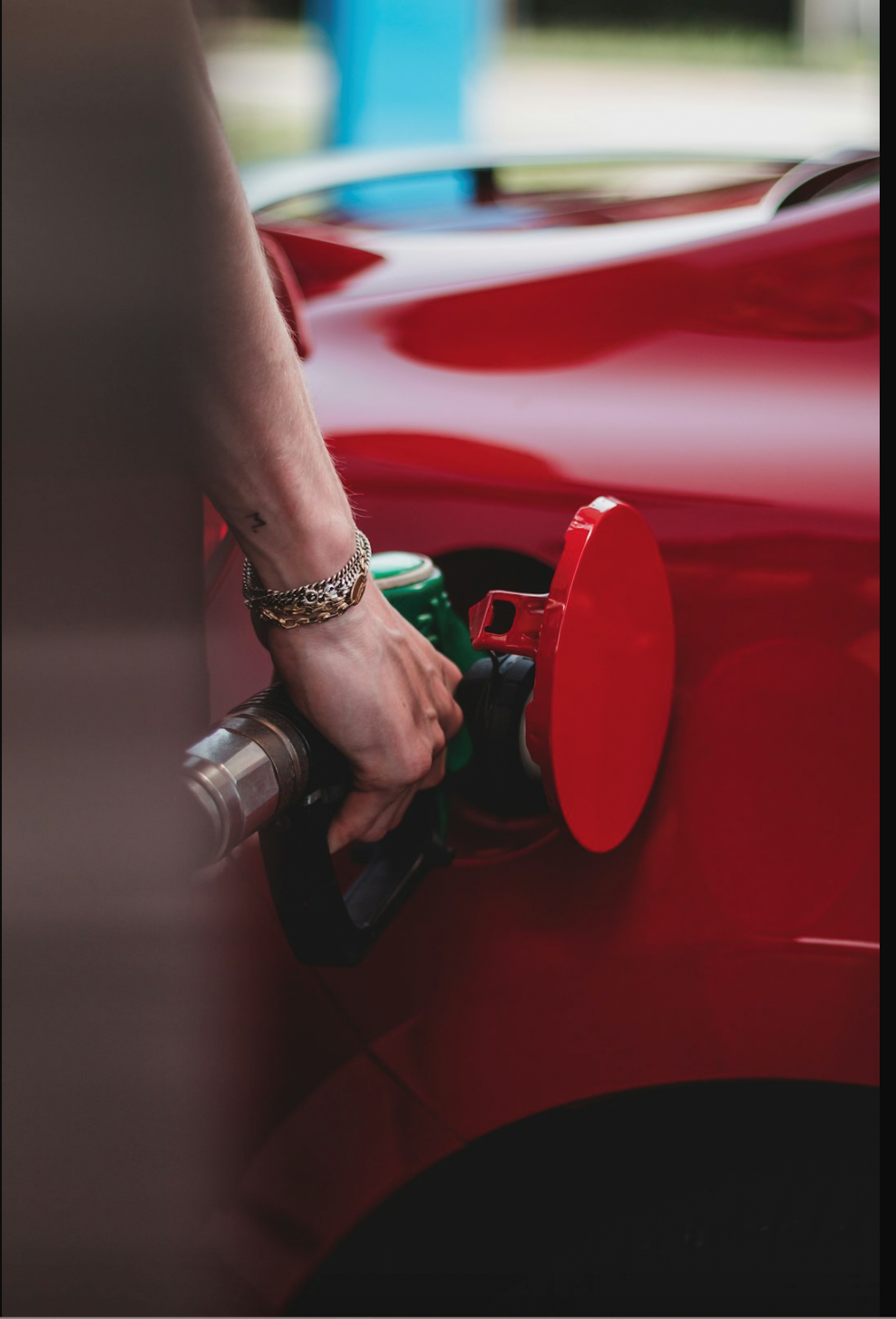
As a car owner, you’ve likely faced this dilemma at the fuel pump: choosing between regular petrol or the premium "power" variant? Although it may seem minor, the fuel you use can significantly affect your vehicle's performance, fuel efficiency, and engine life.
This article breaks down the differences between power petrol vs normal petrol to help you choose the fuel that best suits your car’s engine and driving conditions.
What is Power Petrol?
Power petrol is also called premium or high-octane petrol. It is a higher-grade fuel designed to optimize engine performance. It typically has an octane rating between 91 and 94, sometimes up to 97, depending on the brand.
- Octane rating measures a fuel’s resistance to engine knocking or premature ignition under high pressure.
- The higher the octane number, the better the fuel resists knocking—ideal for high-performance engines.
- Power petrol includes special additives and detergents that:
Keep the engine clean by reducing carbon buildup
Enable smoother combustion
Improve fuel efficiency
Advantages of Power Petrol for Your Engine
Using power petrol can benefit your engine, especially if you drive a high-performance or turbocharged vehicle.
- Improved engine performance
o Enables higher compression ratios
o Unlocks more power and torque for better acceleration
- Reduced engine knocking
o The higher octane rating helps prevent knocking
o Protects engine components and extends lifespan
- Better fuel efficiency
o Enhanced combustion can lead to slightly better mileage
o May reduce fuel costs over time in suitable engines
- Cleaner engine
o Additives reduce carbon deposits on intake valves and fuel injectors
o Promotes smoother operation and cleaner combustion
When to Use Power Petrol?
While power petrol offers several advantages, it's not always the best choice for every vehicle. Here's when you should consider when using power petrol:
- If your vehicle has a high-compression engine, such as sports cars, luxury vehicles, or turbocharged engines.
- If your vehicle's manual specifically recommends or requires high-octane fuel.
- If you experience engine knocking or want to maintain peak engine performance.
- If you seek better fuel economy and reduced emissions, especially for long-distance driving.
When to Use Normal Petrol?
For many standard vehicles, regular petrol with an octane rating of 87 to 91 is sufficient. You should stick to normal petrol if:
- Your vehicle is designed for regular petrol with lower octane requirements.
- You drive a standard car or bike with a conventional engine.
- You are budget-conscious and want a cost-effective fuel option.
- Your vehicle manual specifies normal petrol, as using power petrol may not provide noticeable benefits.
No matter which fuel you choose, protecting your vehicle with the right insurance is key. Royal Sundaram Car Insurance offers reliable, flexible, and affordable coverage options designed to suit your driving habits and vehicle needs.
Difference Between Power Petrol & Normal Petrol
Here's a quick comparison of the key differences between power petrol and normal petrol:
| Octane Number | 87–91 | 91–93 |
| Compatibility | All cars with low-compression engines | Cars with high compression engines |
| Knocking Risk | Higher | Lower |
| Fuel Cost | Cheaper | More expensive |
| Additives | No | Yes, including detergents |
Power Petrol or Normal: Your Choice
When it comes to the debate between power petrol vs normal petrol, the right choice depends on your vehicle's requirements and your driving needs. Regardless of which fuel you choose, safeguarding your vehicle with a comprehensive car insurance policy is crucial. Royal Sundaram Vehicle Insurance offers flexible and affordable insurance solutions tailored to your needs.
By understanding the specific advantages of power petrol, you can make an informed decision that balances your car's performance, longevity, and your budget. Always consult your vehicle's manual and follow the manufacturer's recommendations for optimal results.


Discover the perfect insurance plan for you!
Get your free quote now!
Get StartedBy Clicking on Get Started, You agree to our Terms and Conditions and override DNC/NDNC registration.
More like this
View more