
You have been Successfully Subscribed to Newsletter


Different Types of Suspension Systems in Indian Cars
Nov 28, 2025 • 10 Min Read
Table of Contents
- What Is a Car Suspension System?
- What Are the Types of Car Suspension?
- How Does a Car Suspension Work?
- What Are the Parts of Car Suspension?
- Smooth Rides Need Smarter Protection
If you have ever bounced over a Mumbai pothole or glided down the smooth tarmac of the Delhi-Meerut Expressway, you’ve felt the invisible magic of your car’s suspension. Underneath the bodywork sits a network of springs, dampers, and arms that decide whether your chai survives the speed breaker in one piece.
In this post, we’ll get your car suspension types explained, dig into the most popular types of suspension systems found on Indian roads, and show you how the right setup keeps you safe, comfortable, and in control. While you’re learning the mechanics, remember that ultimate peace of mind also comes from comprehensive coverage such as Royal Sundaram’s car insurance, which ties your shiny suspension to even smoother claim support.
What is a Car Suspension System?
Think of suspension as your car’s musculoskeletal system. Springs soak up bumps (like muscles absorbing impact), dampers calm the rebound (ligaments stabilizing joints), and control arms guide the wheels so they don’t try to move off in different directions. The result? A stable tyre contact patch, predictable steering, and a cabin that doesn’t feel like a pogo stick every time you spot an unpainted speed hump.
What Are the Types of Car Suspension?
In India, you’ll find eight mainstream designs. Each type of car suspension system balances price, comfort, and durability differently, so manufacturers mix and match front and rear layouts to suit everything from the humble Alto to the plush Mercedes S-Class. Let’s tour them one by one.
1. Leaf Spring Suspension
Notice those long stacks of curved steel strips you see on pickup trucks are leaf springs? They’re cheap, robust, and can carry farm-fresh mangoes by the quintal. Hence, their popularity is on mini-trucks like the Tata Ace.
- Pros:Huge load capacity, low maintenance
- Cons:Stiff ride when the vehicle is unladen, heavy
2. Trailing Arm Suspension
A trailing arm pivots from the chassis and trails the wheel behind it. Rear-engined city cars such as the Tata Nano use this layout to keep costs low while still carving through tight gullies.
- Pros:Compact, easy packaging for small cars
- Cons:Limited camber control during hard cornering
3. Non-Independent Suspension
Also called a torsion beam or solid axle, this design links both wheels with a rigid bar so they rise and fall together. Almost every hatchback below ₹20 lakh, from the Alto to the VW Virtus, relies on it at the rear because it’s cheap, light, and frees up boot space.
- Pros:Space-efficient, inexpensive
- Cons:Rougher ride over uneven surfaces, less grip in fast corners
4. Independent Suspension
Here, each wheel moves separately, improving comfort and handling. The types of vehicle suspension that follow (double wishbone, MacPherson, multi-link, and air) are all flavours of the independent theme.
- Pros:Better grip on rough roads, smoother ride, improved cornering stability
- Cons:More expensive to repair, complex layout, takes up more space
5. Double Wishbone Suspension
Picture two stacked wishbones hugging the wheel; they keep the tyre angle optimal throughout the spring travel. SUVs like the Toyota Fortuner use a double-wishbone front end to stay stable on rocky trails while towing jet skis to Goa.
- Pros:Precise wheel control, excellent off-road articulation
- Cons:Costlier, takes up engine-bay room
6. MacPherson Strut Suspension
This is the rock star of Indian front axles—simple, light, and cheap. A single strut doubles as a damper and steering pivot, which is why you’ll find a MacPherson up front on everything from the Swift to the Creta.
- Pros:Low parts count, ample engine-bay space
- Cons:Limited negative camber in sharp bends, less sophisticated than double wishbone
7. Air Suspension
Swap steel coils for air-filled rubber bellows and add a compressor. And then you can raise the body for speed breakers or hunker down for high-speed poise. Mercedes' AIRMATIC system on the S-Class is the benchmark, even in India’s VIP fleets.
- Pros:Height adjustability, limousine-smooth ride
- Cons:Expensive to buy and repair, needs a clean air supply
8. Multi-Link Suspension
Luxury brands often bolt five or more separate arms to each wheel, juggling comfort and cornering better than any other setup. Most BMW, Audi, and Mercedes models sold here run multi-links at the rear.
- Pros:Finest balance of ride and handling, tunable geometry
- Cons:Complex, pricey spares
How Does a Car Suspension Work?
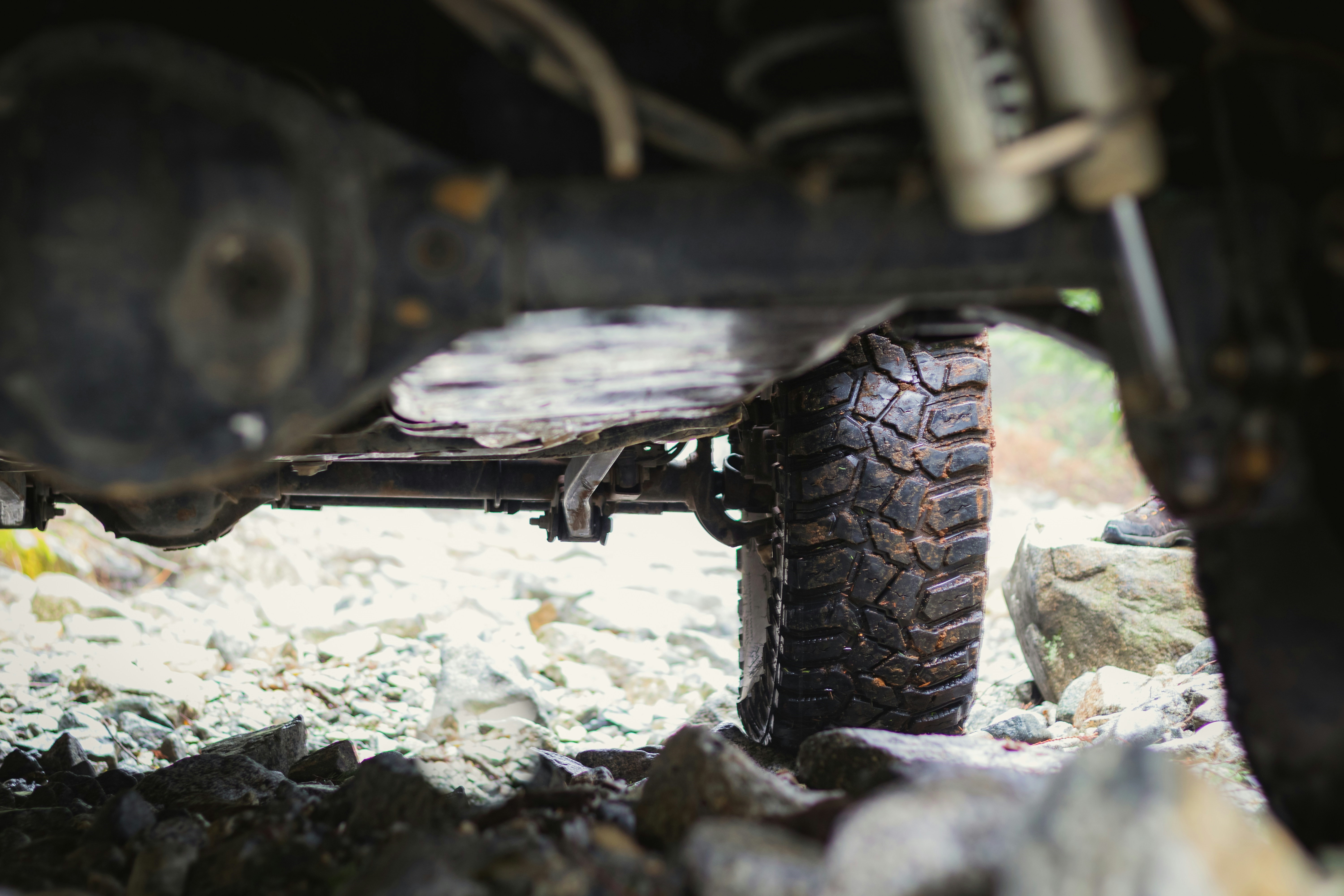
When you clatter over a pothole, the wheel jumps up. The spring compresses, storing energy; the damper (shock absorber) then converts that energy to heat so the body stops bouncing. Bushings isolate minor vibrations, while anti-roll bars link left and right wheels to curb body roll in corners. In essence, the suspension lets tyres follow the road while bodywork follows you, not every bump.
What Are the Parts of Car Suspension?
Understanding these bits makes comparing types of suspension systems far easier and helps your mechanic when that mysterious “clunk” appears.
- Springs:coil, leaf, torsion bar, or air bellows
- Dampers (Shock-Absorbers):hydraulic or gas-charged
- Control Arms/Wishbones:guide vertical motion
- Ball Joints & Bushings:pivot points cushioned by rubber
- Anti-Roll (Stabiliser) Bars:resist excessive lean
- Subframe & Mounts:bolt the entire system to the chassis
- Compressors & Height Sensors (air systems):monitor and adjust ride level
Smooth Rides Need Smarter Protection
From leaf springs that haul onions to multi-links that let an S-Class surf Indian highways, the types of suspension systems you’ve just learned about play a starring role in every kilometre you drive. Knowing whether your car carries a budget torsion beam or a plush air setup empowers you to diagnose noises, choose upgrades, and even brag about your vehicle-dynamics IQ.
Yet no matter how advanced the type of car suspension system under your seat, life throws surprises: monsoon-filled potholes, stray cattle, or an over-enthusiastic auto-rickshaw. Shield your wallet and wheels alike with Royal Sundaram’s car insurance so that unforeseen bumps stay purely suspension matters.


Discover the perfect insurance plan for you!
Get your free quote now!
Get StartedBy Clicking on Get Started, You agree to our Terms and Conditions and override DNC/NDNC registration.
More like this
View more


.png)