You have been Successfully Subscribed to Newsletter


How New GST Rates Impact Two-Wheeler Insurance Premiums in India
Feb 16, 2026 • 10 Min Read
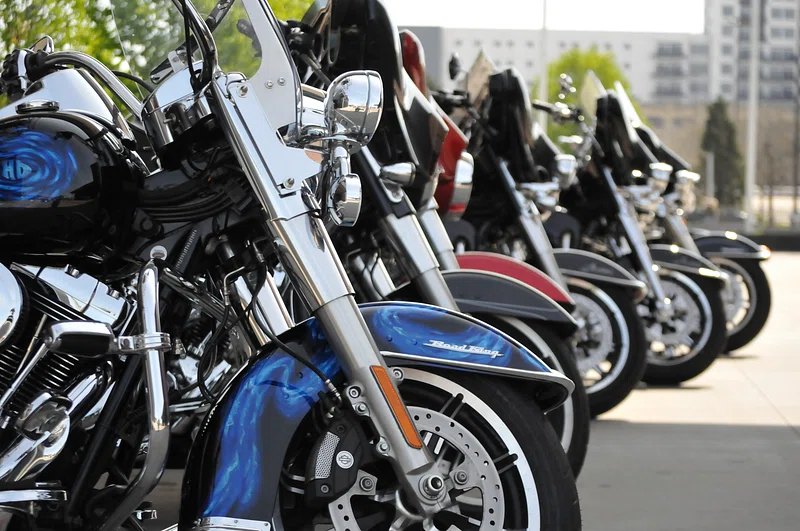
The Indian government’s recent Goods and Services Tax (GST) reforms, effective from September 22, 2025, have brought about significant changes in the taxation structure, particularly affecting the automobile sector. One of the most notable adjustments is the reduction in GST rates for two-wheelers with engine capacities up to 350cc, which has implications for various stakeholders, including vehicle buyers and insurance policyholders.
Prior to the reforms, two-wheelers with engine capacities up to 350cc attracted a GST rate of 28%. However, with the new tax structure, this rate has been reduced to 18%. This change is part of the government's broader initiative to make two-wheelers more affordable and accessible, especially for youth, professionals, and lower-middle-class households who rely on motorcycles and scooters for daily commuting and livelihood activities.
Impact on Vehicle Purchase Prices
The reduction in GST directly affects the ex-showroom prices of two-wheelers. For example, a motorcycle priced at ₹1,00,000 before the GST cut would earlier cost ₹1,28,000 with the old tax rate. Under the new 18% GST, it now costs ₹1,18,000, resulting in a ₹10,000 saving for the buyer. This price reduction is expected to stimulate demand in the two-wheeler market, making vehicles more affordable for a larger segment of the population.
While the GST reforms do not directly alter the GST rate on insurance premiums, they have an indirect impact. Insurance premiums for two-wheelers are primarily determined based on the Insured Declared Value (IDV), which reflects the market value of the vehicle. With the reduction in vehicle prices, the IDV decreases accordingly, leading to a lower premium amount.

For example, if the ex-showroom price of a two-wheeler is ₹1,50,000 before the GST reduction, the on-road price with the old 28% GST rate would come to ₹1,92,000. After the GST cut to 18%, the new on-road price becomes ₹1,77,000, giving the buyer a saving of ₹15,000.
Since the Insured Declared Value (IDV) of a vehicle is typically based on its ex-showroom price, this reduction in price means the IDV would also decrease in proportion. A lower IDV directly translates to a lower insurance premium, as the premium is calculated as a percentage of the declared value. Overall, this mechanism benefits buyers by providing dual savings, both at the point of sale and over the course of ownership through reduced annual insurance costs.
Broader Implications for the Insurance Sector
The reduction in vehicle prices due to GST reforms is expected to have a ripple effect on the insurance industry. Lower premiums may lead to increased affordability and accessibility of insurance for a broader range of consumers. Additionally, as more individuals purchase two-wheelers, the overall insurance penetration in the country is likely to rise, contributing to the growth of the insurance sector.
However, it's important to note that while the reduction in GST has led to lower vehicle prices and, consequently, lower insurance premiums, the GST rate on insurance premiums remains at 18%. This rate has not been altered by the recent reforms, and any future changes would depend on separate policy decisions by the government.
For more information on two-wheeler insurance options and to get a personalized quote, visit Royal Sundaram. They are committed to offering comprehensive coverage solutions tailored to your needs, ensuring peace of mind on every ride.


Discover the perfect insurance plan for you!
Get your free quote now!
Get StartedBy Clicking on Get Started, You agree to our Terms and Conditions and override DNC/NDNC registration.
More like this
View more